Abstract
Printmaking blends artistic creativity with scientific technique, but traditional intaglio relies on hazardous chemicals that threaten human health and the environment. This research examines the chemical reactions, safety risks, and long-term health effects of substances used in intaglio practice, highlighting the need for safer, scientifically informed artistic methods. The research is mixed-method based, employing laboratory studies, field data and questioners from practitioners of printmaking (n=115) from different countries. The paper uncovers that one of the greatest concerns in printmaking studios is exposure to these chemicals, the safety in which is frequently poorly adhered to. This study analyzed the chemical reactions those are happened during intaglio printmaking process and explore the threats and effects of Nitric Acid (HNO3), Phosphoric Acid (H3PO4), Ferric Chloride (FeCl3), and Copper Sulfate (CuSO4.5H2O) and the supplementary components on human health of these chemicals. Meanwhile, survey data with participants’ opinions are also mentioned here, where large numbers of participants agree with the hazardous health issues and widely support this content. The study further proposes mitigation approaches, including the adoption of less toxic substitutes, improved ventilation systems, use of personal protective equipment (PPE), and raised awareness through safety training. By addressing these concerns, the research aims to endorse safer and more sustainable printmaking practices. This study examined chemical exposure and associated health toxicity among practitioners of intaglio printmaking, integrating occupational exposure data, reported health outcomes, and workplace observations to assess risk.
Keywords
Printmaking, Intaglio, Toxicity, Health, Mitigation
1. Introduction
Printmaking constitutes an artistic process which requires scientific comprehension and artistic creativity together with technical expertise. Printmaking is behavioral in the way of chemical and environmental science. Intaglio printmaking is a conventional art technique, which uses a range of chemicals, such as Nitric Acid (HNO3), Phosphoric Acid (H3PO4), Muriatic Acid (HCl), Ferric Chloride (FeCl3), and Copper Sulfate (CuSO4.5H2O) to obtain the desired effect of depth and tonality. Nevertheless, these chemicals are very dangerous to human health causing breathing weaknesses as well as skin diseases and neural damage as a result of prolonged contact. This research paper looks into the health threat of these chemicals used in the traditional intaglio printmaking, looking at how they react on different surfaces.
A significant proportion of the printmaking chemicals are hazardous and toxic (such as nitric acid and solvents) due to their harmful nature on the environment. This type of collaboration is useful in pushing the printmakers to perfect their techniques, and create images which are both visually stunning and scientifically precise. And there are the chemical processes that make possible the intricately embroidered designs, yet the processes are dangerous to the human beings who are practicing them.
This study seeks to identify the chemical reactions involved in the intaglio process, evaluate potential safety concerns, and examine in depth the hazardous materials used in intaglio printmaking along with their long-term health effects and its mitigation.
Intaglio contains several artistic mediums such as etching aquatint, dry point, engraving and so on. Etching and aquatint is considered the most chemical usable mediums in intaglio. The etching of metal with the use of acidic mordant is founded in the chemistry of intaglio printmaking. The classical method of etching is used when a solution of nitric acid (HNO3) is used in which plates of zinc or copper are oxidized, forming nitrates of both materials and nitrogen dioxide (NO2) a highly poisonous gas that has proven to cause millions of deaths in the world annually.
A variation of the etching technique called aquatint is used to produce tonal effects instead of lines. After applying powdered resin to the metal plate, it is heated to cause the resin to stick to it. The rosin particles on the plate are bitten by the acid when it is submerged in an acid bath, producing a rough surface that retains ink. This enables the artist to produce a variety of tones, akin to watercolor effects, from light washes to deep shadows. In order to give prints depth and richness, aquatint is frequently combined with line etching
| [1] | R. M. Hoisington, Aquatint: From Its Origins to Goya, United Kingdom: Princeton University Pres, 2021. |
[1]
.
2. Literature Review
Intaglio printmaking uses the most traditional chemicals, which involve both acute and chronic health hazards. As to these hazards, they are well known and documented, but have been historically set aside in their focus towards artistic content. Etching processes depend on using nitric acid which is very corrosive and can severely damage the respiratory tract, skin and eyes if the worker inhales or has contact with it. Prolonged exposure to nitric acid vapors has also been shown to cause serious health conditions like chronic bronchitis, enamel erosion and pulmonary edema. Similarly, rosin (colophony) used in aquatinting techniques gives of fine dust particles when heated. When an individual inhales these particles, they can lead to issues with respiratory disease– asthma, allergic sensitivity, “printmaker’s lung”
| [2] | M. M. A. R. B. David Hinkamp, "Occupational Health and Visual Arts: An Introdcution," Journal of oppupasional and environmental medcine, vol. 59, no. 9, pp. 859-866, 2017. |
[2]
.
The absence of appropriate protective measures in numerous printmaking studios exacerbates these risks. Use of these solvents to clean plates and instruments involves other hazards (such as in solvents such as toluene and xylene). They are neurotoxic and produce symptoms on exposure such as vertigo, headaches, disorientation immediately. In cases linked to longer term exposures, where more severe damage has been seen such as central nervous system (CNS) Red Cross and Red Crescent Societies (IFRC) impairment, there is an increased association (increased correlation in the experimental data). This variety of substances found in the mixture for the print, according to a Eugenija study, include such as copper, aluminum, zinc, organic and inorganic acids, pigments, oils, organic solvents, alkali, hydrofluoric acid, nitric acid, hydrochloric acid, anti-skinning agents, reducers, thinners, tack reducers, stiffeners, stabilizers, surface agents, and dryers. Lead or magnesium is included in some dryers
| [3] | E. N. S. E. N. S. J. M. J. M. Eugenija Zuskin, "Occupational health hazards of artitis," Acta dermatovenerological Croatica, vol. 15, no. 3, pp. 167-177, 2007. |
[3]
.
According to such a research conducted in Moscow: Russian women in the printing industry have higher risk to get melanoma, bladder and upper gastrointestinal tract malignancies. With years and years of rich artistic tradition, intaglio printmaking has always been linked with far reaching use of toxic compounds as a fairly big cause of several health issues. With time, artists, educators and healthcare professionals have begun to express their anxiety about the possible risks of these substances. The very corrosive chemicals used in Intaglio and lithography print include nitric acid, sulfuric acid and phosphoric acid that are all dangerous pollutants for populations around them, that is, respiratory system, the skin and the eyes. Bibiana Crespo points out that, as with etching zinc plates, ‘Nitric acid is an aggressive fluid that is harmful to skin, eyes and mucous membranes’. Contact can also cause a yellow stain of the epidermis, corneal ulcers, and tissue injury, visual impairment, or loss of vision permanently. The dangers artist and students faced with them became manifest from the beginning. It is not the only way through which chemical health hazards may be introduced to the printmaking process.
Nitric acid is well documented to be a health hazard, and whereas Kalyani and Gupta (2023) studied that 85% of the printmaking program in India still use this acid. Most of the times, this persistence is attributed to lack of institutional support required to shift to safer methods and unwillingness to change the existing norms because of broader cultural resistance. A cultural shift would need to be sought that overcomes this resistance and which demonstrates the health and safety of artists and the health and safety of artistic tradition, as well as artistic tradition
| [4] | P. K. G. Ashwini R Kalyani, "COGNIZING NON-TOXIC PRACTICES IN THE PRINT PROCESSES: A STUDY OF VARANASI," Shodhkosh: Jounal of Visual and Performing Arts, vol. 4, no. 1, 2023. |
[4]
.
Other hazardous to health materials are those with benzoic and cinnamic acids that constitute rosin dust. The composition of resins is quite varied in Ralph Mayer’s The Artist’s Handbook of Materials and Techniques. As a rule, rosin consists principally of abietic acid and rosenie; acids also occur usually classed as balsams and a few of the "gum resins," as benzoic and cinnamic. Here, it implies that, even in materials that would not be thought dangerous, hazardous substances were still commonly used in the traditional printmaking methods
| [5] | B. CrespoMartin, " Health and safety risks associated with handling products used in painting, drawing and printmaking," in HEALTH AND SAFETY RELATED TO PRODUCTS USED IN PAINTING, DRAWING AND PRINTMAKING, 2012. |
[5]
.
In its definition of hazard, the International Federation of Red Cross and Red Crescent Societies (IFRC) considers that a hazard is any dangerous phenomenon, substance, human activity or condition that may cause or is likely to cause damage to life, people or other forms of property or damage the environment. This definition is especially applicable to printmaking since the often use of such substances that cause both acute and chronic health problems. For instance, respiratory diseases are recognized for people who spend a lot of time in the place of work where nitric acid vapors are found, or people can burn their skin contacted with sulfuric acid
| [6] | IFRC, "What is Hazard?", 2020. |
[6]
.
Finally, these hazards are compounded by the fact that a large population of printmakers, especially in developing countries, use unsafe practice and are unaware of the associated risks. These exposures add up to the occupational hazards faced by printmakers, in particular, in a historical and traditional context when safety protocols were scarce. Finally, case studies give strong support for the hazards of health found in printmaking that are inherent in the practice itself or otherwise obvious when inappropriate safety measures are employed where printmaking arises, such as studio situations
| [7] | R. Mayer, The Artist's Handbook of Materials and Techniques, Viking Press, 1991. |
[7]
.
Environmental misinformation impedes the process of sustainable replacement of harmful substances in use, thereby lengthening the use of hazardous substances. Elimination of currently incorrect information about safety procedures will lead to a foundation for a protective printmaking framework and procedure. Research experts will teach printmaking professionals worldwide the correct information about traditional printmaking methods in reference to present safety standards to protect them with safety protection.
Extending the total safety potential within printmaking studios is as much related to academic and field of practice issues as to aberrant production materials and methods which printmaking studios were unwilling to adopt, which in turn affects the total safety potential for their workplaces. The difficulty of printmakers to adapt safer manufacturing techniques for the product updates is partly due to the priority they give to the artistic quality of their work. As evidenced by their opinion, according to Baldwin, professional artists opt for ferric chloride as its substitute to acids that prove harmful, but it fails to produce the same line definition achieved with traditional techniques. The design of the artistic community uses their traditional methods but also questions the possibility of modern technical approaches to negatively impact their artistic elements of historic art. The reason traditional printmaking techniques have endured to the current time is that people still engage in the usage of hazardous materials in printmaking.
Although these values bring forward protective safety standards and traditional methods, the modern cultural value structure makes it hard for safe printmaking operations. In this technique, while public tutorial development and dangerous substance substitution must occur without delay, intaglio printmakers’ experts believe that the immediate outlook is rosy. Despite the fact that most initiatives have been implemented by developed nations in a bid to cease the practice of these traditional risky procedures in all regions, it has not emerged that times have fully changed as some regions are still continuing with the same procedures. This is an opportunity for printmakers to hold to their environmental, student and artist shoulders to use safer print materials than hazardous poisonous substances. This initiatives success is enabled by completing the research objective which provides both operational strategies to decreasing traditional intaglio printmaking hazards as well as identifying potential risks
| [8] | A. Baldwin, ""The BIG Journey: The Evolution of a Non-toxic Printmaking Process," IMPACT Printmaking Journal, pp. 9-9, 2024. |
[8]
.
The printmaking sector is operating in academic and cultural activities with chemicals dependency on operation needs. For operations, printmaking compounds are not sufficiently covered in terms of the safety hazards that may arise when used, and academic research fields fail to provide with information. Research that involves health hazards and safety procedures evaluation allows me to understand about chemical usage in printmaking. All possible risks are revealed by the investigative assessment in order to develop any safe evidence-based safety procedures which might be present.
3. Materials and Methods
3.1. Study Design
It is mixed-method research consisting of qualitative and quantitative studies to explore the health hazards of the chemical processes of intaglio printmaking. The study takes place in three key directions:
3.1.1. Experimental Study
Experimental studies were conducted in the laboratory to test chemical reactions and risk factor content of material used in the intaglio printmaking process. During this exercise, several potential negative health impacts regarding the chemicals were identified by these tests.
3.1.2. Action Research
This approach was carried out directly in partnership with the printmaking artists and institutions on the ways of administering and assessing the practices of safety. These stakeholders gave comments that were reflected in altering safety interventions to be applied in the field.
3.1.3. Analytical Research
A meta-analysis of chemical safety practice and health outcome was carried out. This involved a global comparison analysis alongside a deduction of what is deficient in the present safety policies and procedures.
3.2. Data Collection
The information on this study was gathered both through the primary and secondary.
3.2.1. Survey
The survey on the sample (n=115) within printmakers and art students from Bangladesh, India, China, Italy, Mexico, USA, UK, Thailand, Canada and Belgium were approached to fill in an online questionnaire.
3.2.2. Questionnaire Design
The quantitative questions were 35 in number, intending to draw information regarding the chemical safety practices and the health issues. A series of questions were posed to the respondents with a 5-pointlikert scale, with the possible responses being strongly agree to strongly disagree, which allowed conducting perceptual and behavioral analysis on safety.
3.3. Data Analysis
The data analysis involved a qualitative and quantitative analysis.
3.3.1. Quantitative Data Analysis
The statistical analysis was conducted using SPSS (Statistical Package of the Social Sciences), which gives access to both descriptive and inferential analysis (frequency distributions, mean and standard deviation).
3.3.2. Statistical Methods
Survey summarization was performed by statistical analysis, and inferential statistics to locate patterns and correlations of chemical exposure and health outcomes.
3.4. Survey Analysis
3.4.1. Chemical Risk in Intaglio
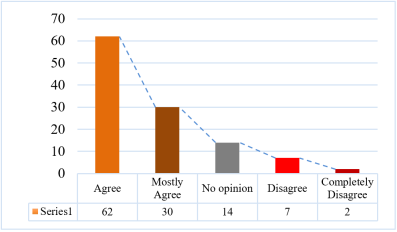
This table of survey (participant, n=115 different part of the globe) presents the observation of the health problems due to exposure of chemicals in intaglio printmaking, both mild and severe.
Figure 1. Chemical Risk in Intaglio.
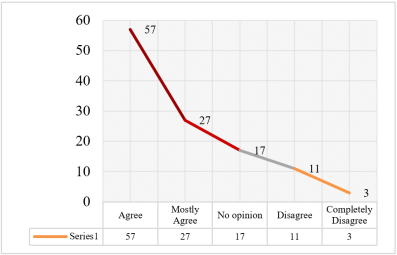
Figure 2. Minor and Serious Chemical Related Health Issues.
3.4.2. Minor and Serious Chemical Related Health Issues
The following graph shows the survey result of chemical and related health influences, which include minor and severe problems related to dealing with chemicals, and experiences of skin irritation, migraine, respiratory issues, nausea, vomiting, such as asthma like symptoms, diarrhea, and shortness of breath caused by chemical exposure in intaglio printmaking.
4. Results
4.1. Basic Chemical Reactions in Printmaking (Chemical Reaction on Zinc Plates)
Concentrated nitric acid (HNO3) diluted with water is very corrosive but still has the potent oxidizing agent properties. When a zinc (Zn) plate is added and there is a redox reaction in this diluted nitric acid. Reaction between zinc and nitric acid can be used in this process to produce zinc nitrate [Zn(NO3)2] and hydrogen gas (H2). The following response can be given:
It is put more simply as when zinc is added to diluted nitric acid it becomes zinc nitrate and hydrogen gas is released. Zinc is a particular player in the reaction, but the biggest effect comes from nitric acid concentration.
4.2. Chemical Reaction on Copper Plates
When nitric acid (HNO3) is mixed with water, the concentration of the acid subsequently lowers. A copper plate in this diluted nitric acid will cause a chemical reaction. Per this process, the hydrogen of the nitric acid is replaced by Cu to create copper nitrate [Cu(NO3)2] and release of hydrogen emitter (H2). As the reaction occurs in an open container, the gas escapes into the atmosphere; the hydrogen.
The reaction can be written as:
Finally, when copper is combined with diluted nitric acid, hydrogen gas and copper nitrate are formed. This reaction however depends on the amount of additive present, although nitric acid plays a more important part in controlling the rate of this reaction.
4.3. Chemical Reaction on Aluminum Plates
A reaction occurs when aluminum (Al) plate in a solution of copper sulfate (CuSO4) where the aluminum pulls the copper out of the solution. This is because aluminum is more reactive than copper. In the presence of copper metal (Cu), aluminum sulfate [Al2(SO4)3] is formed as a result and the copper metal is deposited as a solid.
The chemical reaction is represented as:
This reaction is between aluminum and copper sulfate and produces solid copper and aluminum sulfate. Finally, aluminum reacts with copper sulfate in the presence of water and aluminum sulfate is made and copper is deposited as a solid. The test responds in two ways: the reaction rate shows how fast the aluminum dissolves and the copper builds up.
5. Discussion
Within this paradigm, the intaglio printmaking process provides a sequence of interdependent, multifaceted and consequential chemical reactions, all of which ultimately impact the relative well-being of the people who engage in printmaking.
5.1. Nitric Acid
The main organization carrying out nitric acid health hazard research is National Institute for Occupational Safety and Health (NIOSH). NIOSH studies in 2008 have demonstrated that nitric acid is a very corrosive and the ability to cause serious irritations of skin, eyes and mucous membranes. As per NIOSH, Nitric acid is a corrosive compound and when contacted it can cause chemical blight to the skin and eyes. The burns cause the skin and tissue to be greatly damaged and can be permanent scarring. Widespread tissue necrosis caused by denaturing of proteins and damage of cellular membranes is proposed as the cause of these reactions with nitric acid
| [9] | "National Institute for Occupational Safety and Health," 1990. [Online]. |
[9]
.
5.2. Copper Sulfate
The chemical is commonly used for etching aluminum plates in the intaglio printmaking. However, this is very useful for etching, but on the other hand it is very hazardous on health and must therefore be well controlled. The research that has been done on this subject is the main focus of the literature review which includes the treatment of health and safety of the effects of this copper (II) sulfate on human health
| [10] | a. L. I. Alfred Dorsey, "Toxicological profile for copper," 2004. [Online]. |
[10]
.
5.3. Ferric Chloride
Ferric chloride (FeCl
3) or more accurately, iron (III) chloride) is a chemical compound that is typically employed to etch intaglio plates, during the printmaking. It is one of the major mechanisms of the respiratory toxicity of ferric chloride due to the production of ROS. This occurs when ROS production exceeds the body’s capacity to detoxify reactive intermediaries or return them in reducing conditions and we are exposed to oxidative stress. The liberated iron ions (Fe
3+) from ferric chloride can cause tissue injury by increasing ROS generation and thus increase production of oxidative stress
| [11] | V. E. R. J L Perkins, "Occupational health priorities for health standards: the current NIOSH approach," American Journal of Public Health, pp. 444-448, 1979. |
[11]
.
5.4. Rosin Dust
Rosin dust the vital and basic component of intaglio medium. Colophony (rosin) is classified as uniformly class 1 skin sensitizer. The EUH208 label “Contains rosin; colophony” is required for products with a rosin content of 0.1% or greater. A safety data sheet is mandatory to the degree that it may produce an allergic reaction. Products containing rosin at 1% or more must be classified and marked as ‘H317: may cause an allergic skin reaction
| [12] | A.-T. L. H. Karlberg, "Colophony: Rosin in unmodified and modified form," Kanerva’s occupational dermatology, pp. 607-624, 2020. |
[12]
.
When the lung is infiltrated with the minutest dust particles of rosin, the body’s innate defenses may not be able to adequately remove these particles. Eventually, these may lead to the formation of such fibrotic tissues or granulomas that may interfere with lung function or give rise to chronic respiratory diseases
| [13] | N. A. Parisa Dehghan, "The National Institute for Occupational Safety and Health (NIOSH) recommended Weight generates different spine loads in load-handling activity performed using Stoop, semi-squat and full-squat techniques; a full-body Musculoskeletal Model Study," Human Factors 66.5, pp. 1387-1398, 2024. |
[13]
.
Table 1. Effect of Chemical Exposure on Health.
Chemicals | Health hazards | Medical Terminologies | Signs and symptoms |
Nitric acid (HNO3) | Severe burns to the skin, damage to the eyes | Ocular corrosion, and chronic obstructive pulmonary disease (COPD) | Breathing problems, blistering, ripping, and extreme pain |
CuSO4 (Copper sulfate) | Liver damage, respiratory problems, and skin and eye difficulty | Chemical conjunctivitis, contact dermatitis, and hepatotoxicity | Abdominal discomfort, redness, tearing, and itching |
FeCl3 (Ferric chloride) | Burns to the skin, harm to the eyes, and respiratory irritation | Chemical conjunctivitis, respiratory irritation, and contact dermatitis | respiratory pain, tearing, and redness |
Rosin Dust | Lung tissue injury, asthma, allergic dermatitis, and chronic respiratory disorders | Pulmonary fibrosis, chronic obstructive pulmonary disease (COPD), and occupational asthma | Constant coughing, chest tightness, wheezing, and shortness of breath |
There are many substances at various stages and in extensive variety that are used in intaglio printmaking to obtain desirable results in art. the metal plate is prepared for the first time, material such as French Chalk Powder is used to clean and degrease the metal plate until all impurities or oil are eliminated. The metal polish makes the luster of the mirror and cleaning bar is used to get rid of any redundant residue. It is one of the most important steps of the procedure when application of grounds to the plate is involved. Bee wax and asphalt are used to form the foundation a good firm and impervious to acid and a good base for precise etching. It gets on best with the malleable ground too and it is tallow ground, which is fine for the tonal effects of the aquatint, and the rosin dust is mixed into the aquatint ground too. For example, if we take an example of such an alteration, an added example consists of the Vaseline used to change the composition and benzoin is utilized as a solvent all over the preparation process
| [14] | M. Rossol, "The Artist's Complete Health and Safety Guide," United States, Allworth, 2001. |
[14]
.
Ferric chloride and copper sulfate are usually preferred alternatives because they are safer, but because nitric acid etches delicate detail, it is widely used. For instance, ferric chloride is very harmful for copper plate. Tools and equipment may be necessary for them to be preserved; they can only pull this out with care and cleaning. The substances used for removing oil and ink from instruments and plates are petroleum and turpentine. However, methylated spirits are used to sterilize the surfaces and although acetone is a powerful solvent it is a complete cleansing and degreasing action. For example, thinners and reducers are used to change the viscometry and consistency of press inks, as well as petrol used to refuse obstinate residues
| [15] | P. K. G. Ashwini R. Kalyani, "COGNIZING NON-TOXIC PRACTICES IN THE PRINT PROCESSES: A STUDY OF VARANASI," Shodhkosh: Journal of Visual and Performing Arts, 2023. |
[15]
.
5.5. Traditional Printmaking Chemicals' Health Risks
The research is greatly concerned with health risks associated with traditional printmaking chemicals as nitric acid, ferric chloride, copper sulfate, rosins dust are needed for intaglio plate preparation, etching and aquatint. On the other hand, their hazards can burn, because headaches, cause respiratory irritation, provoke dermatitis, instigate occupational asthma, or even cancer. The use of nitric acid to produce toxic vapors to etch zinc plates may cause respiratory irritation and lung damage. The use of rosin dust in aquatint techniques may cause asthma and irreparable lung damage due to materials allergen content to those who worked with such compounds and had a bad experience through unwanted health issues. These examples show that printmaking is a health matter that penalizes lives. Such substances are used by many artists with apparent carelessness, showing that there is a frightening chasm between consciousness and action.
6. Recommendation
6.1. Installing High-quality Fume Hoods
Printmaking studios need a fume hood as a piece of safety equipment. It blocks hazardous substances including dust, fumes and vapors from focusing on humans via trapping, containing and getting rid of them. Fume hoods in printmaking studios must be installed to control chemical exposure risks in health terms.
6.2. Installing Powerful Dust Collector
It is a dust collector that is used in printmaking studios as a safety instrument. The devices have the capacity to capture, filter, and eradicate hazardous particulates, such as metal particles, rosin dust, and airborne pollutants, safeguards users from respiratory and long-term health risks. To mitigate the hazards associated with particulate exposure, printmaking studios must priorities the installation of industrial-grade dust collectors.
6.3. Material Safety Data Sheets (MSDS)
Material Safety Data Sheets (MSDS; Safety Data Sheets, SDS), mandatory documents, provide exhaustive information on the characteristics, hazards, safe handling, storage and emergency protocols for the use of chemicals across all the sectors including in printmaking. These documents are needed in order that artists, teachers and institutions have access to them in order to learn the hazards of the substances they are handling and to put in place appropriate safety measures.
Apart from these, the research suggests the significance of institutional protection and defensive precautions such as ventilation and PPE, as well.
7. Conclusions
Printmaking blends artistic creativity with scientific technique, but traditional intaglio relies on hazardous chemicals that threaten human health and the environment. The study explores the high health hazards involved in the chemical operations of intaglio printmaking such as respiratory, dermatological, and neurological hazard posed by chemicals. The study notes that there is an urgent necessity to take more effective safety measures, health education, and shift towards non-toxic materials in the printmaking studios. The change towards safer practices is obligatory to the well- being of printmakers although the transition is prevented by economic issues and changes reluctance. The printmaking community can eliminate or minimize health hazards and introduce a sustainable art form by adopting more health- conscious practices and creating awareness.
Abbreviations
MSDS | Material Body Mass Index |
SDS | Safety Data Sheets |
COPD | Chronic Obstructive Pulmonary Disease |
NIOSH | National Institute for Occupational Safety |
CNS | Health Central Nervous System |
IFRC | Red Cross and Red Crescent Societies |
ROS | Reactive Oxygen Species |
Author Contributions
Nihar Ronjon Singha: Conceptualization, Supervision
Saimum Islam Rafi: Data curation, Formal Analysis
Conflicts of Interest
The authors declare no conflicts of interest.
References
| [1] |
R. M. Hoisington, Aquatint: From Its Origins to Goya, United Kingdom: Princeton University Pres, 2021.
|
| [2] |
M. M. A. R. B. David Hinkamp, "Occupational Health and Visual Arts: An Introdcution," Journal of oppupasional and environmental medcine, vol. 59, no. 9, pp. 859-866, 2017.
|
| [3] |
E. N. S. E. N. S. J. M. J. M. Eugenija Zuskin, "Occupational health hazards of artitis," Acta dermatovenerological Croatica, vol. 15, no. 3, pp. 167-177, 2007.
|
| [4] |
P. K. G. Ashwini R Kalyani, "COGNIZING NON-TOXIC PRACTICES IN THE PRINT PROCESSES: A STUDY OF VARANASI," Shodhkosh: Jounal of Visual and Performing Arts, vol. 4, no. 1, 2023.
|
| [5] |
B. CrespoMartin, " Health and safety risks associated with handling products used in painting, drawing and printmaking," in HEALTH AND SAFETY RELATED TO PRODUCTS USED IN PAINTING, DRAWING AND PRINTMAKING, 2012.
|
| [6] |
IFRC, "What is Hazard?", 2020.
|
| [7] |
R. Mayer, The Artist's Handbook of Materials and Techniques, Viking Press, 1991.
|
| [8] |
A. Baldwin, ""The BIG Journey: The Evolution of a Non-toxic Printmaking Process," IMPACT Printmaking Journal, pp. 9-9, 2024.
|
| [9] |
"National Institute for Occupational Safety and Health," 1990. [Online].
|
| [10] |
a. L. I. Alfred Dorsey, "Toxicological profile for copper," 2004. [Online].
|
| [11] |
V. E. R. J L Perkins, "Occupational health priorities for health standards: the current NIOSH approach," American Journal of Public Health, pp. 444-448, 1979.
|
| [12] |
A.-T. L. H. Karlberg, "Colophony: Rosin in unmodified and modified form," Kanerva’s occupational dermatology, pp. 607-624, 2020.
|
| [13] |
N. A. Parisa Dehghan, "The National Institute for Occupational Safety and Health (NIOSH) recommended Weight generates different spine loads in load-handling activity performed using Stoop, semi-squat and full-squat techniques; a full-body Musculoskeletal Model Study," Human Factors 66.5, pp. 1387-1398, 2024.
|
| [14] |
M. Rossol, "The Artist's Complete Health and Safety Guide," United States, Allworth, 2001.
|
| [15] |
P. K. G. Ashwini R. Kalyani, "COGNIZING NON-TOXIC PRACTICES IN THE PRINT PROCESSES: A STUDY OF VARANASI," Shodhkosh: Journal of Visual and Performing Arts, 2023.
|
Cite This Article
-
APA Style
Singha, N. R., Rafi, S. I. (2026). Chemical Exposure and Health Toxicity in Intaglio Printmaking: Assessing Health Risks and Recommending Mitigation Strategies. International Journal of Environmental Chemistry, 10(1), 1-8. https://doi.org/10.11648/j.ijec.20261001.11
 Copy
|
Copy
|
 Download
ACS Style
Singha, N. R.; Rafi, S. I. Chemical Exposure and Health Toxicity in Intaglio Printmaking: Assessing Health Risks and Recommending Mitigation Strategies. Int. J. Environ. Chem. 2026, 10(1), 1-8. doi: 10.11648/j.ijec.20261001.11
Copy
|
Download
AMA Style
Singha NR, Rafi SI. Chemical Exposure and Health Toxicity in Intaglio Printmaking: Assessing Health Risks and Recommending Mitigation Strategies. Int J Environ Chem. 2026;10(1):1-8. doi: 10.11648/j.ijec.20261001.11
Copy
|
Download
-
@article{10.11648/j.ijec.20261001.11,
  author = {Nihar Ronjon Singha and Saimum Islam Rafi},
  title = {Chemical Exposure and Health Toxicity in Intaglio Printmaking: Assessing Health Risks and Recommending Mitigation Strategies},
  journal = {International Journal of Environmental Chemistry},
  volume = {10},
  number = {1},
  pages = {1-8},
  doi = {10.11648/j.ijec.20261001.11},
  url = {https://doi.org/10.11648/j.ijec.20261001.11},
  eprint = {https://article.sciencepublishinggroup.com/pdf/10.11648.j.ijec.20261001.11},
  abstract = {Printmaking blends artistic creativity with scientific technique, but traditional intaglio relies on hazardous chemicals that threaten human health and the environment. This research examines the chemical reactions, safety risks, and long-term health effects of substances used in intaglio practice, highlighting the need for safer, scientifically informed artistic methods. The research is mixed-method based, employing laboratory studies, field data and questioners from practitioners of printmaking (n=115) from different countries. The paper uncovers that one of the greatest concerns in printmaking studios is exposure to these chemicals, the safety in which is frequently poorly adhered to. This study analyzed the chemical reactions those are happened during intaglio printmaking process and explore the threats and effects of Nitric Acid (HNO3), Phosphoric Acid (H3PO4), Ferric Chloride (FeCl3), and Copper Sulfate (CuSO4.5H2O) and the supplementary components on human health of these chemicals. Meanwhile, survey data with participants’ opinions are also mentioned here, where large numbers of participants agree with the hazardous health issues and widely support this content. The study further proposes mitigation approaches, including the adoption of less toxic substitutes, improved ventilation systems, use of personal protective equipment (PPE), and raised awareness through safety training. By addressing these concerns, the research aims to endorse safer and more sustainable printmaking practices. This study examined chemical exposure and associated health toxicity among practitioners of intaglio printmaking, integrating occupational exposure data, reported health outcomes, and workplace observations to assess risk.},
 year = {2026}
}
Copy
|
Download
-
TY  - JOUR
T1  - Chemical Exposure and Health Toxicity in Intaglio Printmaking: Assessing Health Risks and Recommending Mitigation Strategies
AU  - Nihar Ronjon Singha
AU  - Saimum Islam Rafi
Y1  - 2026/04/24
PY  - 2026
N1  - https://doi.org/10.11648/j.ijec.20261001.11
DO  - 10.11648/j.ijec.20261001.11
T2  - International Journal of Environmental Chemistry
JF  - International Journal of Environmental Chemistry
JO  - International Journal of Environmental Chemistry
SP  - 1
EP  - 8
PB  - Science Publishing Group
SN  - 2640-1460
UR  - https://doi.org/10.11648/j.ijec.20261001.11
AB  - Printmaking blends artistic creativity with scientific technique, but traditional intaglio relies on hazardous chemicals that threaten human health and the environment. This research examines the chemical reactions, safety risks, and long-term health effects of substances used in intaglio practice, highlighting the need for safer, scientifically informed artistic methods. The research is mixed-method based, employing laboratory studies, field data and questioners from practitioners of printmaking (n=115) from different countries. The paper uncovers that one of the greatest concerns in printmaking studios is exposure to these chemicals, the safety in which is frequently poorly adhered to. This study analyzed the chemical reactions those are happened during intaglio printmaking process and explore the threats and effects of Nitric Acid (HNO3), Phosphoric Acid (H3PO4), Ferric Chloride (FeCl3), and Copper Sulfate (CuSO4.5H2O) and the supplementary components on human health of these chemicals. Meanwhile, survey data with participants’ opinions are also mentioned here, where large numbers of participants agree with the hazardous health issues and widely support this content. The study further proposes mitigation approaches, including the adoption of less toxic substitutes, improved ventilation systems, use of personal protective equipment (PPE), and raised awareness through safety training. By addressing these concerns, the research aims to endorse safer and more sustainable printmaking practices. This study examined chemical exposure and associated health toxicity among practitioners of intaglio printmaking, integrating occupational exposure data, reported health outcomes, and workplace observations to assess risk.
VL  - 10
IS  - 1
ER  -
Copy
|
Download







 Share This Article
 Twitter
 Linked In
 Facebook