Research Article | | Peer-Reviewed

Potential Repellent and Insecticidal Effects of Millipede-derived Secretions Against Anopheles gambiae s.l., the Main Malaria Vector in Africa

Received: 17 March 2026     Accepted: 8 April 2026     Published: 8 May 2026
Views:       Downloads:
Abstract

Chemical insecticides have greatly contributed to the emergence of resistant mosquito populations in sub-Saharan Africa. Innovative strategies exploring novel animal-derived secretions may offer new avenues for effective vector control. We investigated the chemical composition of the hydroethanolic extract (HE) from millipede Ophistreptoides sp. and assessed its repellent and insecticidal effects against the susceptible Anopheles gambiae Kisumu strain. Millipedes were collected from vegetation and macerated in 70% distilled alcohol and 30% tap water for 5 days. A spectrophotometric approach was performed for the determination of all compounds present in the extract. The repellent effect was evaluated on fifty adult females of An. gambiae using impregnated papers with extract at different concentrations of 25, 50, 75, and 100 mg/mL, with acetone as control. The adulticidal effect was measured after 1 hour of exposure, with mortality assessed at 24, 48, and 72 hours post-exposure. Spectrophotometric analysis identified 2-2-methoxy-3-methyl-1,4-benzoquinone and methyl-1,4-benzoquinone as the main compounds in the extract. The repellency rate ranged from 57.69 ± 11. 46 at 25 mg/mL concentration to 97.54±1.42% at 100 mg/mL concentration. Mosquito mortality rates increased significantly (p < 0.05) with both exposure time and tested concentration with the highest toxicity recorded at 72 h post-exposure (LC50 = 18.09 mg/mL; LC95 = 186.44 mg/mL). This study highlights the potential of millipede-derived bioactive compounds in integrated vector management and suggests further research into their molecular modes of action and formulation for mosquito nets and spray.

Published in Research and Innovation (Volume 2, Issue 3)
DOI 10.11648/j.ri.20260203.11
Page(s) 214-223
Creative Commons

This is an Open Access article, distributed under the terms of the Creative Commons Attribution 4.0 International License (http://creativecommons.org/licenses/by/4.0/), which permits unrestricted use, distribution and reproduction in any medium or format, provided the original work is properly cited.

Copyright

Copyright © The Author(s), 2026. Published by Science Publishing Group

Keywords

Anopheles gambiae, Biological Control, Animal-derived Secretions, Benzoquinones, Vector Resistance, Bio-insecticide

1. Introduction
Malaria remains a significant global health challenge across tropical and subtropical regions. In 2025, an estimated 263 million new cases and approximately 597,000 deaths were reported globally, with sub-Saharan Africa accounting for 95% of the global disease burden . Ranged 11th country in the World and 3rd in Central Africa, Cameroon malaria prevalence was overall estimated to 2.9% in the World . Malaria is endemic in many African countries, leading to high morbidity and mortality rates. Plasmodium falciparum, the most virulent species infecting humans, is responsible for the majority of severe malaria cases and mortality. Within human host, this specific parasite undergoes schizogony/merogony invading erythrocytes or red blood cells involving several direct effects to patients during the symptomatic phase, such as: fever, anemia, vomiting, body aches, fatigue, etc. . It is reported that children under five years old and pregnant women are generally disproportionately must vulnerable to malaria in sub-Saharan Africa . This infection is due to Anopheles mosquitoes bite during their blood feeding from its host such as human; it is also known that a high number of taxa are implicated to the transmission dynamic of malaria in Cameroon whereas Fondjo et al. (2023) reported that eighteen (18) species or twenty-one (21) including sub-species belonging to genus Anopheles are responsible for malaria transmission in Cameroon. Among these species, Anopheles gambiae sensu lato (s.l.) is known as one of the major vector-borne malaria diseases to human in Cameroon .
Anopheles gambiae complex is made up of several malaria vectors in sub-Saharan Africa. These vectors are highly anthropophilic and are therefore highly effective in transmitting the disease. They exhibit a several biological features, including blood-seeking, resting and feeding behaviours which vary according to the species. Some species are found in the same ecological niches, while others alternate depending on climatic and environmental conditions .
Several preventive approaches including the use of the Long- Lasting Insecticidal Nets (LLINs) and Indoor Residual Spraying (IRS) are recommended to control malaria vector populations . However, these methods use pyrethroids, organophosphates organochlorines, neonicotinoids and carbamates as repellent and lethal agents. Recent studies highlighted the emergence of resistance in the Anopheles gambiae complex, such as An. gambiae, An. coluzzii and An. arabiensis . Mosquito resistance to chemical insecticides poses a major challenge to the control of malaria. Although protection indoors is essential, it is crucial of protecting oneself outdoors. In this context, repellents are often recommended, even though some of their limitations are highlighted especially (1) the partial protection for some short-lasting formulations, requiring frequent reapplication to maintain effective protection (2) the irritating or toxic effects on the skin, when used excessively or in cases of individual hypersensitivity. The ever-growing resistance of insects to synthetic insecticides underscores the development of new actives ingredients and the urgent need to find innovative vector control strategies in order to reduce the burden of vector-borne diseases in sub-Saharan Africa.
Since decades, animal-derived secretions have garnered significant attention due to their anticoagulant, antimicrobial, repellent and lethal proprieties against arthropods. Common examples include snake venom, mosquito and tick saliva, spider silk, toad skin mucus and the internal secretions of millipedes . The exploration of animal-derived secretions may offer a promising avenue for developing new treatments for human diseases and controlling pest insect populations. The potential of these natural compounds may provide significant advancements in both medical and agricultural fields.
Millipedes are one of the most diverse and abundant class within Myriapoda phylum . They are found in several moist habitats such as forest litter, decaying wood, soil, plant debris, and compost . Millipedes possess ozopores, which are defensive gland orifices located laterally along the body and capable of emitting defensive substances. Chemical composition varies according to families., and include hydrogen cyanide (Polydesmida, Polyzoniida), alkaloids benzoquinones (Julida, Spirobolia, Spirostreptida), terpenoid alkaloids (Polyzoniida, Siphonocryptida, Siphonophorida), and phenols (Callipodida, Polydesmida, Julida) . Recent studies reported that the millipede secretions possess antiepileptogenic and anxiolytic properties . In addition, observations made in the red-fronted lemurs (Eulemur rufifrons) from Madagascar revealed that millipede secretions can serve as self-medicative purpose against gastrointestinal parasites . Other findings demonstrated that millipede secretions have insecticidal and repellent effects on arthropods and other pests .
The use of millipede-derived secretions against arthropods of medical and agricultural importance is little known in public health and pest management control in Africa. Therefore, this study is an innovative approach using millipede secretions for malaria vector control. It aimed to analyse the chemical composition of the extract of millipede and explore its potential repellent and insecticidal effects on the malaria mosquito Anopheles gambiae.
2. Materials and Methods
2.1. Sampling and Rearing of Millipedes
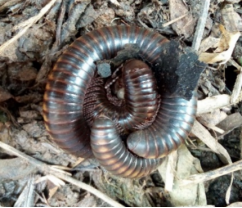
Figure 1. Morphology of the spiraled Ophistreptoides sp. collected at the campus of the University of Yaounde I, Cameroon.
Aduts of giant millipede species Ophistreptoides sp. were collected from March to August 2023 in the green vegetation around the campus of the University of Yaounde I (3°51’N, 11°53’E; Altitude 750 m a.s.l.) by direct search. This giant millipede species millipede is black-brown in color with yellow dorsal stripe on the tergites, and belong to Myriapoda phylym, Diplopoda class and Spirotreptidae family . Adult males and females have a length ranging between 110 and 213 mm, and a width ranging between 9.8 and 10.1 mm (Figure 1). At the laboratory, individuals were reared in small boxes (19 cm long, 13 cm wide and 9 cm high) and fed twice a week with 30g of fresh lettuce during 3-week periods before the extraction of defensive substances.
2.2. Extract Processing
The extraction of defense substances was performed following the modified the protocol of Pesewu et al. (2008) . At the laboratory, this protocol was implemented by macerating 750g of millipede in 450 mL of solvent (containing 70% ethanol) for 5 days, and divided within 3 jars containing 250 g of millipede and 150 mL each. The mixture was then filtered and evaporated using a rotary evaporator at 40°C. The resulting extract was preserved in refrigerator at 4°C before impregnation on Whatman paper.
2.3. Biochemical Screening of Hydroethanolic Extract
The repugnant extract was characterized by biochemical screening to detect the presence of millipede compounds. It was carried out using the modified method described by Herborne (1973) and Sofowora (1993) at the organic chemistry laboratory of the University of Yaoundé I.
2.4. Papers Impregnation
The impregnation of Whatman n°1 papers was performed according to the modified protocol of N'Guessan et al. (2007) and Corbel et al. (2017) . Five circular papers of 11 cm diameter (4 test papers and 1 control paper) were impregnated each with 1 mL of the solution obtained by diluting the hydroethanol extract in acetone, using a Pasteur pipette. The extracts were diluted to four concentrations (25, 50, 75 and 100 mg/ml). The papers were individually placed on metal plates covered with spikes, and then dried in the laboratory for 10 minutes before being wrapped in aluminum foil and stored in a refrigerator at 4°C until used for the tests.
2.5. Mosquito Breeding
Behavioral assays were performed on female An. gambiae originating with the insecticide reference strain “Kisumu”. This strain was carried out at the OCEAC Medical Entomology Laboratory and began with the immersion of the eggs in rearing tanks containing spring water for hatching. The mosquito’s colony was maintained in a climatic room at 27 ± 2°C, with a relative humidity of approximately 80% and with a photoperiod cycle of 12 h Light: 12 h Dark. One or two days after soaking, the larvae (L1) obtained were distributed among the tanks. The water level in the tanks was maintained at a depth of 5 cm for an average density of 100 larvae to allow better aeration and uniformity of temperature in the rearing water. The larvae were fed with vitamin-rich dog biscuit powder (TetraMinBaby®). Two splits of this powder were added to each rearing tank every two days. The tanks were covered with mosquito nets to prevent other mosquito species from laying eggs in the water. Emerged adults were placed in 25 cm x 25cm x 5cm cages and fed with 10% glucose solution (sweet juice). Females used in the bioassays were from batches of non-blood fed mosquitos ( 3 to 5 days after emergence).
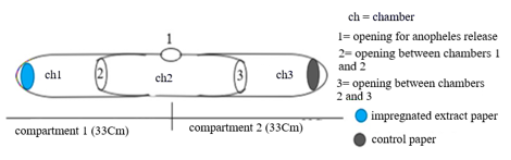
Figure 2. Schematic drawing of a modified repellency test of Grieco et al. (2005) including chambers and compartment legends.
2.6. Repellent Bioassay
The repulsion test followed the modified protocol of Grieco et al. (2005) . A device with three chambers and two compartments (compartment 1 = chamber 1, compartment 2 = chamber 2+3) with the possibility of communication between them was taking into account. In one of the end chambers, Whatman N°1 paper (11 cm in diameter) impregnated with extract was placed at the bottom of the chamber. Paper impregnated with acetone (control) was placed in the chamber at the other end. A batch of 60 female mosquitoes was dropped into the central chamber between chambers 1 and 3 and allowed to acclimatize for 10 minutes. This experiment was repeated four times. Another device (observation device) was set up in parallel as the previous one, but without impregnated paper, in order to observe the behaviour and distribution of the mosquitoes. The number of mosquitoes in each compartment was then counted every 10 minutes during 1 hour. The results of the test were based on the number of mosquitoes in each compartment. If the product was repellent, the mosquitoes escaped from compartment 1 to the second compartment (control) (Figure 2).
2.7. Lethal Bioassay
The mortality of mosquitoes was evaluated according to the modified WHO protocol . The mosquitoes used were fasting 3-4 days old females of the Kisumu reference strain (An. gambiae). WHO cones were used to forcibly contact the mosquitoes with the impregnated papers (5 mosquitoes per cone) at the different concentrations alongside the acetone-based control. Three batches of different contact times (3, 5 and 10 minutes) were monitored. Each batch consisting of the different concentrations tested and their residues. The exposed mosquitoes were then transferred to disposable cups covered with unimpregnated mosquito netting (cotton wool soaked in a 10% sugar solution was placed on each cup) and observed for 60 minutes to count the number of knockdown mosquitoes (died insects) 1 hour post exposure. Mortality was then recorded at 24, 48 and 72 hours. The bioassay results were discarded, if mortality in the control bottle at the end of the test was >10%. This experiment was repeated ten times.
2.8. Data Analysis
Data from the different tests performed in the laboratory were recorded in a digital database using Excel version 2016 and expressed as descriptive data analysis. The ANOVA H test was used for the comparison of repulsion rates. Mean mortality values of dead mosquitoes in both treated and control assays were compared using the H test of Kruskal-Wallis, followed by the W test of Wilcoxon for pairwise comparisons because data conditions were satisfied. Probit-mortality data were obtained after corrected mosquitoes’ population mortality and used to determine the lethal concentrations 50% (LC50) and 95% (LC95) corresponding to the Anopheles gambiae populations mortality rates, after 24, 48 and 72 hours of observations. All inferential analyses were performed using SPSS 16.0 software and differences were deemed significant at p< 5%.
3. Results
3.1. Biochemical Composition of Extract
Biochemical composition of the extract revealed the presence of quinones (2-2-methoxy-3-methyl-1,4-benzoquinone and methyl-1,4,-benzoquinone) and triterpenes. The quinone concentration represented more than 94% of the total of the extract compared to triterpene concentration.
3.2. Repellent Effect
The repellent effect of the hydroethanolic extract of millipede increased significantly with concentration (p < 0.001) at different observation time. The Repellency rate ranged from 57.69 ± 11. 46 at 25 mg/mL concentration to 97.54±1.42% at 100 mg/mL concentration (Table 1). At 25 mg/mL, the lowest concentration induced the highest repellency rate after 10 min of observation (78.48%) and the lowest repulsion rate after 60 minutes (57.69%). The same trends were observed at 75 mg/mL and 100 mg/mL with highest rate of 93.89 and 97.54% and lowest rate of 87.32 and 93.70% respectively. In contrast at 50 mg/mL, the maximum repellency rate (86.79%) was obtained after 20 min and the minimum (82.32%) after 60 min. Overall, the highest repellency rate were recorded within 10-20 minutes of exposure, and the lowest as the duration of exposure increased.
Table 1. Repellent activity of hydroethanolic extracts of Ophistreptoides sp. at different concentrations over time.

Concentrations (mg/mL)

Times (minutes)

F

p

<10

10

20

30

40

50

60

0

0,0 ± 0,0bA

0,0 ± 0,0 d A

0,0 ± 0,0 c A

0,0 ± 0,0 c A

0,0 ± 0,0 c A

0,0 ± 0,0 c A

0,0 ± 0,0 c A

-

-

25

100± 0,0 a

78,48 ± 3,54 c A

68,00 ± 8,28 b A

71,38 ± 3,55 b A

75,64 ± 5,18 b A

65,00 ± 8,66 b A

57,69 ± 11,46b A

1,04

0,42

50

100± 0,0aB

85,45 ± 3,14 bc A

86,79 ± 0,0 ab A

85,62 ± 1,88 a A

85,16 ± 0,31 ab A

82,31 ± 1,33 ab A

82,17 ± 2,66 ab A

0,96

0,46

75

100± 0,0aB

93,89 ± 2,55 ab A

92,31 ± 4,43 a A

88,27 ± 4,77 a A

91,46 ± 3,95 a A

87,37 ± 4,25 a A

87,32 ± 4,22 a A

0,47

0,79

100

100± 0,0aB

97,54 ± 1,42 a A

96,43 ± 4,12 a A

94,61 ± 2,13 a A

96,43 ± 2,06 a A

94,61 ± 2,13 a A

93,70 ± 1,61 a A

0,57

0,71

F (4, 15)

-

263,34

86,08

173,79

168,76

74,32

46,32

p

-

<0,001

<0,001

<0,001

<0,001

<0,001

<0,001

Lowercase and uppercase letters refer to multiple comparisons of means between columns and rows respectively, according to Tukey's test at the significance level of 5%.
3.3. Knock-down and Insecticidal Effects
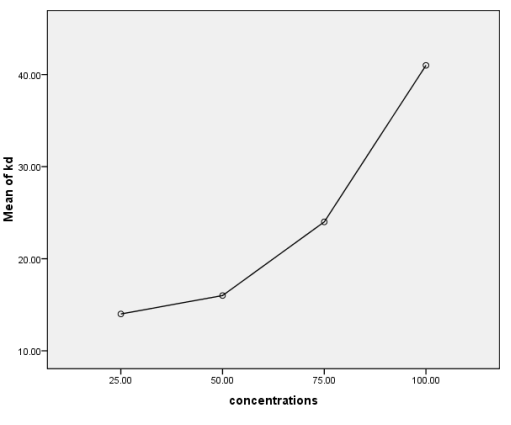
The knock-down effect and lethal concentration (LC50 and LC95) of the hydroethanolic extract of millipede on An. gambiae adults varied significantly in some cases (p<5%) with concentration and observation time, except in control bioassays where none knock-down effect was observed (Table 2). The lowest knock-down effect was 8 ± 2.49 individuals at 25 mg/mL after 3 min of mosquitoes exposure and the highest one was 50 ± 4.71 at 100 mg/mL after 10 min of insects exposure. The percentage of mosquitoes knocked out increases with increasing concentration and exposure time (Table 2).
Table 2. Mortality rates of Anopheles mosquitoes at 24, 48, and 72 hours of observation after exposure.

Concentrations (mg/mL)

Mortality rate (%)

24h

48h

72h

p

F

25

29 ± 6,574 a B

44 ± 5,416 c AB

62 ± 3,887 c A

0,001

9,342

50

42 ± 4,422 a B

50 ± 2,981 bc B

73 ± 4,485 bc A

<0,0001

16,002

75

47 ± 4,955 a B

64 ± 5,416 ab A

79 ± 3,480 b A

<0,0001

11,652

100

48 ± 4,422 a C

76 ± 1,633 a B

94 ± 1,633 a A

<0,0001

64,768

P

0,051

<0,0001

<0,0001

F

2,857

11,193

14,240

Lowercase and uppercase letters refer to multiple comparisons of means between columns and rows respectively, according to Tukey's test at the significance level of 5%.
The mosquitoes’ mortality rates increased significantly (p<5%) with the duration (24, 48 and 72 hours) of observations and tested concentrations (25, 50, 75 and 100 mg/mL) post exposure period of 3, 5 and 10 minutes, except in the control where none mortality was recorded during the experiments (Table 3). For a given time of mortality observation, the percentages of mosquitoes’ mortality, after 3 minutes of contact with bioactive substances, were comparable (p5%) between the different tested concentrations; in contrast, significant differences (p<5%) in mosquitoes’ mortality were observed in function of observation times for each bioactive substance concentration, values ranged from 26 ± 4.52% individuals (lower mosquitoes mortality) at 25 mg/mL in 24h to 69 ± 4.58% (highest mosquitoes mortality) at 100 mg/mL in 72h of observations (Table 3). The similar trend results in mosquitoes’ population mortality, obtained after 3 min exposure, was also observed after 10 min of their exposure to the different bio-substance concentrations in 24h, 48h and 72h; but an increasing mortality rate was recorded in the later exposing mosquitoes’ population, then mosquitoes’ mortality rates varied between 41 ± 7.06% individuals (lower mortality) at 25 mg/mL in 24h to 94 ± 3.26% (highest mortality) at 100 mg/mL in 72h of observations (Table 3). However, the mosquitoes’ mortality rates obtained after 5 min of their exposure to test substances were intermediate to those recorded for both previous exposure times of specimens, and values ranged from 29 ± 6.57% specimens (lower mosquitoes’ mortality) at 25 mg/mL in 24h to 78 ± 1.63% (highest mosquitoes mortality) at 100 mg/mL in 72h of observations (Table 3).
After 3 minutes of contact, the extract tested was more toxic after 72h of observation (LC50= 6.99 mg/mL and LC95= 54811.66 mg/mL) with an LC50 below the sub-lethal concentration (25mg/mL) compared to the toxicity obtained after 24h (LC50= 479.551mg/mL and LC95= 725989.08 mg/mL). After 5 min of contact and 72h of observation, the extract was more toxic (LC50= 18.09 mg/mL and LC95= 186.44 mg/mL) with an LC50 lower than the sub-lethal concentration (25mg/mL) compared to the toxicity obtained after 24h (LC50= 99.63 mg/mL and LC95= 8175.24 mg/mL) which has higher concentrations (Table 3). After 10 minutes of contact the extract tested was more toxic after 72h (LC50= 6.00 mg/mL and LC95= 1475.73 mg/mL) than that obtained after 24h (LC50= 81.23 mg/mL and LC95= 62993.64 mg/mL).
Table 3. LC50 and LC95 of hydroethanolic extracts of Ophistreptoides sp. post-exposure on adult Anopheles gambiae s.l.

Observation time

Slope ± ES

LC50 (IC)

LC95 (IC)

24 h

0,161

0,859 ± 0,090

99,632 (67,729-462,620)

8175,247 (1018,119-1,552E9)

422,095***

48 h

0,484

1,352 ± 0,090

37,800 (27,170-46,487)

622,639 (310,301-2884,832)

304,348***

72 h

0,529

1,624 ± 0,099

18,094 (9,783-24,770)

186,443 (126,800-405,935)

321,065***

P = significance level (***p<0.001); R² = coefficient of determination; CI = confidence interval; CL = lethal dose; ES = standard error; χ² = chi-square.
Figure 3. Percentage of mosquitoes exhibiting knockdown 1 hour after exposure.
The mortality rate induced by the extract depends on its concentration and the exposure time of the mosquitoes; it increases with the concentration and exposure time. Of the 4 concentrations tested, none induced 100% mortality. Following exposure of adult Anopheles to different concentrations of the test substance after 3, 5 and 10 minutes of contact with the test substance, the mean mortality rates of the mosquitoes varied markedly according to the concentrations, i.e. from 26 ± 4.52 (25mg/mL) to 38 ± 4.16 (100mg/mL) after 3 minutes of exposure and 24 hours post-exposure; from 44 ± 5.41 (25mg/mL) to 76 ± 1.63 (100mg/mL) after 5 minutes‘ exposure and 48h post-exposure and from 64 ± 4.76 (25mg/mL) to 78 ± 3.26 (100mg/mL) after 10 minutes exposure and 72h post-exposure (Figure 3).
4. Discussion
In the present study, the biochemical analysis of the hydroethanolic extract of the millipede Ophistreptoides sp. (Spirostreptida, Spirostreptidae) revealed a high concentration of quinones, while terpenoids were present in lower amounts. The predominant components were benzoquinones, specifically 2-methoxy-3-methyl-1,4-benzoquinone and methyl-1,4-benzoquinone, which accounted for over 94% of the total concentration of the millipede extract. This finding is consistent with previous studies that identified the presence of quinones and their derivatives, such as benzoquinones, hydroquinones, toluquinones, and toluhydroquinones, within the Spirostreptidae family . However, the chemical structures of the benzoquinone components found in the extract of the studied millipede species differed from those commonly shared by other species within the same family, . In addition to quinones, the biochemical analysis of the extract revealed a mixture of terpenoid alkaloids. These compounds are generally found in the orders Polyzoniida, Siphonocryptida, and Siphonophorida . The combination of quinones and terpenoids is likely reported for the first time in African millipede species and may be justified by the fact that the composition of defensive secretions in millipedes can differ between orders or species and may be significantly influenced by geographical factors as well as the diet and the method of extraction use .
Quinones, including benzoquinones and hydroquinones, are not exclusive to the Spirostreptidae family and the Spirostreptida order. Numerous studies highlighted the presence of these compounds in other diplopod families, such as Spirobolidae, Rhinocricidae, and Harpagophoridae . Benzoquinones are known for their potential repellent properties, lethal agents against many invertebrates and for their irritant effects on vertebrates . Additionally, various other chemical compounds with pest management applications have been identified in different millipede families, including hydrogen cyanide (HCN), ketones, phenols, benzaldehyde, benzoylnitrile, formic acid, and acetic acid in Polydesmidae (Makarov et al., 2010), as well as nitroethylbenzene in Pyrgodesmidae and polyzonimine, nitropolyzonamine, spiropyrrolizidine oximine, and buzonamine in Hirudisomatidae and Polyzoniidae families . In medicine and zoopharmacology, specific millipede-derived compounds have been shown to attenuate the development of seizures, anxiety-like behaviour, and prevent neuronal death in the hippocampus and amygdala regions, suggesting a potential pathway for developing new antiepileptic drugs .
Our results also demonstrated that all four tested concentrations repelled at least 50% of adult mosquitoes and induced at least 49% mortality. The repellent effect of a product can be attributed to its action on the nervous system of the target host via the insect's tarsi or antennae . We observed an increase in both the repellent effect and mortality with increasing concentration and observation time. For toxic products, greater damage (KD effect and mortality) is caused by higher concentrations. However, our study also revealed progressive mortality over time, which could be explained by the kinetics of the molecules present in the extract (slow-acting, cumulative effect). This is primarily attributed to the quinones present in the extract of the studied millipedes. In fact, this millipede relies on the potent repellent odor of benzoquinone components, which induces erratic behaviour in mosquitoes as they attempt to escape the odor emanating from the chamber containing the tested concentrations. This repellent odor can also be detected by humans when handling these species during experimentation. The repellent effect of benzoquinones has been reported in several insects, including the American cockroach (Periplaneta americana), where diplopod extracts exhibit irritant effects . Primates, such as capuchin monkeys (Cebus olivaceus) and black lemurs (Eulemur macaco), use benzoquinone-derived secretions from millipedes for self-cleaning. This behaviour involves chewing on millipedes, which release a substance that is then rubbed onto their skin and fur. This mixture, composed of saliva and millipede secretions, may possess repellent or irritant properties, providing protection against mosquito bites and other predators .
The extract of millipede Ophistreptoides sp. demonstrated adulticidal effects on mosquitoes. The toxic effects were progressive and increased significantly with observation time. Indeed, the highest mortality rate of 94% was observed after 72 hours at a concentration of 100 mg/mL. The presence of terpenoids within the extract likely might contribute to the lethal effects observed on An. gambiae. Indeed, terpenes exert neurotoxic actions by inhibiting the activity of acetylcholinesterase, leading to an accumulation of acetylcholine in the central nervous system and at nerve endings, which causes behavioural disturbances and ultimately results in the death of the insect . These compounds have also been shown to induce cholinesterase inhibition in domestic flies (Musca domestica Linné, 1758) .
5. Conclusion
Our study explored the use of millepede-derived secretions in pest management strategies. It analyzed the biochemical composition of the hydroethanolic extract of the giant millipede Ophistreptoides sp. and tested its potential effects as repellent and its toxicity against mosquitoes, An. gambiae, the main malaria of vector in sub-Saharan Africa. Although, millipede secretions are used for their survival against predators, they contain chemical compounds such as benzoquinones and triterpenes that hold potential for application in pest management control. These compounds exhibit repellent and lethal effects against An. gambiae populations and may provide new insight into to search of new compounds or alternative vector strategies to mitigate the impact of resistance, and reduce the malaria transmission rate, as well as several vectors borne diseases (dengue and chikungunya). Further studies in chemical ecology are need to identify the specific compounds of benzoquinones or terpenes, and the combination effects of both compounds in controlling mosquitoes’ population of An. gambiaie.
Abbreviations

R2

Coefficient of Determination

CI

Confidence Interval

CL

Lethal Dose

ES

Standard Erro

χ²

Chi-square

Author Contributions
Kue Tagne Styve Jordan: Investigation, Methodology, Writing – original draft
Nwane Philippe: Formal Analysis, Writing – original draft
Mahob Raymond Joseph: Formal Analysis, Writing – original draft
Makon Samuel Didier: Investigation, Methodology
Mbenoun Massé Paul Serge: Conceptualization, Data curation, Formal Analysis, Funding acquisition, Project administration, Resources, Software, Supervision, Validation, Writing – original draft, Writing – review & editing
Data Availability Statement
The datasets used and/or analyzed during the current study are available from the corresponding author upon reasonable request.
Conflicts of Interest
Authors have declared that no competing interests exist.
References
[1] World Health Organization (2025) Malaria end with us: reinvest. reimagine. reignite.
[2] Tankoua-Tchounda R. 2025 Gastrointestinal and blood-borne parasitic coinfections and HIV: effects on the immune system in patients admitted to the Bafoussam Regional Hospital (West Cameroon). Ph.D. Doctoral Thesis, Department of Animal Organism Biology, University of Douala, Cameroon: 160 p.
[3] Fondjo E., Toto, JC., Tchouakui M., Eyisap WE, Patchoke S, Menze B, Chabi, J. High vector diversity and malaria transmission dynamics in five sentinel sites in Cameroon. Malar J. 2023; 22(1), 123.
[4] Antonio-Nkondjio C, Ndo, C, Njiokou F., Bigoga JD, Awono-Ambene P, Etang J, Wondji, CS. Review of malaria situation in Cameroon: technical viewpoint on challenges and prospects for disease elimination. Parasit Vectors. 2019; 12(1), 501.
[5] Mbakop LR., Awono-Ambene PH, Mandeng SE, Ekoko WE, Fesuh BN, Antonio-Nkondjio C., Etang, J. Malaria transmission around the Memve’ele hydroelectric dam in South Cameroon: a combined retrospective and prospective study, 2000–2016. IJERPH. 2019; 16(9), 1618.
[6] Chouakeu NAK, Tchuinkam T, Bamou R., Bindamu MM, Talipouo A, Kopya, E, et al. Malaria transmission pattern across the Sahelian, humid savanna, highland and forest eco-epidemiological settings in Cameroon. Malar J. 2023; 22(1): 116.
[7] Ekoko EW, Awono-Ambene P, Bigoga J, et al. Pattersn of anapheline feeding: resting behaviour and Plasmadium infections in North Cameroon, 2011-2014: Implications for malaria control. Parasit Vectors. 2019; 12(1), 297.
[8] Simard F, Ayala D, Kamdem GC, Pombi M, Etouna J, Ose, K, et al. Ecological niche partitioning between Anopheles gambiae molecular forms in Cameroon: the ecological side of speciation. BMC Ecol. 2009; 9(1), 17.
[9] World Health Organization (2023). Guidelines for laboratory and field-testing of long-lasting insecticidal nets. Geneva. (Accessed on Sunday. 27 April. 2025).
[10] World Health Organization (WHO). (2021). “World Malaria Report 2021.” (Accessed on Sunday. 27 March 2024).
[11] Antonio-Nkondjio C, Fossog BT, Ndo C, Djantio BM, Togouet SZ, Awono-Ambene P, al. Anopheles gambiae distribution and insecticide resistance in the cities of Douala and Yaoundé (Cameroon): influence of urban agriculture and pollution. Malar J. 2011; 10(1), 154.
[12] Bamou, R, Sonhafouo-Chiana N, Mavridis K, Tchuinkam T, Wondji CS, Vontas J, et al. Status of insecticide resistance and its mechanisms in Anopheles gambiae and Anopheles coluzzii populations from forest settings in south Cameroon. Genes. 2019; 10(10): 741.
[13] Nwane P, Etang J, Chouaїbou, M. et al. Multiple insecticide resistance mechanisms in Anopheles gambiae s.l. populations from Cameroon, Central Africa. Parasit Vectors. 2013; 6, 41.
[14] Talipouo A, Mavridis K, Nchoutpouen E, et al. High insecticide resistance mediated by different mechanisms in Culex quinquefasciatus populations from the city of Yaoundé, Cameroon. Sci Rep. 2021; 11, 7322.
[15] Sonhafouo-Chiana N, Nkahe LD, Kopya E, et al. Rapid evolution of insecticide resistance and patterns of pesticides usage in agriculture in the city of Yaoundé, Cameroon. Parasit Vectors. 2022; 15, 186.
[16] Efa S, Elanga-Ndille E, Poumachu Y, Tene B, Mikande JZ, Zakaraiarou, Wondji CS, et al. Insecticide Resistance Profile and Mechanisms in An. gambiae s.l. from Ebolowa, South Cameroon. Insects. 2022, 13(12), 1133;
[17] Thiomela RF, Tchouakui M, Menze BD, Nchoutpouen E, Ngongang-Yipmo ES, et al. Indoor residual spraying of experimental huts in Cameroon higlights the potential of Fludora® Fusion to control wild pyrethroid-resistant malaria vectors. BMC Infect Dis. 2024; 24(1): 733.
[18] Smith J, Brown A, Green T. Neuroprotective properties of millipede secretions: Implications for antiepileptic drug development. J Chem Ecol. 2021; 47(3). 345-356.
[19] Mbenoun Masse PS. An annotated checklist of the millipedes (Myriapoda Diplopoda) of Cameroon. with several new species and distribution records. Biodivers J. 2023; 14, 275-291.
[20] Hopkin SP. Biology of the springtails (Insecta: Collembola) and their role in the soil ecosystem. Springer. 2015.
[21] Mbenoun Masse PS. Makon SD. Tenyam Nkoh PB, Mwabvu T. Geographic distribution. diversity and conservation status of giant millipedes in southern Cameroon rainforest. Afr J Ecol. 2022; 60(4), 1071–1080.
[22] Shear WA. The chemical defenses of millipedes (diplopoda): Biochemistry. physiology and ecology. Biochem Syst Ecol. 2015; 61, 78−117.
[23] Bodner M. Vagalinski B, Makarov SE, Antić DŽ, Vujisić LV, Leis HJ, Raspotnig G. “Quinone Millipedes” Reconsidered: Evidence for a MosaicLike Taxonomic Distribution of Phenol-Based Secretions across the Julidae. J Chem Ecol. 2016; 42, 249-258.
[24] Wood W, Hanke F, Kubo I, Carroll J, Crews P. Buzonamine. a new alkaloid from the defensive secretion of the millipede Buzonium crassipes. Biochem Syst Ecol. 2000; 28(4), 305-312.
[25] Kandeda KA, Mbenoun MPS, Ateufack LB, Penda MZ, Baldagai N. Therapeutic potential of the extract of giant millipede Telodeinopus Canaliculatus on epileptogenesis and associated anxiety-like behaviour. Metab Brain Dis. 2024; 40-65.
[26] Peckre LR, Defolie C, Kappeler PM, Fichtel C. Potential self -medication using millipede secretions in red-fronted lemur: combining anointment and ingestion for joint action against gastrointestinal parasites. Primates. 2018; 59, 483-494.
[27] Johnson R, Lee M. Chemical ecology of millipede secretions: Efficacy as insect repellents. Toxins. 2022; 14(5), 321-334.
[28] Garcia L, Patel S, Kim H. Lethal effects of millipede toxins on insect predators: Ecological implications. J Insect Sci. 2023; 23(2), 112-124.
[29] Herborne JB. Phytochemical methods. A Guide To Modern Techniques of Plant Analysis. 1973; 2, 5-11.
[30] Sofowora EA. Phytochemical screening: Medicinal plant and traditional medicine in Africa. Spectrum Books Ltd. Ibadan. Nigeria; 1993; 270-289.
[31] N’Guessan R, Corbel V, Akogbéto M, Rowland M. Reduced efficacy of insecticide-treated nets and indoor residual spraying for malaria control in pyrethroid resistance area. Benin. EID. 2007; 13(2), 199-206.
[32] Corbel V, Fonseca DM, Weetman D, Pinto J, Achee NL, Chandre F, Coulibaly MB. et al. International workshop on insecticide resistance in vectors of arboviruses. December 2016. Rio de Janeiro. Brazil. Parasit Vectors. 2017; 10, 1-16.
[33] Grieco JP, Achee NL, Sardelis MR, Chauhan KR, Roberts DR. A Novel high-throughput screening system to evaluate the behavioural response of adult mosquitoes to chemicals. J Am Mosq Control Assoc. 2005; 21(4), 404-411.
[34] Abbott WS. A method of computing the effectiveness of an insecticide. J Econ Entomol. 1925; 18, 265-267.
[35] Williams L, Singh P, Williams L. Biology and biological action of the defensive secretion from a Jamaican millipede. Nat Sci. 1997; 84(4), 143-144.
[36] Buden D, Attygalle A, Wu X. Distribution of the Chuuk Islands giant millipede. Acladocricus setigerus (Spirobolida: Rhinocricidae). and identification of its defensive compounds. Pac Sci. 2004; 58(4), 625-636.
[37] Makarov SE, Curcic BPM, Tesevic VV. Defensive secretions in three species of polydesmids (Diplopoda. Polydesmida. Polydesmidae). J Chem Ecol. 2010; 36, 978-982.
[38] Eisner T, Meinwald J. Defensive secretions of arthropods. Science. 1966; 153, 1341-1350.
[39] Monro A, Chadha M, Meinwald J, Eisner T. Defense mechanisms of arthropods. VI. Para-benzoquinones in the secretion of five species of millipedes. Anna Entomol Soc Am. 1962; 55, 261-262.
[40] Deml R, Huth A. Benzoquinones and hydroquinones in defensive secretions of tropical millipedes. Die Naturwiss. 2000; 87(2), 80-82.
[41] Wu X, Buden D, Attygalle A. Hydroquinones from defensive secretion of a giant Pacific millipede. V n (Diplopoda: Spirobolida). Chemoecology. 2007; 17, 131-138.
[42] Kuwahara Y, Omura H, Tanabe, T. 2-Nitroethenylbezenes as natural products in millipede defense secretions. Die Naturwiss. 2002; 89(7), 308-310.
[43] Kuwahara Y, Mori N, Tanabe T. Detection of a neotropical frog alkaloid spiropyrrolizidine 236 from a Japanese polyzoniid millipede Kiusiozonium okai as a major defense component together with polyzonimine and nitropolyzonamine. Japanese J Environ Entomol Zool. 2007; 18(2), 91-95.
[44] White G. Terminology of Insect Repellents: Insect Repellents: Principles. Pp 31–46 in Debboun M, Frances S, Strickman D. (Eds). Methods and Uses. 2007, CRC Press.
[45] Peschke K, EisnerT. Defensive secretion of the tenebrionid beetle. Blaps mucronata: physical and chemical determinants of effectiveness. J Comp Physiol. 1987; 161(3), 377-388.
[46] Weldon P, Aldrich J, Klum OJ, Debboun M. Centipede benzoquinones deter mosquitoes and induce self-anointing in capuchin monkeys (Cebus spp). Naturwissenschaften. 2003; 90, 301-304.
[47] Carroll JF, Kramer M, Weldon PJ, Robbins RG. Produits chimiques d'onction et ectoparasites: effets des benzoquinones des millepattes sur la tique étoilée solitaire [Chemical secretions and ectoparasites: Effects of millipede benzoquinones on the lone star tick]. Amblyomma americanum. J Chem Ecol. 2005; 31(1): 63-75.
[48] Grünewald B, Siefert P. Acetylcholine and its receptors in the honeybee: involvement in development and impairment by neonicotinoids. Insects. 2019; 10(12), 420.
[49] Naqvi SNH. Biological evaluation of fresh extracts and some neem components with reference to abnormalities and esterase activity in insects. In: Natural pesticides from the neem tree and other tropical plants. Proceeding of the 3rd international neem conference. Nairobi. Kenya. France. ANPP. 187; II (6): 315-330.
[50] Pesewu GA, Cutler RR, Humber DP. Activité antibactérienne des plantes utilisées dans la médecine traditionnelle du Ghana avec une référence particulière au SARM [Antibacterial activity of plants used in traditional medicine in Ghana with a particular reference to MRSA]. J Ethnopharmacol. 2008; 116(1), 102-111.
Cite This Article
  • APA Style

    Jordan, K. T. S., Philippe, N., Joseph, M. R., Didier, M. S., Serge, M. M. P. (2026). Potential Repellent and Insecticidal Effects of Millipede-derived Secretions Against Anopheles gambiae s.l., the Main Malaria Vector in Africa. Research and Innovation, 2(3), 214-223. https://doi.org/10.11648/j.ri.20260203.11

    Copy | Download

    ACS Style

    Jordan, K. T. S.; Philippe, N.; Joseph, M. R.; Didier, M. S.; Serge, M. M. P. Potential Repellent and Insecticidal Effects of Millipede-derived Secretions Against Anopheles gambiae s.l., the Main Malaria Vector in Africa. Res. Innovation 2026, 2(3), 214-223. doi: 10.11648/j.ri.20260203.11

    Copy | Download

    AMA Style

    Jordan KTS, Philippe N, Joseph MR, Didier MS, Serge MMP. Potential Repellent and Insecticidal Effects of Millipede-derived Secretions Against Anopheles gambiae s.l., the Main Malaria Vector in Africa. Res Innovation. 2026;2(3):214-223. doi: 10.11648/j.ri.20260203.11

    Copy | Download

  • @article{10.11648/j.ri.20260203.11,
      author = {Kue Tagne Styve Jordan and Nwane Philippe and Mahob Raymond Joseph and Makon Samuel Didier and Mbenoun Massé Paul Serge},
      title = {Potential Repellent and Insecticidal Effects of 
    Millipede-derived Secretions Against Anopheles gambiae s.l., the Main Malaria Vector in Africa},
      journal = {Research and Innovation},
      volume = {2},
      number = {3},
      pages = {214-223},
      doi = {10.11648/j.ri.20260203.11},
      url = {https://doi.org/10.11648/j.ri.20260203.11},
      eprint = {https://article.sciencepublishinggroup.com/pdf/10.11648.j.ri.20260203.11},
      abstract = {Chemical insecticides have greatly contributed to the emergence of resistant mosquito populations in sub-Saharan Africa. Innovative strategies exploring novel animal-derived secretions may offer new avenues for effective vector control. We investigated the chemical composition of the hydroethanolic extract (HE) from millipede Ophistreptoides sp. and assessed its repellent and insecticidal effects against the susceptible Anopheles gambiae Kisumu strain. Millipedes were collected from vegetation and macerated in 70% distilled alcohol and 30% tap water for 5 days. A spectrophotometric approach was performed for the determination of all compounds present in the extract. The repellent effect was evaluated on fifty adult females of An. gambiae using impregnated papers with extract at different concentrations of 25, 50, 75, and 100 mg/mL, with acetone as control. The adulticidal effect was measured after 1 hour of exposure, with mortality assessed at 24, 48, and 72 hours post-exposure. Spectrophotometric analysis identified 2-2-methoxy-3-methyl-1,4-benzoquinone and methyl-1,4-benzoquinone as the main compounds in the extract. The repellency rate ranged from 57.69 ± 11. 46 at 25 mg/mL concentration to 97.54±1.42% at 100 mg/mL concentration. Mosquito mortality rates increased significantly (p 50 = 18.09 mg/mL; LC95 = 186.44 mg/mL). This study highlights the potential of millipede-derived bioactive compounds in integrated vector management and suggests further research into their molecular modes of action and formulation for mosquito nets and spray.},
     year = {2026}
    }
    

    Copy | Download

  • TY  - JOUR
    T1  - Potential Repellent and Insecticidal Effects of 
    Millipede-derived Secretions Against Anopheles gambiae s.l., the Main Malaria Vector in Africa
    AU  - Kue Tagne Styve Jordan
    AU  - Nwane Philippe
    AU  - Mahob Raymond Joseph
    AU  - Makon Samuel Didier
    AU  - Mbenoun Massé Paul Serge
    Y1  - 2026/05/08
    PY  - 2026
    N1  - https://doi.org/10.11648/j.ri.20260203.11
    DO  - 10.11648/j.ri.20260203.11
    T2  - Research and Innovation
    JF  - Research and Innovation
    JO  - Research and Innovation
    SP  - 214
    EP  - 223
    PB  - Science Publishing Group
    SN  - 3070-6297
    UR  - https://doi.org/10.11648/j.ri.20260203.11
    AB  - Chemical insecticides have greatly contributed to the emergence of resistant mosquito populations in sub-Saharan Africa. Innovative strategies exploring novel animal-derived secretions may offer new avenues for effective vector control. We investigated the chemical composition of the hydroethanolic extract (HE) from millipede Ophistreptoides sp. and assessed its repellent and insecticidal effects against the susceptible Anopheles gambiae Kisumu strain. Millipedes were collected from vegetation and macerated in 70% distilled alcohol and 30% tap water for 5 days. A spectrophotometric approach was performed for the determination of all compounds present in the extract. The repellent effect was evaluated on fifty adult females of An. gambiae using impregnated papers with extract at different concentrations of 25, 50, 75, and 100 mg/mL, with acetone as control. The adulticidal effect was measured after 1 hour of exposure, with mortality assessed at 24, 48, and 72 hours post-exposure. Spectrophotometric analysis identified 2-2-methoxy-3-methyl-1,4-benzoquinone and methyl-1,4-benzoquinone as the main compounds in the extract. The repellency rate ranged from 57.69 ± 11. 46 at 25 mg/mL concentration to 97.54±1.42% at 100 mg/mL concentration. Mosquito mortality rates increased significantly (p 50 = 18.09 mg/mL; LC95 = 186.44 mg/mL). This study highlights the potential of millipede-derived bioactive compounds in integrated vector management and suggests further research into their molecular modes of action and formulation for mosquito nets and spray.
    VL  - 2
    IS  - 3
    ER  - 

    Copy | Download

Author Information
  • Department of Animal Biology and Physiology, University of Yaounde 1, Yaounde, Cameroon
  • Department of Animal Biology and Physiology, University of Yaounde 1, Yaounde, Cameroon

  • Department of Animal Biology and Physiology, University of Yaounde 1, Yaounde, Cameroon

  • Department of Animal Biology and Physiology, University of Yaounde 1, Yaounde, Cameroon

  • Department of Animal Biology and Physiology, University of Yaounde 1, Yaounde, Cameroon

  • Abstract
  • Keywords
  • Document Sections

    1. 1. Introduction
    2. 2. Materials and Methods
    3. 3. Results
    4. 4. Discussion
    5. 5. Conclusion
    Show Full Outline
  • Abbreviations
  • Author Contributions
  • Data Availability Statement
  • Conflicts of Interest
  • References
  • Cite This Article
  • Author Information