Research Article | | Peer-Reviewed

An Anti-Diabetic Elixir Using Syzgium cumini (Jamun) and Cocos nucifera (Coconut Water)

Received: 15 April 2026     Accepted: 8 May 2026     Published: 9 September 2026
Views:       Downloads:
Abstract

Diabetes mellitus is a chronic metabolic disorder characterized by persistent hyperglycemia and associated complications such as cardiovascular diseases, nephropathy, neuropathy and retinopathy. The increasing prevalence of Diabetes has encouraged the development of functional foods and beverages containing natural bioactive compounds with antidiabetic potential. The present investigation aimed to develop and evaluate an Anti-diabetic Elixir formulated using Syzygium cumini (Jamun) and Cocos nucifera (Tender Coconut water) enriched with natural additives such as mint, ginger, lemon extract, stevia and citric acid. Different formulations were prepared and standardized based on sensory acceptability. The finalized formulation was evaluated for sensory characteristics, antioxidant activity, phytochemical constituents, glycemic index, physicochemical properties and microbial quality. Sensory evaluation was conducted among 30 panellists and the sample 3 showed the highest acceptability in terms of taste, aroma, color, appearance and overall quality. Antioxidant analysis using the DPPH assay demonstrated appreciable free radical scavenging activity with a maximum inhibition of 80.2% and an IC₅₀ value of 61.3 µL. Phytochemical screening confirmed the strong presence of flavonoids, phenolic compounds, alkaloids and terpenoids, indicating significant therapeutic potential. The glycemic index of the elixir was found to be 31.3, classifying it as a low glycemic beverage suitable for diabetic individuals. The near neutral pH value and low microbial load indicated acceptable physicochemical stability and microbiological safety. Hence, the developed Jamun–Coconut water Elixir exhibited promising functional and antidiabetic properties and may serve as a natural health beverage for blood glucose management and overall wellness.

Published in American Journal of Applied Scientific Research (Volume 12, Issue 3)
DOI 10.11648/j.ajasr.20261203.17
Page(s) 131-138
Creative Commons

This is an Open Access article, distributed under the terms of the Creative Commons Attribution 4.0 International License (http://creativecommons.org/licenses/by/4.0/), which permits unrestricted use, distribution and reproduction in any medium or format, provided the original work is properly cited.

Copyright

Copyright © The Author(s), 2026. Published by Science Publishing Group

Keywords

Antidiabetic Elixir, Syzygium cumini, Cocos nucifera, Functional Beverage, Antioxidant Activity, Low Glycemic Index, Phytochemical Analysis

1. Introduction
Diabetes mellitus is a chronic metabolic disorder characterized by persistent hyperglycaemia resulting from impaired insulin secretion, insulin action, or both. It remains one of the most significant global public health challenges, with its prevalence rising rapidly due to urbanization, sedentary lifestyles, unhealthy diets, and genetic predisposition. The disease is associated with severe long-term complications such as cardiovascular disorders, nephropathy, neuropathy, and retinopathy, which substantially reduce quality of life and increase mortality. In response to these challenges, there is growing interest in alternative and complementary approaches, particularly those based on functional foods and plant-derived bioactive compounds, which are considered safer, cost-effective and sustainable .
Functional foods, defined as foods that provide health benefits beyond basic nutrition, have gained prominence in the prevention and management of chronic diseases such as diabetes. These foods are rich in bioactive compounds including polyphenols, flavonoids, vitamins, minerals, and dietary fiber, which exhibit antioxidant, anti-inflammatory, and antihyperglycemic properties. Fruit-based beverages, in particular, offer a practical and consumer-friendly means of delivering these compounds due to their nutritional value and high acceptability. Oxidative stress, a key factor in the pathogenesis of diabetes, results from excessive production of reactive oxygen species under hyperglycaemic conditions. Therefore, incorporating antioxidant-rich ingredients into daily diets is considered an effective strategy for improving metabolic health .
Among natural antidiabetic agents, Syzygium cumini (jamun) has received considerable attention due to its rich phytochemical composition, including anthocyanins, flavonoids, tannins, and phenolic compounds. These bioactive contribute to its strong antioxidant and antihyperglycemic effects, supporting improved insulin sensitivity and glucose metabolism. Similarly, coconut water serves as a natural, low-glycaemic beverage rich in electrolytes, vitamins, and antioxidants, making it suitable for diabetic individuals. Studies have demonstrated its potential to reduce oxidative stress, enhance insulin activity, and mitigate diabetes-related complications. The combination of jamun and coconut water presents a synergistic approach, where bioactive compounds and nutrients work together to enhance therapeutic efficacy and improve overall acceptability of the formulation .
The formulation of antidiabetic functional beverages can be further enhanced by incorporating natural additives such as ginger, mint, and lemon, which provide additional antioxidant, anti-inflammatory, and sensory benefits. The use of natural sweeteners like stevia (Stevia rebaudiana) is particularly important, as it offers high sweetness with negligible calories and minimal impact on blood glucose levels. Technological considerations, including pH, flavor, stability, and shelf life, are critical to ensuring product quality and consumer acceptance. Overall, the development of a jamun–coconut water-based antidiabetic elixir represents an innovative and sustainable approach that integrates traditional knowledge with modern nutritional science, offering a promising functional solution for diabetes management and prevention .
2. Materials and Methods
2.1. Selection of Ingredients
2.1.1. Ingredient Procurement
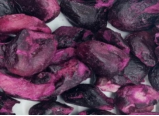
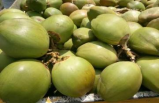
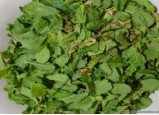
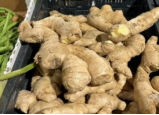
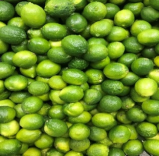
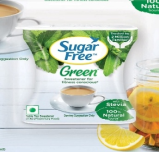
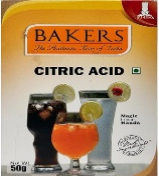
Freeze dried jamun fruits was procured from a certified commercial supplier ensuring high quality and preservation of its natural color. Tender coconut water was collected from local market. Other ingredients such as mint leaves, ginger, and lemon were selected based on freshness, cleanliness, and absence of contaminants. The sugar free sweetener stevia and citric acid was procured from reliable commercial sources to ensure consistency in sweetness and safety for consumption (Figures 1-7).
Figure 2. Coconut water.
Figure 7. Citric acid.
2.1.2. Preparation of Ingredients
Preparation of the freeze dried jamun fruit
The freeze dried jamun (Syzgium cumini) is collected from the commercial supplier. The freeze dried jamun is first washed with distilled water to remove contaminants and impurities. The washed jamun were rehydrated by soaking the jamun in water. The soaked jamun were then blended using the blender to obtain smooth and uniform pulp. For 20gm of freeze dried jamun 100ml of water is used to make smooth pulp.
Preparation of tender coconut water
Tender coconuts were procured from the local market and processed under hygienic conditions. The coconut water was aseptically extracted and subjected to pasteurization at 60–70°C for 15–20 minutes to ensure microbial safety while retaining its nutritional quality. Subsequently, the pasteurized sample was rapidly cooled to ambient temperature to inhibit further microbial activity and preserve its physicochemical properties
Preparation of Lemon Extract
Fresh lemons were procured and thoroughly washed under running water to remove surface contaminants. The fruits were then cut, and the juice was extracted manually under hygienic conditions. The extracted juice was filtered using a muslin cloth to remove seeds and pulp residues, resulting in a clear lemon extract.
Preparation of Mint extract
Fresh mint leaves were procured and thoroughly washed under running water to remove dirt and impurities. The leaves were then drained and blended with a small quantity of potable water to facilitate extraction. The resulting mixture was filtered using a muslin cloth to obtain a clear mint extract.
Preparation of Ginger extract
Fresh ginger rhizomes were procured and thoroughly washed under running water to remove adhering soil and impurities. The outer peel was removed, and the cleaned ginger was cut into small pieces and blended with a minimal quantity of potable water to facilitate extraction. The resulting slurry was filtered through a muslin cloth to obtain a clear ginger extract.
Addition of Citric acid
Food-grade citric acid was procured from a commercial supplier and incorporated into the formulation in a predetermined concentration. The citric acid was added to enhance the acidity, improve flavor, and act as a natural preservative. The mixture was stirred thoroughly under hygienic conditions to ensure uniform distribution and stability of the final product
Addition of Stevia (Sugar-free sweetener)
Stevia, a natural sugar-free sweetener, was procured from the local market and used in the formulation. A predetermined quantity of stevia was added to the prepared blend under hygienic conditions to impart the desired sweetness without increasing the caloric value. The mixture was stirred thoroughly to ensure uniform distribution and to achieve an acceptable taste profile in the final product.
2.1.3. Formulation and Standardization of Product
The formulation of the product involves selecting suitable ingredients in appropriate proportions to develop a nutritionally balanced and sensory acceptable beverage. In this study, jamun pulp, tender coconut water, mint and ginger extract, lemon juice, citric acid and stevia were used as the ingredients. Different variations of the formulation were prepared by altering the quantities of these ingredients to achieve the best combination in terms of taste, flavor, color, and overall acceptability. The following are the four distinct variations developed for the breakfast Jamun Elixir samples as given in the Table 1.
Table 1. Development of ingredients for experiment variations.

Sample No

Jamun (freeze dried) (ml)

Coconut water (ml)

Lemon extract (ml)

Mint extract (ml)

Ginger extract (ml)

Citric acid (gm)

Stevia (gm)

Sample 1

15

80

1.5

1.5

1.5

0.1

0.5

Sample 2

25

70

1.5

1.5

1.5

0.1

0.5

Sample 3

35

60

1.5

1.5

1.5

0.1

0.5

2.1.4. Preparation of Anti-diabetic Elixir
The preparation of the jamun elixir was carried out by blending all the prepared ingredients in predetermined proportions. The smooth jamun pulp (prepared from freeze-dried jamun fruit) was mixed with pasteurized tender coconut water under hygienic conditions. To this, measured quantities of mint extract, ginger extract and lemon extract were added. Further, food-grade stevia and citric acid were incorporated in defined concentrations to achieve the desired sweetness and enhance the antioxidant stability of the product. Different formulations were developed by varying the proportions of the ingredients, and three variations were prepared for standardization. The prepared samples were subjected to sensory evaluation to determine acceptability in terms of taste, flavour, colour, and overall quality. The finalized formulation was then filled into pre-sterilized glass bottles under aseptic conditions and sealed properly to ensure safety and extend shelf life.
2.2. Sensory Evaluation
The sensory analysis was conducted at Nehru Arts and Science College, Coimbatore. 30 people participated in this sensory analysis. The jamun elixir was analysed based on 5 point hedonic scale under 5 factors namely taste, aroma, colour, appearance and overall acceptability. The Jamun Elixir was ranked under 5 scales as shown in the Table 2 .
Scales: 1-dislike extremely; 2-dislike slightly; 3-neither like nor dislike; 4-like slightly; 5-like extremely.
Table 2. Sensory Evaluation chart.

Sample

Colour

Aroma

Taste

Appearance

Overall Acceptability

Sample 1

****

****

****

****

********

Sample 2

****

****

****

****

********

Sample 3

****

****

****

****

********

2.3. Bioactive Analysis
2.3.1. Estimation of Antioxidant Activity
Antioxidant activity was determined using the DPPH radical scavenging assay, where the sample was reacted with a DPPH solution and incubated in the dark. The reduction of DPPH was monitored by measuring the decrease in absorbance at 517 nm using a spectrophotometer .
2.3.2. Phytochemical Analysis
Benedict Test– Detection of Reducing Sugars
Reducing sugars were detected using Benedict’s test by heating the sample with Benedict’s reagent in a boiling water bath. The formation of a colored precipitate (green to brick red) indicated the presence of reducing sugars .
Flavonoids Test – Alkaline Reagent Test
Flavonoids were detected using the alkaline reagent test by adding sodium hydroxide (NaOH) to the sample, resulting in an intense yellow color. The disappearance of the color upon addition of dilute acid confirmed the presence of flavonoids .
Ferric Chloride Test – Detection of Phenolic Compounds
Phenolic compounds were detected by adding a few drops of ferric chloride (FeCl₃) solution to the sample. The formation of a blue, green, or violet coloration indicated the presence of phenolics .
Wagner’s Test – Detection of Alkaloids
Alkaloids were detected using Wagner’s test by adding Wagner’s reagent (iodine in potassium iodide) to the sample extract. The formation of a reddish-brown precipitate indicated the presence of alkaloids .
Salkowski’s Test – Detection of Terpenoids
Terpenoids were detected using Salkowski’s test by mixing the sample with chloroform followed by careful addition of concentrated sulfuric acid along the test tube wall. The formation of a reddish-brown coloration at the interface indicated the presence of terpenoids. Saponins possess surface acive properties and produce a stable, persistent froth when shaken with water due to a reduction in surface tension .
2.4. Glycemic Index Test
Glycemic Index (GI) was determined by measuring postprandial blood glucose levels after consumption of a fixed amount of available carbohydrates from the test sample and a reference (glucose). The incremental area under the curve (AUC) was calculated, and GI was expressed as the percentage of the blood glucose response relative to the reference food .
2.5. Physicochemical Analysis
Estimation of pH
The pH of the sample was measured using a calibrated digital pH meter by immersing the glass electrode into the solution. The pH value was recorded based on the electrical potential generated, after standardization with buffer solutions .
2.6. Microbial Analysis
The total plate count (TPC)
Total Plate Count (TPC) was determined by serially diluting the sample and plating it on nutrient agar medium under aseptic conditions. After incubation at 37°C, colonies were counted and expressed as colony-forming units per gram (CFU/gm) .
3. Results and Discussion
3.1. Sensory Evaluation
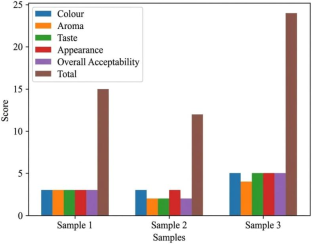
A sensory evaluation was conducted among 30 panellists from Nehru Arts and Science College, Coimbatore. The developed Jamun Elixir was served to the participants, and their responses were recorded based on key quality attributes including taste, colour, aroma, appearance and overall acceptability. The evaluation was carried out using a 5-point hedonic scale, where scores ranged from “dislike extremely” to “like extremely” to assess consumer acceptability of the product as shown in the Table 3 and Figure 8 .
Table 3. Sensory Analysis of Anti-Diabetic Elixir.

Sample

Color

Aroma

Taste

Appearance

Overall Acceptability

Total

Sample 1

3

3

3

3

3

15

Sample 2

3

2

2

3

2

12

Sample 3

5

4

5

5

5

24

Scales- 1-dislike extremely; 2-dislike slightly; 3-neither like nor dislike; 4-like slightly; 5-like extremely.
Figure 8. Column diagram of sensory evaluation.
The sensory evaluation graph (Fig.8) indicates that Sample 3 achieved the highest scores in all parameters, including color, aroma, taste, appearance, and overall acceptability. This suggests that Sample 3 was the most preferred formulation among the panel members. Sample 1 showed moderate scores across all attributes, indicating average acceptability. In contrast, Sample 2 recorded the lowest scores, particularly in taste and overall acceptability, making it the least preferred sample. Overall, the results demonstrate that Sample 3 had superior sensory qualities and was the best accepted product among the three variations.
3.2. Bioactive Analysis
3.2.1. Estimation of Antioxidant Activity
The antioxidant activity of the Jamun Elixir was evaluated, and the results are presented in Table 4. The sample showed a progressive increase in percentage inhibition with increasing concentration, reaching a maximum inhibition of 80.2%. The IC₅₀ value was calculated to be approximately 61.3 µL, indicating moderate antioxidant potential. Since a lower IC₅₀ value corresponds to higher antioxidant activity, the findings suggest that the developed cereal possesses appreciable free radical scavenging ability and can serve as a potential natural antioxidant source .
Table 4. Antioxidant Activity of Antidiabetic elixir.

Antioxidant activity

S. No

Name of the test

100 µL

250 µL

500 µL

750 µL

1000 µL

IC₅₀

1

DPPH free radical scavenging activity

9.5%

21.8%

40.9%

61.0%

80.2%

613 µL

3.2.2. Phytochemical Analysis
The phytochemical analysis of the formulated antidiabetic elixir revealed the presence of several important bioactive compounds with varying intensities as shown in the Table 5. Carbohydrates showed a negative (–) result, indicating their absence or very low concentration in the formulation. Flavonoids, phenolic compounds, alkaloids, and terpenoids exhibited highly positive (++) results, suggesting a strong presence of these phytochemicals. These compounds are well known for their antioxidant, anti-inflammatory, and antidiabetic properties, which play a significant role in managing blood glucose levels. Saponins showed a positive (+) result, indicating a moderate presence, which may contribute to hypoglycemic and lipid-lowering effects .
Table 5. Phytochemical Analysis of Antidiabetic elixir.

TEST

RESULT

Carbohydrate test

--

Flavonoid test

++

Phenolic compound test

++

Alkaloids test

++

Terpenoids test

++

Saponin test

+

++ = Highly positive; + = Positive; -- = Highly Negative
3.3. Glycemic Index Test
The glycemic test is conducted and result is analyzed as given in the Table 6. The glycemic Index (GI) analysis of the developed jamun elixir showed a value of 31.3, which indicates that the product falls under the low glycemic index category (GI < 55). This result suggests that the elixir causes a slow and gradual increase in blood glucose levels after consumption, making it a suitable functional beverage, especially for individuals with diabetes or those aiming to manage blood sugar levels .
Table 6. Glycemic Index result of Antidiabetic elixir.

S. No.

Parameter

Test Method

Test result

1

Glycemic Index

FSSAI Manual Food Products

31.3

3.4. Physicochemical Analysis
Estimation of pH
The pH of the sample was calculated by taking the mean of three readings, yielding a value of 6.7, indicating acceptable acidity for a functional beverage as indicated in the Table 7 .
Table 7. The Average pH of Antidiabetic elixir.

Sample

Trial 1

Trial 2

Trial 3

Mean

Jamun antidiabetic elixir

6.68

6.72

6.70

6.70

3.5. Microbial Analysis
Total plate count
The total plate count of the jamun elixir was found to be 32 × 101 CFU/ml, indicating a low microbial load in the prepared sample as shown in the Table 8. This suggests that the product was processed under hygienic conditions and maintains good microbiological quality. The relatively low microbial count may be due to the presence of natural antimicrobial compounds in jamun, along with proper processing, handling, and storage practices. Hence, the jamun elixir can be considered microbiologically safe for consumption within the tested period .
Table 8. The Total plate count of Jamun Elixir.

Sample

Result

Anti-diabetic Jamun Elixir

32 × 101

4. Conclusion
The developed Jamun–Coconut water elixir demonstrated good sensory acceptability, significant antioxidant activity, a low glycemic index, and the presence of beneficial phytochemicals, confirming its functional potential. Physicochemical and microbial analyses indicated that the formulation is stable and safe for consumption. Overall, the study suggests that the elixir can serve as a promising natural functional beverage for supporting blood glucose management and general health, while further clinical and shelf-life studies are recommended to validate its therapeutic efficacy and commercial applicability.
Abbreviations

AUC

Area Under the Curve

CFU/gm

Colony Forming Units per Gram

DPPH

2,2-diphenyl-1-picrylhydrazyl

FSSAI

Food Safety and Standards Authority of India

GI

Glycaemic Index

Gm

Gram

IC₅₀

Half Maximal Inhibitory Concentration

Ml

Milli Litre

µL

Micro Litre

TPC

Total Plate Count

Acknowledgments
The authors express their sincere gratitude to Dr. P. Krishna Kumar, CEO & Secretary, Nehru Group of Institutions (NGI), for his continuous support and encouragement. We also extend our heartfelt thanks to Dr. V. Vijayakumar, Principal, Nehru Arts and Science College, Coimbatore, Tamil Nadu, for providing the necessary facilities and academic support to carry out this work. Special thanks are due to Dr. A. Swarnalatha, Head of the Department, Department of Food Science and Nutrition, for her valuable guidance, insightful suggestions, and constant motivation throughout the study. The authors deeply acknowledge their encouragement and support, which were instrumental in the successful completion of this research.
Author Contributions
Kandasamy Narayanasamy: Conceptualization, Data curation, Resources, Writing – review & editing
Vilakkathala Reghu Anagha: Data curation, Formal Analysis, Methodology
Sivakumar Priya Gayathiri: Investigation, Methodology, Software
Palakkady Kizhakkepurakkal Pradeep Gopika: Formal Analysis, Investigation
Janeeta Jose: Data curation, Methodology, Investigation
Nallathambi Suresh: Formal Analysis, Investigation, Software
Conflicts of Interest
The authors declare no conflicts of interest.
References
[1] Buse, J. B., Caprio, S., Cefalu, W. T., Ceriello, A., Del Prato, S., Inzucchi, S. E., McLaughlin, S., Phillips, G. L., Robertson, R. P., Rubino, F., Kahn, R., & Kirkman, M. S. (2009). How Do We Define Cure of Diabetes? Diabetes Care, 32(11), 2133–2135.
[2] Dhuique-Mayer, C., & Servent, A. (2025). An overview of the nutritional quality and health benefits linked to the world diversity of citrus fruits/juices. Journal of Food Science, 90(1), e17576.
[3] Zulaikhah, S. T., Wahyuwibowo, J., Suharto, M. N., Enggartiasto, B. H., Raka Ortanto, M. I., & Pratama, A. A. (2020). Effect of Tender Coconut Water (TCW) on TNF-α, IL-1 and IL-6 in Streptozotocin (STZ) and Nicotinamid (NA) Induced Diabetic Rats. Pharmacognosy Journal, 13(2), 500–505.
[4] Adenaike, O., & Abakpa, G. O. Antioxidant Compounds and Health Benefits of Citrus Fruits. European Journal of Nutrition & Food Safety. 2021, 13, 65–74.
[5] Alali, F. A., Sarcheshmeh, M. A. A., & Babalar, M. Evaluating the Effects of Citric Acid Application on Reducing Decay, Maintaining Edibility and Shelf Life of Peach Fruits in Cold Storage. Postharvest Biology and Technology. 2023.
[6] Dai, Y., Peng, L., Zhang, X., Wu, Q., Yao, J., Xing, Q., Zheng, Y., Huang, X., Chen, S., & Xie, Q. (2021). Effects of coconut water on blood sugar and retina of rats with diabetes. PeerJ, 9, e10667.
[7] Kumar, S., & Singh, B. Syzygium cumini (Jamun) its medicinal uses. International Journal of Unani and Integrative Medicine. 2021, 5(2), 89–97.
[8] Mulkalwar, S., Kulkarni, V., Deshpande, T., Bhide, H., Patel, A., & Tilak, A. V. Antihyperglycemic Activity of Syzygium cumini (Jamun) in Diabetic Rats. Journal of Pharmaceutical Research International. 2021, 33(35A), 12–19.
[9] Dharani, B., A, S., & Sebastian, S. Understanding the benefits of stevia rebaudiana bertoni for diabetes: a comprehensive review. International Journal of Pharmacy and Pharmaceutical Sciences. 2024, 16(11), 12–16.
[10] Shahrajabian, M. H., Sun, W., & Cheng, Q. Clinical aspects and health benefits of ginger (Zingiber officinale) in both traditional Chinese medicine and modern industry. Acta Agriculturae Scandinavica, Section B — Soil & Plant Science. 2019, 69(6), 546–556.
[11] Yang, C., Chen, T., Shen, B., Sun, S., Song, H., Chen, D., & Xi, W. Citric acid treatment reduces decay and maintains the postharvest quality of peach (Prunus persica L.) fruit. Food Science & Nutrition. 2019, 7(11), 3635–3643.
[12] Lawless, H. T., & Heymann, H. Sensory Evaluation of Food: Principles and Practices. Food Quality and Preference. 2010, 21(3), 239–250.
[13] Stone, H., Bleibaum, R. N., & Thomas, H. A. Sensory Evaluation Practices. Academic Press. 2020, 5th Edition.
[14] Brand-Williams, W., Cuvelier, M. E., & Berset, C. Use of a free radical method to evaluate antioxidant activity. LWT – Food Science & Technology. 1995, 28(1), 25–30.
[15] Benedict, S. R. A reagent for the detection of reducing sugars. Journal of Biological Chemistry. 1909, 5(5), 485–487.
[16] Harborne, J. B. Phytochemical Methods: A Guide to Modern Techniques of Plant Analysis. Springer. 1998, 3rd ed.
[17] Singleton, V. L., Orthofer, R., & Lamuela-Raventós, R. M. Analysis of total phenols and other oxidation substrates by Folin–Ciocalteu reagent. Methods in Enzymology. 1999, 299, 152–178.
[18] Wagner, H., Bladt, S., & Zgainski, E. M. Plant Drug Analysis: A Thin Layer Chromatography Atlas. Springer. 1984.
[19] Sofowora, A. Medicinal Plants and Traditional Medicine in Africa. Spectrum Books Ltd. 1993, 2nd ed.
[20] Jenkins, D. J. A., Wolever, T. M. S., Taylor, R. H., et al. Glycemic index of foods: A physiological basis for carbohydrate exchange. The American J Clinical Nutrition. 1981, 34(3), 362–366.
[21] Bates, R. G. Determination of pH: Theory and Practice. Wiley. 1973, 2nd ed.
[22] APHA. Compendium of Methods for the Microbiological Examination of Foods. American Public Health Association, Washington, D.C. 2015, 5th ed. General book
[23] Meilgaard, M. C., Civille, G. V., & Carr, B. T. Sensory evaluation techniques and applications in food product testing. Journal of Sensory Studies. 2007, 22(2), 211–228.
[24] Sharma, P., Gupta, S., & Verma, R. Evaluation of antioxidant potential of functional food formulations using in vitro assays. Journal of Food Biochemistry. 2023, 47(5), e14456.
[25] Tarazona-Díaz, M. P., Egea, I., & Aguayo, E. Antioxidant capacity and phytochemical composition of plant-based beverages and their health benefits. Food Chemistry.2013, 141(2), 157–165.
[26] Dhiman, A., Kaur, R., & Singh, M. Phytochemical screening and therapeutic potential of plant-derived bioactive compounds in functional foods. Journal of Food Biochemistry. 2023, 47(8), e14489.
[27] Gutiérrez, R. M. P., & Pérez, R. L. Bioactive phytochemicals and their role in antidiabetic and antioxidant activities of medicinal plants. Plants. 2022, 11(4), 512.
[28] Zhu, Y., Li, X., Wang, H., Chen, J., Liu, Y., & Zhang, L. Glycemic index and glycemic response of functional beverages and their role in postprandial blood glucose regulation. Food & Function. 2024, 15(3), 1452–1465.
[29] Rusdianto, A., Sari, D. P., & Pratama, R. Physicochemical characteristics and pH stability of functional fruit-based beverages during storage. Journal of Food Processing and Preservation. 2024, 48(2), e16589.
[30] Kumarajith, P., Selvakumar, R., & Natarajan, S. Microbial quality assessment and shelf-life evaluation of fruit-based functional beverages. International Journal of Food Microbiology. 2024, 412, 110532.
Cite This Article
  • APA Style

    Narayanasamy, K., Anagha, V. R., Gayathiri, S. P., Gopika, P. K. P., Jose, J., et al. (2026). An Anti-Diabetic Elixir Using Syzgium cumini (Jamun) and Cocos nucifera (Coconut Water). American Journal of Applied Scientific Research, 12(3), 131-138. https://doi.org/10.11648/j.ajasr.20261203.17

    Copy | Download

    ACS Style

    Narayanasamy, K.; Anagha, V. R.; Gayathiri, S. P.; Gopika, P. K. P.; Jose, J., et al. An Anti-Diabetic Elixir Using Syzgium cumini (Jamun) and Cocos nucifera (Coconut Water). Am. J. Appl. Sci. Res. 2026, 12(3), 131-138. doi: 10.11648/j.ajasr.20261203.17

    Copy | Download

    AMA Style

    Narayanasamy K, Anagha VR, Gayathiri SP, Gopika PKP, Jose J, et al. An Anti-Diabetic Elixir Using Syzgium cumini (Jamun) and Cocos nucifera (Coconut Water). Am J Appl Sci Res. 2026;12(3):131-138. doi: 10.11648/j.ajasr.20261203.17

    Copy | Download

  • @article{10.11648/j.ajasr.20261203.17,
      author = {Kandasamy Narayanasamy and Vilakkathala Reghu Anagha and Sivakumar Priya Gayathiri and Palakkady Kizhakkepurakkal Pradeep Gopika and Janeeta Jose and Nallathambi Suresh},
      title = {An Anti-Diabetic Elixir Using Syzgium cumini (Jamun) and Cocos nucifera (Coconut Water)},
      journal = {American Journal of Applied Scientific Research},
      volume = {12},
      number = {3},
      pages = {131-138},
      doi = {10.11648/j.ajasr.20261203.17},
      url = {https://doi.org/10.11648/j.ajasr.20261203.17},
      eprint = {https://article.sciencepublishinggroup.com/pdf/10.11648.j.ajasr.20261203.17},
      abstract = {Diabetes mellitus is a chronic metabolic disorder characterized by persistent hyperglycemia and associated complications such as cardiovascular diseases, nephropathy, neuropathy and retinopathy. The increasing prevalence of Diabetes has encouraged the development of functional foods and beverages containing natural bioactive compounds with antidiabetic potential. The present investigation aimed to develop and evaluate an Anti-diabetic Elixir formulated using Syzygium cumini (Jamun) and Cocos nucifera (Tender Coconut water) enriched with natural additives such as mint, ginger, lemon extract, stevia and citric acid. Different formulations were prepared and standardized based on sensory acceptability. The finalized formulation was evaluated for sensory characteristics, antioxidant activity, phytochemical constituents, glycemic index, physicochemical properties and microbial quality. Sensory evaluation was conducted among 30 panellists and the sample 3 showed the highest acceptability in terms of taste, aroma, color, appearance and overall quality. Antioxidant analysis using the DPPH assay demonstrated appreciable free radical scavenging activity with a maximum inhibition of 80.2% and an IC₅₀ value of 61.3 µL. Phytochemical screening confirmed the strong presence of flavonoids, phenolic compounds, alkaloids and terpenoids, indicating significant therapeutic potential. The glycemic index of the elixir was found to be 31.3, classifying it as a low glycemic beverage suitable for diabetic individuals. The near neutral pH value and low microbial load indicated acceptable physicochemical stability and microbiological safety. Hence, the developed Jamun–Coconut water Elixir exhibited promising functional and antidiabetic properties and may serve as a natural health beverage for blood glucose management and overall wellness.},
     year = {2026}
    }
    

    Copy | Download

  • TY  - JOUR
    T1  - An Anti-Diabetic Elixir Using Syzgium cumini (Jamun) and Cocos nucifera (Coconut Water)
    AU  - Kandasamy Narayanasamy
    AU  - Vilakkathala Reghu Anagha
    AU  - Sivakumar Priya Gayathiri
    AU  - Palakkady Kizhakkepurakkal Pradeep Gopika
    AU  - Janeeta Jose
    AU  - Nallathambi Suresh
    Y1  - 2026/09/09
    PY  - 2026
    N1  - https://doi.org/10.11648/j.ajasr.20261203.17
    DO  - 10.11648/j.ajasr.20261203.17
    T2  - American Journal of Applied Scientific Research
    JF  - American Journal of Applied Scientific Research
    JO  - American Journal of Applied Scientific Research
    SP  - 131
    EP  - 138
    PB  - Science Publishing Group
    SN  - 2471-9730
    UR  - https://doi.org/10.11648/j.ajasr.20261203.17
    AB  - Diabetes mellitus is a chronic metabolic disorder characterized by persistent hyperglycemia and associated complications such as cardiovascular diseases, nephropathy, neuropathy and retinopathy. The increasing prevalence of Diabetes has encouraged the development of functional foods and beverages containing natural bioactive compounds with antidiabetic potential. The present investigation aimed to develop and evaluate an Anti-diabetic Elixir formulated using Syzygium cumini (Jamun) and Cocos nucifera (Tender Coconut water) enriched with natural additives such as mint, ginger, lemon extract, stevia and citric acid. Different formulations were prepared and standardized based on sensory acceptability. The finalized formulation was evaluated for sensory characteristics, antioxidant activity, phytochemical constituents, glycemic index, physicochemical properties and microbial quality. Sensory evaluation was conducted among 30 panellists and the sample 3 showed the highest acceptability in terms of taste, aroma, color, appearance and overall quality. Antioxidant analysis using the DPPH assay demonstrated appreciable free radical scavenging activity with a maximum inhibition of 80.2% and an IC₅₀ value of 61.3 µL. Phytochemical screening confirmed the strong presence of flavonoids, phenolic compounds, alkaloids and terpenoids, indicating significant therapeutic potential. The glycemic index of the elixir was found to be 31.3, classifying it as a low glycemic beverage suitable for diabetic individuals. The near neutral pH value and low microbial load indicated acceptable physicochemical stability and microbiological safety. Hence, the developed Jamun–Coconut water Elixir exhibited promising functional and antidiabetic properties and may serve as a natural health beverage for blood glucose management and overall wellness.
    VL  - 12
    IS  - 3
    ER  - 

    Copy | Download

Author Information
  • Department of Food Science and Nutrition, Nehru Arts and Science College, Coimbatore, India

  • Department of Food Science and Nutrition, Nehru Arts and Science College, Coimbatore, India

  • Department of Food Science and Nutrition, Nehru Arts and Science College, Coimbatore, India

  • Department of Food Science and Nutrition, Nehru Arts and Science College, Coimbatore, India

  • Department of Food Science and Nutrition, Nehru Arts and Science College, Coimbatore, India

  • Department of Food Science and Nutrition, Nehru Arts and Science College, Coimbatore, India

  • Abstract
  • Keywords
  • Document Sections

    1. 1. Introduction
    2. 2. Materials and Methods
    3. 3. Results and Discussion
    4. 4. Conclusion
    Show Full Outline
  • Abbreviations
  • Acknowledgments
  • Author Contributions
  • Conflicts of Interest
  • References
  • Cite This Article
  • Author Information