Research Article | | Peer-Reviewed

Performance Prediction of Solar-Powered Domestic Fridge in Hot-Humid Climates Using Machine Learning

Received: 27 May 2026     Accepted: 29 June 2026     Published: 9 September 2026
Views:       Downloads:
Abstract

The intermittent nature of solar energy and dynamic environmental conditions pose significant challenges to the performance and reliability of solar-powered refrigeration systems in hot-humid climates. While traditional thermodynamic models offer limited predictive capability under real-world variability, machine learning (ML) presents a promising alternative for addressing these complexities. This study develops and evaluates ML-based models to predict the performance of a 92-liter DC solar-powered domestic refrigerator, focusing on power input (Pin), coefficient of performance (COP), and refrigerating capacity (CR). Experimental data, including solar irradiance, ambient temperature, and system operational parameters, were collected at 10-minute intervals under hot-humid conditions. Three ML algorithms: Artificial Neural Network (ANN), Random Forest Regression (RFR), and Support Vector Regression (SVR) were trained and validated using a dataset of 500 samples. Key findings reveal that ambient temperature strongly influences system performance, exhibiting a negative correlation with COP (-0.65) and CR (-0.56), while solar irradiance shows a non-linear relationship with these metrics. Among the models, SVR demonstrated exceptional accuracy for power input prediction (R2 = 0.99, RMSE = 0.41), whereas ANN achieved the highest performance for COP prediction (R2 = 0.85, RMSE = 1.45). RFR emerged as the most robust for refrigerating capacity estimation (R2 = 0.71), though all models faced challenges due to the parameter's transient dependence. The results highlight the potential of hybrid ML approaches to optimize solar refrigeration systems in climate-specific scenarios. This study contributes a scalable, data-driven framework for performance prediction, offering practical insights for system design, adaptive control strategies, and policy recommendations to enhance the adoption of solar refrigeration in off-grid and energy-insecure regions. The limitations of dataset size and weather variability are acknowledged, suggesting avenues for future research, including long-term real-world validation and ensemble modeling.

Published in International Journal of Electrical Components and Energy Conversion (Volume 11, Issue 2)
DOI 10.11648/j.ijecec.20261102.11
Page(s) 29-40
Creative Commons

This is an Open Access article, distributed under the terms of the Creative Commons Attribution 4.0 International License (http://creativecommons.org/licenses/by/4.0/), which permits unrestricted use, distribution and reproduction in any medium or format, provided the original work is properly cited.

Copyright

Copyright © The Author(s), 2026. Published by Science Publishing Group

Keywords

Solar-powered Refrigeration, Machine Learning, Performance Prediction, Hot-humid Climates, Energy Efficiency, Intermittent Energy

1. Introduction
The increasing demand for sustainable cooling solutions in off-grid and energy-insecure regions has driven the adoption of solar-powered refrigeration systems, particularly in hot-humid climates where conventional grid electricity is unreliable or unavailable . These systems offer a promising alternative by harnessing solar energy to power direct current (DC) compressors, reducing reliance on fossil fuels and minimizing carbon emissions . However, solar-powered refrigerators face significant challenges due to the intermittent nature of solar radiation, ambient temperature fluctuations, and battery storage efficiency . These factors collectively impact their reliability and hinder widespread deployment. The performance of solar-powered refrigeration systems is highly dependent on the efficiency of photovoltaic (PV) systems and the energy storage solutions employed . The variability in solar insolation necessitates the use of efficient energy storage systems to ensure continuous operation, especially in off-grid applications .
Existing studies on solar refrigeration have predominantly focused on thermodynamic modeling and experimental evaluations under controlled conditions . While these approaches provide valuable insights into system design and efficiency, they often fail to account for the dynamic and non-linear interactions between environmental variables and system performance in real-world settings. For instance, high ambient temperatures in hot-humid climates increase the cooling load on refrigeration systems, requiring compressors to work harder to maintain low internal temperatures . The phenomenon results in higher energy consumption, which can be a significant challenge for solar-powered systems that rely on intermittent solar energy. This underscores the need for adaptive systems capable of mitigating the adverse effects of environmental variability. Also, there is the lack of predictive tools capable of estimating long-term system performance under variable climatic conditions. Traditional thermodynamic models fail to predict long-term performance under dynamic climatic conditions, limiting their practical applicability . Most studies rely on controlled experimental data, neglecting the real-world variability of hot-humid climates . However, simulation models, such as those using TRANSYS, have been developed to optimize the performance of solar photovoltaic thermal hybrid systems, improving efficiency by incorporating dynamic climate variables .
The integration of dynamic climate variables into these models enables a more accurate prediction of system behavior and efficiency across different geographical locations and climates . Also, the application of machine learning (ML) in solar-powered refrigeration systems presents a significant opportunity for optimization, yet it remains underexplored . compared to other renewable energy sectors . Recent studies indicate that ML can enhance the efficiency of solar-powered display refrigerators (SPDRs) by implementing intelligent control systems that adapt to varying operational conditions, thereby reducing energy consumption and improving performance metrics like the coefficient of performance (COP) . The integration of ML can optimize the performance of solar-powered refrigeration systems by dynamically adjusting to changes in solar radiation and ambient conditions, thereby enhancing energy efficiency and reliability . The potential for ML to enhance the efficiency and functionality of DC solar refrigerators has been shown to be significant, especially in regions with abundant solar resources and limited access to conventional power grids .
However, the application of machine learning (ML) in refrigeration has predominantly focused on conventional vapor-compression systems, with limited exploration into DC solar refrigerators . This is primarily due to the established nature and widespread use of vapor-compression systems, which have been the subject of extensive research and development. The unique constraints of DC solar-powered refrigerators, such as variable power input from photovoltaic panels and battery storage inefficiencies, necessitate specialized modeling approaches . These constraints arise from the intermittent nature of solar energy, which can be effectively addressed using adaptive models and machine learning (ML) techniques.
This study addresses these gaps by developing an ML-based predictive model tailored to the unique challenges of solar refrigeration in hot-humid climates. By integrating high-resolution environmental data with system operational metrics, the research provides a scalable framework for optimizing performance and supporting stakeholder decision-making. The findings will contribute to the development of adaptive control strategies and policy recommendations, ultimately enhancing the reliability and adoption of solar refrigeration technologies in energy-vulnerable communities.
The objectives of this study are threefold: (1) to quantify the impact of solar irradiance variability on compressor power input and cooling load using empirical data, (2) to evaluate the coefficient of performance (COP) under dynamic operating conditions, and (3) to design an ML algorithm that outperforms traditional analytical models in predicting long-term system performance. By integrating high-resolution environmental data with system operational metrics, this research provides a scalable framework for optimizing solar refrigerator design and deployment, ultimately supporting policymakers, manufacturers, and end-users in achieving energy-efficient and reliable cooling solutions.
2. Literature Review on Machine Learning Models That Forecast Solar Fridge Performance
The literature review highlights the growing use of machine learning in renewable energy systems. Artificial Neural Networks have been widely applied because of their ability to model nonlinear relationships and learn from complex datasets. Previous studies demonstrated that ANNs can outperform conventional optimization techniques in photovoltaic energy systems and solar thermal applications .
Random Forest Regression has gained popularity due to its robustness, resistance to overfitting, and ability to handle multidimensional datasets. By combining multiple decision trees, Random Forest models can achieve high predictive accuracy even in the presence of noisy data. These characteristics make the method suitable for renewable energy applications where environmental variability is significant .
Support Vector Regression is particularly effective for high-dimensional datasets and nonlinear prediction tasks. SVR utilizes kernel functions to map data into higher-dimensional spaces where relationships become easier to model. Numerous studies have shown its effectiveness in solar energy forecasting and renewable energy optimization .
Despite the success of these methods in other energy sectors, relatively few studies have focused specifically on solar-powered refrigeration systems . Existing work has concentrated mainly on conventional refrigeration technologies. This research therefore fills an important gap by evaluating machine learning approaches for direct-current solar refrigerators operating in hot-humid climates.
3. Methods and Materials
This section details the experimental approach and data analysis procedures employed to evaluate and model the performance of the solar-powered refrigerator under real-world tropical conditions (controlled environment).
3.1. Experimental Setup
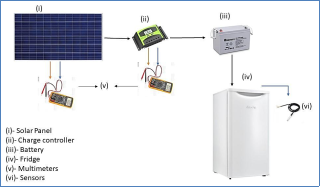
The experimental system consisted of a 92-liter domestic refrigerator equipped with a variable-speed Danfoss BD35F compressor using R-134a refrigerant. Power was supplied through a 200 Wp photovoltaic array comprising two 100 Wp monocrystalline solar panels connected in series. A 12 V, 50 Ah lead-acid battery provided energy storage for nighttime operation, while a charge controller regulated power flow.
Several monitoring instruments were employed. Solar irradiance was measured using a solar power meter. Voltage and current sensors monitored electrical performance. Temperature measurements were obtained using thermocouples and digital sensors positioned at the compressor, condenser, evaporator, and refrigerator interior. The setup was deployed in a hot-humid climate where average ambient temperatures ranged from 28°C to 32°C.
The experimental arrangement allowed researchers to capture both environmental and operational variables simultaneously, providing a comprehensive dataset for machine learning analysis.
Figure 1. The experimental setup of the DC solar fridge.
3.2. Data Collection and Processing
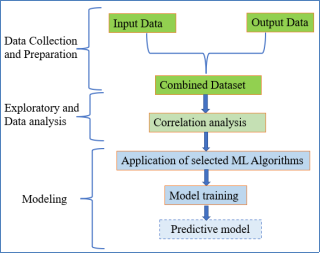
Data were collected at ten-minute intervals over three days of operation. Measurements included solar irradiance, voltage, current, ambient temperature, battery state of charge, compressor conditions, condenser temperature, evaporator temperature, and cabinet temperature. These variables were used to calculate power input, coefficient of performance, and refrigerating capacity.
Data preprocessing involved cleaning, outlier removal, feature selection, and normalization. Outliers resulting from sensor errors were identified using the interquartile range method. Correlation analysis was conducted using Pearson and Spearman coefficients to identify important relationships among variables. Python programming tools were used throughout the preprocessing and analytical stages.
A dataset containing approximately 500 observations was prepared for machine learning model development. The dataset was divided into training, testing, and validation subsets to ensure robust model evaluation.
Pin=Vcc×Icc(1)
COP= h1-h4h2-h1(2)
CR=m (h1-h4)(3)
where h1-h4 represent enthalpies at key cycle stages, and is the refrigerant mass flow rate .
Figure 2. Steps used in data preparation and analysis for modeling in ML.
3.3. Correlation Analysis Findings
Correlation analysis revealed several important relationships. The strongest positive relationship was observed between coefficient of performance and refrigerating capacity, indicating that improvements in one metric are typically accompanied by improvements in the other.
Ambient temperature exhibited strong negative correlations with both coefficient of performance and refrigerating capacity. This finding confirms that higher temperatures increase thermal loads and reduce system efficiency. The result is particularly important for tropical regions where high temperatures are common.
Solar irradiance demonstrated a more complex relationship. Moderate positive Pearson correlations suggested that increased irradiance generally improves performance. However, strong negative Spearman relationships indicated nonlinear behavior. This suggests that solar irradiation influences performance through mechanisms that are not strictly linear.
Electrical variables also contributed significantly. Current showed moderate negative relationships with efficiency metrics, while voltage exhibited weak positive relationships. Battery state of charge displayed relatively weak correlations, indicating that the refrigerator maintained fairly stable performance across varying battery levels.
Table 1. Selected statistical metrics for Correlation Analysis.

Correlation Coefficient

Equation

Description

Person Correlation Coefficient (r)

r= (xi-x̅)(yi - y̅)(xi-x ̅)2(yi - y ̅)2

Evaluates the linear association between two continuous variables (Coeff. lies between −1 to +1). Coeff. of −1 represents a perfect negative linear association, +1 denotes a perfect positive linear association, and 0 denotes the absence of a linear association (Schober et al., 2018)

Spearman Rank Correlation Coefficient (ρ)

ρ = 1-6di2n(n2-1)

Evaluates the rank correlation between two variables with a non-linear relationship (monotonic). It ranges from - 1 to +1 where: +1 indicates positive perfect positive monotonic relationship, -1 indicates perfect negative monotonic relationship, and a 0 indicates no monotonic relationship (Schober et al., 2018)

3.4. Thermodynamic Performance Results
The experimental investigation evaluated refrigerator performance under different ambient temperatures. The maximum coefficient of performance observed during testing was approximately eight. The relationship between evaporator temperature and coefficient of performance was strongly positive. Higher evaporator temperatures reduced compressor workload and improved efficiency. Conversely, condenser temperature showed a strong negative relationship with performance. As condenser temperature increased, coefficient of performance declined dramatically. This result emphasizes the importance of effective heat rejection and condenser cooling in tropical environments. The analysis demonstrated that condenser management is more critical than evaporator management for improving solar refrigerator performance in hot climates. Enhanced airflow, improved heat exchanger design, and adaptive cooling strategies could significantly improve efficiency.
3.5. Machine Learning Methodology
Three machine learning algorithms were implemented: Artificial Neural Networks, Random Forest Regression, and Support Vector Regression. Each model was trained using environmental and operational variables as inputs.
The ANN architecture consisted of three hidden layers with 32, 64, and 32 neurons respectively. Rectified Linear Unit activation functions were used. The model was trained using a dataset split into training, validation, and testing subsets. The ANN equation is given by Equation (4) .
y=f(i=1nwi.xi+b)(4)
The SVR model employed a radial basis function kernel. Key hyperparameters included a regularization parameter of one and an epsilon value of 0.1. This configuration enabled the model to capture nonlinear relationships while controlling overfitting. The SVR equation is given by Equation (5) (Gil-Vera & Quintero-López, 2023; Xu et al., 2014).
y=f(i=1NαK(xi, x)+b)(5)
The Random Forest model utilized one hundred decision trees with a maximum depth of ten. Solar irradiance and ambient temperature were prioritized as important predictor variables. Cross-validation techniques were applied to all models to ensure robustness and generalizability. The RFR equation is given by Equation (7) (Gil-Vera & Quintero-López, 2023).
y=f(1Ni=1N(jTwj.yj)(6)
3.6. Model Evaluation Metrics
Model performance was assessed using Mean Absolute Error, Root Mean Square Error, Mean Absolute Percentage Error, and the coefficient of determination. These metrics provide complementary perspectives on prediction quality. The coefficient of determination measures the proportion of variance explained by the model. Higher values indicate stronger predictive capability. Root Mean Square Error quantifies prediction errors while placing greater emphasis on large deviations. Mean Absolute Error provides an intuitive measure of average prediction accuracy. Mean Absolute Percentage Error expresses errors as percentages, enabling comparison across variables.
Together, these metrics provide a comprehensive framework for comparing machine learning algorithms and selecting the most effective model for each performance indicator.
Table 2. Machine Learning Model Evaluation Results.

ML model values for Power input (Pin)

For Coefficient of performance (COP)

For Refrigerating Capacity (CR)

Metrics

ANN

RFR

SVR

ANN

RFR

SVR

ANN

RFR

SVR

MSE

0.1

3.16

0.17

2.1

2.46

8.95

70.4

83.79

221.85

RMSE

0.32

1.77

0.41

1.45

1.57

2.99

8.39

9.15

19.89

MAE

0.131

0.02

0

0.0322

1.13

2.43

0.003924

6.63

11.37

MAPE

0.0068

1.19

0.26

1.446

1.13

0.37

0.00077

0.02

0.03

R-squared

0.934

0.89

0.99

0.85

0.83

0.38

0.6821

0.71

0.22

4. Results and Discussion
The following subsections present the results obtained from the correlation analysis, followed by the machine learning model evaluation and discussion of key performance insights.
4.1. Correlation Test Results
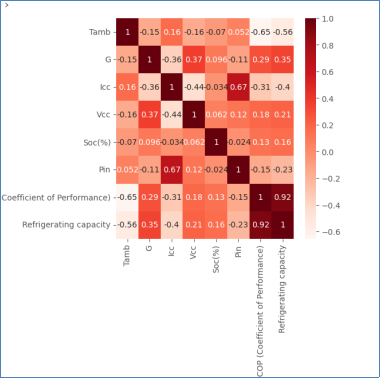
The statistical correlation between the dataset for all variables is shown in a seaborn correlation heatmap shown in Figure 3. The correlation heatmap presents a comprehensive visualization of the relationships between various factors influencing the coefficient of performance as well as the refrigeration capacity of the DC refrigerator. Table 3 presents a correlation analysis between selected parameters, utilizing both Spearman’s rank correlation coefficient (ρ) and Pearson’s correlation coefficient (r). The correlation analysis of the experimental data reveals several significant relationships governing the performance of the DC solar-powered domestic refrigerator in hot-humid climates. The coefficient of performance (COP) and refrigerating capacity (CR) demonstrate an exceptionally strong positive correlation (0.92), indicating that these two performance metrics are intrinsically linked. This finding aligns with prior experimental and review studies to confirm that refrigeration system efficiency parameters (e.g., COP, CR) typically move in tandem under normal operating conditions . Ambient temperature (Tamb) exhibits strong negative correlations with both COP (-0.65) and CR (-0.56), confirming the assertions ofand that thermal conditions significantly impact refrigeration efficiency in tropical environments. This temperature sensitivity underscores the critical importance of thermal insulation and proper system placement in hot-humid climates.
Solar irradiation (G) displays an interesting relationship with system performance, showing moderate positive Pearson correlations with COP (0.29) and CR (0.35), while simultaneously exhibiting strong negative Spearman rank correlations. This apparent contradiction suggests a complex non-linear relationship where the system's response to increasing irradiation follows patterns similar to the study findings by in their work on performance investigation of vapor compression refrigeration system. The electrical parameters reveal that current (Icc) has moderate negative correlations with COP (-0.31) and CR (-0.40), while voltage (Vcc) shows weak positive correlations with these metrics (0.18 and 0.21 respectively). These findings complement research on DC refrigeration systems, which highlighted the importance of optimal electrical operating conditions.
The battery's state of charge (Soc%) demonstrates relatively weak correlations with performance metrics (0.13 with COP and 0.16 with refrigerating capacity), suggesting that the system maintains fairly consistent performance across different battery charge levels. This characteristic aligns with the findings of in their study of a PV‑powered variable‑speed DC fridge integrated with phase‑change material, which reported stable refrigeration performance (COP of 3.6) across load and battery conditions. Power input (Pin) exhibits a noteworthy strong correlation with current (0.67) while showing weak negative correlations with performance metrics, indicating that higher power consumption doesn't necessarily translate to improved refrigeration performance. This efficiency consideration echoes the conclusions of who investigated a solar‑powered VISI cooler with a DC compressor: they found that reducing power draw (via phase‑change material) improved overall efficiency, even under solar‑battery operation. The moderate negative correlation between voltage and current (-0.44) suggests voltage regulation or impedance effects that are consistent with the electrical behaviors documented by in their operational study of DC inverter heat‑pump systems under variable solar PV bus voltage. They demonstrated that as bus voltage fluctuates, current draw adjusts inversely to maintain system stability.
These correlation results provide valuable insights for optimizing DC solar-powered refrigerators in hot-humid climates. The findings emphasize the need for enhanced thermal management strategies to mitigate the negative impact of high ambient temperatures, proper sizing of solar power systems to account for the complex relationship with irradiation, and appropriate electrical component selection to maintain efficient operation. As suggested by such optimization strategies are essential for improving the reliability and performance of solar refrigeration systems in challenging environmental conditions.
Figure 3. Seaborn Heatmap of Correlation Analysis Results.
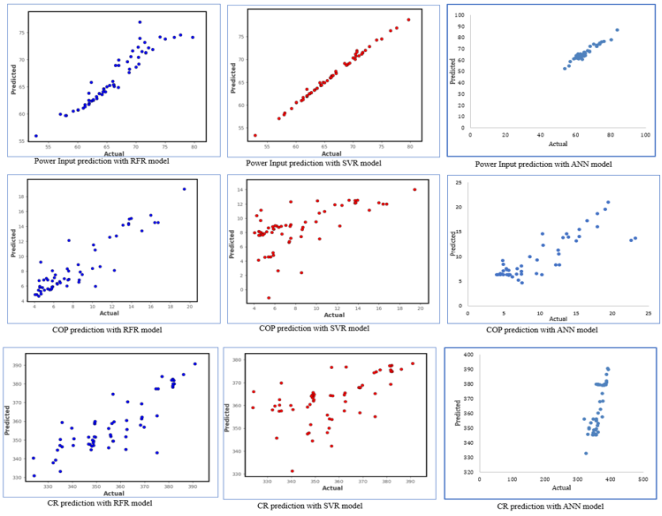
Figure 4. A scatter plot comparing predicted versus actual values for the ML models.
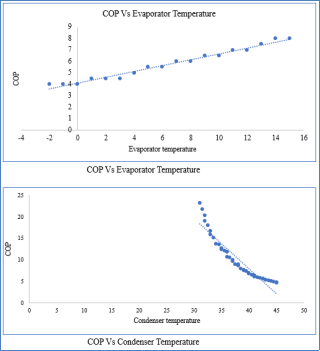
Table 3. Pearson and Spearman Correlation Test Results.

Power Input

Coefficient of performance (COP)

Refrigerating Capacity (CR)

Input Variable

r

ρ

r

ρ

R

ρ

Solar Irradiation (G)

-1

0.1

-1

0.995

-1

0.994

Current (Icc)

0.6604

0.786

-0.2883

-0.354

-0.3647

0.0001

Voltage (Vcc)

0.1142

0.0807

0.1528

0.187

0.1613

0

State of Charge (Soc)

0.0053

-0.01843

0.1383

0.0551

0.144

0

Ambient Temperature (Tamb)

0.0494

0.154

-0.6558

-0.48

-0.4966

0

4.2. Performance of the DC Solar Refrigerator
Three days of testing were conducted to find the DC solar fridge's coefficient of performance. The recorded ambient temperatures during that time were 27°C, 28°C, and 30°C, respectively. Eight is the maximum coefficient of performance (COP) that was attained. The recorded ambient temperature of 30°C had the greatest COP of 8 under lab conditions. The COP increases as the surrounding temperature rises. The graph of the COP against the evaporator temperature as well as the condenser temperature is displayed in Figure 4. The graphical results depicting the relationship between the coefficient of performance (COP) and key temperature parameters offer valuable insights into the thermal behavior of the DC solar-powered refrigerator system. The first graph demonstrates a clear positive linear correlation between evaporator temperature and COP, with values ranging from approximately 4.0 at -2°C to 8.0 at 15°C. This relationship aligns with fundamental thermodynamic principles as described by , where higher evaporator temperatures reduce the work required by the compressor relative to the cooling effect produced. The observed trend corroborates findings by , who noted that each 1°C increase in evaporator temperature typically yields a 2-4% improvement in system COP for small-scale refrigeration systems. This positive correlation is particularly significant for solar applications, as a study by demonstrated that operating with slightly higher evaporator temperatures can substantially improve overall system efficiency without significantly compromising cooling capacity, achieving COP gains up to 14% in hot-dry tropical conditions.
The second graph illustrates the inverse relationship between condenser temperature and COP, showing a pronounced non-linear decline in performance as condenser temperatures increase. The COP decreases dramatically from approximately 23 at 28°C to about 5 at 45°C, following an exponential decay pattern. This relationship is consistent with experimental studies, which established that the efficiency penalty from elevated condenser temperatures becomes increasingly severe above 35°C, establishing that the efficiency penalty from elevated condenser temperatures becomes increasingly severe above 35°C, a critical consideration for hot-humid climate applications. The pronounced performance degradation at higher condenser temperatures aligns with observations by , who found that condenser effectiveness becomes the dominant factor limiting system performance in tropical environments. This finding is particularly relevant for solar refrigeration systems in hot-humid climates, as highlighted by , who emphasized that condenser performance represents a primary bottleneck in these applications.
The combined analysis of these two temperature relationships reveals important design considerations for optimizing DC solar refrigerators. The nearly fourfold difference in COP across the measured condenser temperature range (5-23) compared to the approximately twofold difference across the evaporator temperature range (4-8°C) underscores the critical importance of prioritizing condenser thermal management over evaporator control in solar refrigeration design for tropical regions. These results support the recommendation from for implementing enhanced condenser cooling strategies, such as improved airflow or even supplementary evaporative cooling in extremely hot environments. Furthermore, the data validate the finding by that adaptive control strategies adjusting compressor operation based on condenser temperature conditions could significantly improve overall system efficiency by avoiding operation during the most unfavorable thermal conditions when solar energy might be abundant but cooling efficiency is severely compromised. These experimental findings provide critical guidance for solar refrigerator design optimization in hot-humid climates, particularly highlighting the importance of thermal management strategies focused on condenser performance while maintaining appropriate evaporator temperatures. As noted by , such optimizations are essential for maximizing the sustainable performance of solar refrigeration systems in challenging environmental conditions where both high ambient temperatures and solar resource variability must be effectively managed.
Figure 5. A Graph of the COP against the evaporator temperature and COP against condenser temperature.

4.3. Limitations
Several limitations were acknowledged. The dataset consisted of approximately 500 observations collected over a relatively short period. Although sufficient for model development, a larger dataset would improve robustness and generalizability.
The experiments were conducted primarily under clear-sky conditions. Real-world weather variability, including cloud cover and seasonal changes, was not fully represented. Additional studies spanning multiple seasons would provide a more comprehensive understanding of system behavior.
4.4. Future Research Directions
Future research should focus on collecting long-term datasets covering diverse climatic conditions. Larger datasets would enable more sophisticated machine learning approaches, including deep learning and ensemble methods.
Researchers should investigate hybrid modeling frameworks that combine physical thermodynamic principles with data-driven learning. Such approaches may improve interpretability while maintaining predictive accuracy.
5. Conclusion
This study developed and evaluated machine learning (ML) models for predicting the performance of a DC solar-powered domestic refrigerator in hot-humid climates, addressing critical gaps in the literature regarding intermittent solar energy and dynamic environmental conditions. The experimental results demonstrated the system's sensitivity to ambient temperature and solar irradiance, with the coefficient of performance (COP) showing a strong negative correlation with ambient temperature (-0.65) and a complex, non-linear relationship with solar irradiation. These findings underscore the challenges of operating solar refrigeration systems in tropical climates and highlight the need for adaptive thermal management strategies, particularly for condenser cooling, to mitigate efficiency losses. Three ML algorithms (Artificial Neural Network, Random Forest Regression, and Support Vector Regression) were evaluated for predicting power input (Pin), COP, and refrigerating capacity (CR). SVR outperformed other models for power input prediction (R2 = 0.99, RMSE = 0.41), while ANN achieved the highest accuracy for COP (R2 = 0.85, RMSE = 1.45). RFR exhibited moderate performance for refrigerating capacity (R2 = 0.71), though all models struggled with this parameter due to its dependence on transient thermal dynamics. These results suggest that a hybrid modeling approach, leveraging the strengths of each algorithm for specific tasks, could optimize predictive performance.
This study thus provides critical climate-specific insights by empirically validating how hot-humid conditions affect solar refrigerator performance, highlighting the importance of condenser-targeted thermal management. It also demonstrates the effectiveness of machine learning, particularly ANN and SVR, in addressing the system's intermittency and non-linearity where SVR showed superior accuracy in power input prediction. Additionally, the research offers a scalable approach for incorporating real-world environmental data into ML models, supporting more informed system design, policy decisions, and operational strategies. However, the study's reliance on clear-sky data and a limited dataset (500 samples) may affect generalizability. Future research should incorporate longer-term, real-world operational data across diverse weather conditions and explore hybrid or ensemble ML techniques to improve predictions of refrigerating capacity. Additionally, integrating the developed models into adaptive control systems could enhance real-time performance optimization. This study advances the application of ML in solar refrigeration, providing a foundation for more reliable and efficient off-grid cooling solutions in energy-vulnerable regions. The findings contribute to the sustainable adoption of solar-powered refrigeration in hot-humid climates.
Abbreviations

ANN

Artificial Neural Network

COP

Coefficient of Performance

DC

Direct Current

IQR

Interquartile Range

MAE

Mean Absolute Error

MAPE

Mean Absolute Percentage Error

ML

Machine Learning

MSE

Mean Squared Error

PV

Photovoltaic

RBF

Radial Basis Function

RFR

Random Forest Regression

RMSE

Root Mean Square Error

SOC

State of Charge

SPDR

Solar Powered Display Refrigerator

SVM

Support Vector Machine

SVR

Support Vector Regression

TRNSYS

Transient System Simulation Tool

VCR

Vapor Compression Refrigeration

Author Contributions
Joseph Kwarteng Acheampong: Conceptualization, Resources, Data curation, Formal Analysis
Theophilus Frimpong Adu: Data curation, Methodology
Daniel Marfo: Formal Analysis, Investigation
Conflicts of Interest
The authors declare no conflicts of interest.
References
[1] Abdul-Wahab, S. A., Elkamel, A., Al-Damkhi, A. M., Al-Habsi, I. A., Al-Rubai’ey’, H. S., Al-Battashi, A. K., Al-Tamimi, A. R., Al-Mamari, K. H., & Chutani, M. U. (2009a). Design and experimental investigation of portable solar thermoelectric refrigerator. Renewable Energy, 34(1), 30-34.
[2] Amaris, C., Barbosa, F., & Balbis, M. (2023). Energy Performance Analysis of a Solar Refrigerator Using Ecological Refrigerants. Journal of Sustainable Development of Energy, Water and Environment Systems, 11(2), 1-25.
[3] Aprea, C., & Maiorino, A. (2008). An experimental evaluation of the transcritical CO2 refrigerator performances using an internal heat exchanger. International Journal of Refrigeration, 31(6), 1006-1011.
[4] Bakirci, K. (2009). Models of solar radiation with hours of bright sunshine: A review. Renewable and Sustainable Energy Reviews, 13(9), 2580-2588.
[5] Barbosa, J. R. (2011). Recent Developments in Vapor Compression Technologies for Small Scale Refrigeration Applications. ASME 2011 9th International Conference on Nanochannels, Microchannels, and Minichannels, Volume 2, 459-471.
[6] Bellos, E., & Tzivanidis, C. (2018). Investigation of the Environmentally-Friendly Refrigerant R152a for Air Conditioning Purposes. Applied Sciences, 9(1), 119.
[7] Bhutta, M. S., Li, Y., Abubakar, M., Almasoudi, F. M., Alatawi, K. S. S., Altimania, M. R., & Al-Barashi, M. (2024a). Optimizing solar power efficiency in smart grids using hybrid machine learning models for accurate energy generation prediction. Scientific Reports, 14(1), 17101.
[8] Celen, A., Çebi, A., Aktas, M., Mahian, O., Dalkilic, A. S., & Wongwises, S. (2014). A review of nanorefrigerants: Flow characteristics and applications. International Journal of Refrigeration, 44, 125-140.
[9] Chavan, S. S. (2022). Solar Based Thermoelectric Refrigerator Using Peltier Module. International Journal for Research in Applied Science and Engineering Technology, 10(1), 1043-1046.
[10] El-Bahloul, A. A. M., Ali, A. H. H., & Ookawara, S. (2015a). Performance and Sizing of Solar Driven dc Motor Vapor Compression Refrigerator with Thermal Storage in Hot Arid Remote Areas. Energy Procedia, 70, 634-643.
[11] Eltawil, M. A., Mohammed, M., & Alqahtani, N. M. (2023). Developing Machine Learning-Based Intelligent Control System for Performance Optimization of Solar PV-Powered Refrigerators. Sustainability, 15(8), 6911.
[12] Gil-Vera, & Quintero-López. (2023). Predictive Modeling of Photovoltaic Solar Power Generation. WSEAS TRANSACTIONS ON POWER SYSTEMS, 18, 71-81.
[13] Guene, Z., Tubreoumya, G. C., Tiendrebeogo, E. S., Bailou, O., Haro, K., Ouarama, I., Compaore, A., & Dissa, A. O. (2023a). Study of the Performance of a Solar Refrigerator Using a Silica Gel-water Combination. Current Journal of Applied Science and Technology, 42(33), 12-20.
[14] Huang, C.-Y., & Huang, C.-J. (2014). A study of photovoltaic thermal (PV/T) hybrid system with computer modeling. International Journal of Smart Grid and Clean Energy, 3(1), 75-79.
[15] Husainy, A. S. N., Patil, S. A., Sinfal, A. S., Mujawar, V. M., & Sinfal, C. S. (2023). Parameter Optimization of Refrigeration Chiller by Machine Learning. Asian Journal of Electrical Sciences, 12(1), 39-45.
[16] I. Lafuenti, G. Colangelo, M. Milanese, & A. De Risi. (2024). New Solutions for the Use of Solar Cooling in Hot and Humid Weather Conditions. RE&PQJ, 10(3).
[17] Jabbar, M. W., Naeem, M. H., Muneer, A., Rehman, U., & Riaz, T. (2022a). Solar Powered DC Refrigerator for Small Scale Applications. The 1st International Conference on Energy, Power and Environment, 98.
[18] Kaiprath, J., & V. V., K. K. (2023). A review on solar photovoltaic-powered thermoelectric coolers, performance enhancements, and recent advances. International Journal of Air-Conditioning and Refrigeration, 31(1), 6.
[19] Kelvin Edem Bassey. (2023). HYBRID RENEWABLE ENERGY SYSTEMS MODELING. Engineering Science & Technology Journal, 4(6), 571-588.
[20] Konfe, A., Nana, G. G., Ouedraogo, S., & Kam, S. (2023). Establishment of a Model for the Calculation of the COP of a Solar Adsorption Refrigerator. Smart Grid and Renewable Energy, 14(11), 197-208.
[21] Kumar, K. S., Vasanthi, R., Shakir, M., Munimathan, A., Manirathnam, A. S., Alam, M. M., Rajendran, P., & Lee, I. E. (2025). Experimental investigation to enhancing the energy efficiency of a solar-powered Visi cooler. Scientific Reports, 15(1).
[22] Kuś, J., Rudykh, K., Kobas, M., Żołądek, M., Sendłak, S., Gumułka, M., & Sornek, K. (2019). Solar-driven Refrigerator for off-grid Regions. E3S Web of Conferences, 103, 01001.
[23] Le, T. T., Paramasivam, P., Adril, E., Nguyen, V. Q., Le, M. X., Duong, M. T., Le, H. C., & Nguyen, A. Q. (2024). Unlocking renewable energy potential: Harnessing machine learning and intelligent algorithms. International Journal of Renewable Energy Development, 13(4), 783-813.
[24] Li, S., & Lu, J. (2022). A Theoretical Comparative Study of Vapor-Compression Refrigeration Cycle using Al2O3 Nanoparticle with Low-GWP Refrigerants. Entropy, 24(12), 1820.
[25] Luerssen, C., Sekhar, C., Cheong, D., & Reindl, T. (2020). Solar-Powered Cooling for the Remote Tropics. In O. Gandhi & D. Srinivasan (Eds.), Sustainable Energy Solutions for Remote Areas in the Tropics (pp. 31-62). Springer International Publishing.
[26] M. Senthil Kumaran, V. Vaithianathan, Pavithra Guru, K. M. (2024). Optimizing Solar Panel Systems using Machine Learning and Ant Colony Optimization. Journal of Electrical Systems, 20(3s), 238-248.
[27] McCarney, S., Robertson, J., Arnaud, J., Lorenson, K., & Lloyd, J. (2013). Using solar-powered refrigeration for vaccine storage where other sources of reliable electricity are inadequate or costly. Vaccine, 31(51), 6050-6057.
[28] Mustafa, A. T., & Ja’afar, B. M. (2009b). Experimental Study of Ambient Air Temperature Effects on The Performance of a General Vapor-Compression Refrigeration Cycle. Tikrit Journal of Engineering Sciences, 16(3), 26-33.
[29] Nasrullah, N., & Hamdy, M. A. (2024). Air Conditioning Energy Efficiency and Thermal Comfort in Hotel Buildings in Hot and Humid Tropical Climates: The Case Study of Makassar City Coastal Area Hotel, South Sulawesi, Indonesia. Engineering, Technology & Applied Science Research, 14(6), 18290-18299.
[30] Nguyen, T., & Dang, T. (2018). The Effects of Mass Flow Rate on the Performance of a Microchannel Evaporator Using CO2 Refrigerant. 2018 4th International Conference on Green Technology and Sustainable Development (GTSD), 399-403.
[31] Oyieke, A. Y. A., & Inambao, F. L. (2016). Performance Characterisation of a Hybrid Flat-Plate Vacuum Insulated Photovoltaic/Thermal Solar Power Module in Subtropical Climate. International Journal of Photoenergy, 2016, 1-15.
[32] Punchihewa, K. U. C., Abeynayake, A. A. D. I., Weerasinghe, T. S., Wijewardane, A., Amarasinghe, S., & Jayasekara, J. A. G. S. (2023). Applicability of Eco-friendly Solar Adsorption Refrigeration Systems to reduce the energy consumption in industrial refrigeration applications. 2023 Moratuwa Engineering Research Conference (MERCon), 225-230.
[33] Radhi, M. M., Johain, J. F., & Khalifa, A.-H. N. (2021). Experimental study of cold storage packed domestic refrigerator with solar powered variable speed compressor. IOP Conference Series: Materials Science and Engineering, 1105(1), 012060.
[34] Reddy, Y. S., Sekar, A., & Nachiar, S. S. (2024). Predictive analysis of foam concrete compressive strength: A comparative study of OLS and SVR with K-fold validation. Asian Journal of Civil Engineering, 25(3), 2599-2608.
[35] Remlaoui, A., Nehari, D., Laissaoui, M., & Sandid, A. M. (2020). Performance evaluation of a solar thermal and photovoltaic hybrid system powering a direct contact membrane distillation: TRNSYS simulation. Desalination and Water Treatment, 194, 37-51.
[36] Riffat, J., Kutlu, C., Brito, E. T., Su, Y., & Riffat, S. (2021). Performance Analysis of a PV Powered Variable Speed DC Fridge Integrated with PCM for Weak/Off-Grid Setting Areas. Future Cities and Environment, 7(1).
[37] Rupa, G. S., Nuvvula, R. S. S., Kumar, P. P., Ali, A., & Khan, B. (2024). Machine Learning-Based Optimization Techniques for Renewable Energy Systems. 2024 12th International Conference on Smart Grid (icSmartGrid), 389-394.
[38] Saha, G., & Azad, A. A. M. (2024). A review of advancements in solar PV-powered refrigeration: Enhancing efficiency, sustainability, and operational optimization. Energy Reports, 12, 1693-1709.
[39] Salilih, E. M., Birhane, Y. T., & Abu-Hamdeh, N. H. (2020). Performance prediction of a solar refrigeration system under various operating pressures of the evaporator and condenser. Solar Energy, 209, 485-492.
[40] Santosa, I., Waisnawa, I., Sunu, P., Suarsana, I., & Wiguna, I. (2021a). Analysis of the Performance of a Full Direct Current (DC) Refrigerator at Medium Temperature. Proceedings of the 4th International Conference on Applied Science and Technology on Engineering Science, 41-46.
[41] Saoud, A., Boukhchana, Y., & Fellah, A. (2024). Thermal and parametric investigation of solar-powered single-effect absorption cooling system. Journal of Thermal Analysis and Calorimetry, 149(14), 7469-7484.
[42] Sarbu, I., & Sebarchievici, C. (2013). Review of solar refrigeration and cooling systems. Energy and Buildings, 67, 286-297.
[43] Sobamowo, G. M., Ewansiha, A. G., Jemiseye, A. E., Yinusa, A. A., Ojuro, J. N., Fawumi, R. O., Gbadamosi, R. O. O., & Oyedele, O. M. (2023). Challenges of energy storage devices in off-grid solar photovoltaic cold-chain systems for COVID-19 vaccine preservation in developing countries. International Journal of Petrochemical Science & Engineering, 6(1), 85-90.
[44] Su, P., Ji, J., Cai, J., Gao, Y., & Han, K. (2020a). Dynamic simulation and experimental study of a variable-speed photovoltaic DC refrigerator. Renewable Energy, 152, 155-164.
[45] Sulaiman, A. Y., Obasi, G. I., Chang, R., Moghaieb, H. S., Mondol, J. D., Smyth, M., Kamkari, B., & Hewitt, N. J. (2023). A solar powered off-grid air conditioning system with natural refrigerant for residential buildings: A theoretical and experimental evaluation. Cleaner Energy Systems, 5, 100077.
[46] Ullah, K. R., Saidur, R., Ping, H. W., Akikur, R. K., & Shuvo, N. H. (2013). A review of solar thermal refrigeration and cooling methods. Renewable and Sustainable Energy Reviews, 24, 499-513.
[47] Yogesh Joshi, Dinesh Zanwar, & Sandeep Joshi. (2021). Performance investigation of vapor compression refrigeration system using R134a and R600a refrigerants and Al2O3 nanoparticle-based suspension. Materials Today: Proceedings, 44, 1511-1519.
[48] Yuan, D.-D., Li, M., Li, H.-Y., Lin, C.-J., & Ji, B.-X. (2022). Wind Power Prediction Method: Support Vector Regression Optimized by Improved Jellyfish Search Algorithm. Energies, 15(17), 6404.
[49] Zhang, F., Deb, C., Lee, S. E., Yang, J., & Shah, K. W. (2016). Time series forecasting for building energy consumption using weighted Support Vector Regression with differential evolution optimization technique. Energy and Buildings, 126, 94-103.
Cite This Article
  • APA Style

    Acheampong, J. K., Adu, T. F., Marfo, D. (2026). Performance Prediction of Solar-Powered Domestic Fridge in Hot-Humid Climates Using Machine Learning. International Journal of Electrical Components and Energy Conversion, 11(2), 29-40. https://doi.org/10.11648/j.ijecec.20261102.11

    Copy | Download

    ACS Style

    Acheampong, J. K.; Adu, T. F.; Marfo, D. Performance Prediction of Solar-Powered Domestic Fridge in Hot-Humid Climates Using Machine Learning. Int. J. Electr. Compon. Energy Convers. 2026, 11(2), 29-40. doi: 10.11648/j.ijecec.20261102.11

    Copy | Download

    AMA Style

    Acheampong JK, Adu TF, Marfo D. Performance Prediction of Solar-Powered Domestic Fridge in Hot-Humid Climates Using Machine Learning. Int J Electr Compon Energy Convers. 2026;11(2):29-40. doi: 10.11648/j.ijecec.20261102.11

    Copy | Download

  • @article{10.11648/j.ijecec.20261102.11,
      author = {Joseph Kwarteng Acheampong and Theophilus Frimpong Adu and Daniel Marfo},
      title = {Performance Prediction of Solar-Powered Domestic Fridge in Hot-Humid Climates Using Machine Learning},
      journal = {International Journal of Electrical Components and Energy Conversion},
      volume = {11},
      number = {2},
      pages = {29-40},
      doi = {10.11648/j.ijecec.20261102.11},
      url = {https://doi.org/10.11648/j.ijecec.20261102.11},
      eprint = {https://article.sciencepublishinggroup.com/pdf/10.11648.j.ijecec.20261102.11},
      abstract = {The intermittent nature of solar energy and dynamic environmental conditions pose significant challenges to the performance and reliability of solar-powered refrigeration systems in hot-humid climates. While traditional thermodynamic models offer limited predictive capability under real-world variability, machine learning (ML) presents a promising alternative for addressing these complexities. This study develops and evaluates ML-based models to predict the performance of a 92-liter DC solar-powered domestic refrigerator, focusing on power input (Pin), coefficient of performance (COP), and refrigerating capacity (CR). Experimental data, including solar irradiance, ambient temperature, and system operational parameters, were collected at 10-minute intervals under hot-humid conditions. Three ML algorithms: Artificial Neural Network (ANN), Random Forest Regression (RFR), and Support Vector Regression (SVR) were trained and validated using a dataset of 500 samples. Key findings reveal that ambient temperature strongly influences system performance, exhibiting a negative correlation with COP (-0.65) and CR (-0.56), while solar irradiance shows a non-linear relationship with these metrics. Among the models, SVR demonstrated exceptional accuracy for power input prediction (R2 = 0.99, RMSE = 0.41), whereas ANN achieved the highest performance for COP prediction (R2 = 0.85, RMSE = 1.45). RFR emerged as the most robust for refrigerating capacity estimation (R2 = 0.71), though all models faced challenges due to the parameter's transient dependence. The results highlight the potential of hybrid ML approaches to optimize solar refrigeration systems in climate-specific scenarios. This study contributes a scalable, data-driven framework for performance prediction, offering practical insights for system design, adaptive control strategies, and policy recommendations to enhance the adoption of solar refrigeration in off-grid and energy-insecure regions. The limitations of dataset size and weather variability are acknowledged, suggesting avenues for future research, including long-term real-world validation and ensemble modeling.},
     year = {2026}
    }
    

    Copy | Download

  • TY  - JOUR
    T1  - Performance Prediction of Solar-Powered Domestic Fridge in Hot-Humid Climates Using Machine Learning
    AU  - Joseph Kwarteng Acheampong
    AU  - Theophilus Frimpong Adu
    AU  - Daniel Marfo
    Y1  - 2026/09/09
    PY  - 2026
    N1  - https://doi.org/10.11648/j.ijecec.20261102.11
    DO  - 10.11648/j.ijecec.20261102.11
    T2  - International Journal of Electrical Components and Energy Conversion
    JF  - International Journal of Electrical Components and Energy Conversion
    JO  - International Journal of Electrical Components and Energy Conversion
    SP  - 29
    EP  - 40
    PB  - Science Publishing Group
    SN  - 2469-8059
    UR  - https://doi.org/10.11648/j.ijecec.20261102.11
    AB  - The intermittent nature of solar energy and dynamic environmental conditions pose significant challenges to the performance and reliability of solar-powered refrigeration systems in hot-humid climates. While traditional thermodynamic models offer limited predictive capability under real-world variability, machine learning (ML) presents a promising alternative for addressing these complexities. This study develops and evaluates ML-based models to predict the performance of a 92-liter DC solar-powered domestic refrigerator, focusing on power input (Pin), coefficient of performance (COP), and refrigerating capacity (CR). Experimental data, including solar irradiance, ambient temperature, and system operational parameters, were collected at 10-minute intervals under hot-humid conditions. Three ML algorithms: Artificial Neural Network (ANN), Random Forest Regression (RFR), and Support Vector Regression (SVR) were trained and validated using a dataset of 500 samples. Key findings reveal that ambient temperature strongly influences system performance, exhibiting a negative correlation with COP (-0.65) and CR (-0.56), while solar irradiance shows a non-linear relationship with these metrics. Among the models, SVR demonstrated exceptional accuracy for power input prediction (R2 = 0.99, RMSE = 0.41), whereas ANN achieved the highest performance for COP prediction (R2 = 0.85, RMSE = 1.45). RFR emerged as the most robust for refrigerating capacity estimation (R2 = 0.71), though all models faced challenges due to the parameter's transient dependence. The results highlight the potential of hybrid ML approaches to optimize solar refrigeration systems in climate-specific scenarios. This study contributes a scalable, data-driven framework for performance prediction, offering practical insights for system design, adaptive control strategies, and policy recommendations to enhance the adoption of solar refrigeration in off-grid and energy-insecure regions. The limitations of dataset size and weather variability are acknowledged, suggesting avenues for future research, including long-term real-world validation and ensemble modeling.
    VL  - 11
    IS  - 2
    ER  - 

    Copy | Download

Author Information