Research Article | | Peer-Reviewed

The Impact of Parent-Teachers Association (PTA) Collaboration on Root Causes of Delinquency and Disciplinary Measures in Secondary Schools in Benue State

Received: 9 August 2026     Accepted: 21 August 2026     Published: 9 September 2026
Views:       Downloads:
Abstract

The study evaluated the impact of Parent-Teachers Association (PTA) collaboration on identifying root causes of delinquency and reinforcing disciplinary measures in secondary schools in Apa and Agatu Local Government Areas of Benue State. The study was guided by one research question and one testable hypothesis. To examine the target population of 2,005 individuals, this research adopted a descriptive survey design. This population included 80 teachers, 45 principals, and 1,880 parents drawn from 45 schools and surrounding communities. A 25% sample of 488 participants was then selected, which included 15 principals, 45 teachers and 428 parents. The selection process combined purposive and stratified random sampling methods. Impact of Parent-Teachers Association Collaboration on Identifying Root Causes of Delinquency and Reinforcing Disciplinary Measures Questionnaire (IPTACIRDRMQ) served as the data collection instrument. The research findings were analysed using frequencies and percentages, alongside bar chart for visual clarity. To evaluate the hypothesis, an inferential analysis was performed using the chi-square test (α = 0.05). The study showed that Parent-Teachers Association contribution has a significant impact on learners’ discipline χ 2 cal = 397.713, χ 2 crit = 16.919, df = 9, P=0.05>0.000. In light of the findings, the study offers the following recommendations: The school management should ensure a smooth relationship with the Parent-Teachers Association to enhance further synergy in the area of learner behaviour. Teachers must take parental feedback seriously, as families view educators as better equipped to guide learner behaviour. While the Parent-Teachers Association plays a vital role in addressing learner behaviour, the school management should work with them within the parameters of their status.

Published in International Journal of Education, Culture and Society (Volume 11, Issue 5)
DOI 10.11648/j.ijecs.20261105.13
Page(s) 216-223
Creative Commons

This is an Open Access article, distributed under the terms of the Creative Commons Attribution 4.0 International License (http://creativecommons.org/licenses/by/4.0/), which permits unrestricted use, distribution and reproduction in any medium or format, provided the original work is properly cited.

Copyright

Copyright © The Author(s), 2026. Published by Science Publishing Group

Keywords

Impact, PTA, Collaboration, Delinquency, Measures

1. Introduction
In every society of the world where people are intentional about progress and development, discipline is held in high esteem. opines that the necessity of disciplined behaviour in society is indisputable, noting that without it, individuals are unlikely to integrate successfully into the school environment. Social acceptance and friendship retention are largely dictated by a learner’s conduct. Therefore, strong self-discipline correlates with fewer academic difficulties. Learner discipline relies on a collaborative partnership between parents and teachers. When the foundational home discipline is absent, teachers face an amplified instructional and behavioural workload. A failure in school-level discipline undermines parental efforts at home. To address this, the Parent-Teachers Association (PTA) and school management work in tandem to regulate all behavioural matters. The task of learners’ development belongs exclusively to neither parents nor teachers. In line with this, contend that educational practices must recognise parents as a child’s primary educator; consequently, both parties must maintain a collaborative relationship centred on providing high quality education and upholding necessary discipline.
As primary custodians and foundational educators, parents serve as a child’s initial source of learning. This aligns with the findings of , who posit that the family functions as the premier social institution shaping childhood development and conduct. A collaborative partnership between parents and teachers is imperative to effectively guide a learner’s academic and behavioural progression. Parents delegate their caregiving responsibilities to teachers, who assume the role of in loco parentis for the duration of the school day . A segment of the learner population under the teachers’ supervision may display deviant behaviours.
A significant portion of secondary school learners in Nigeria display delinquent behaviours including truancy, theft, sexual promiscuity runaway incidents, defiance and substance abuse involving alcohol and illicit drugs. The increasing frequency of these misbehaviours has become a matter of serious concern with the educational sector . In many areas, the Parent-Teachers Associations are actively helping school management address this growing obstacle to efficient administration.
2. Literature Review
Delinquency refers to unlawful conduct within a specific jurisdiction. conceptualise delinquency as a deficit in both personal and social regulation. From this perspective, when personal and social systems fail to reinforce conformity to societal norms, individuals engage in prohibited behaviours that attract legal sanctions. Delinquency is a relative concept, as legal definitions vary significantly across countries. and support this view, noting that a learner’s actions may classify them as a delinquent in one nation but not in another. Ultimately, delinquency in one country might be entirely permissible in another. Essentially, it represents deviant behaviour that violates specific legal boundaries . Delinquency is often mistaken for crime; however, a delinquent is not a criminal, and therefore, delinquent behaviours are distinct from criminal offenses . Although many scholars use delinquency and crime interchangeably, this conflation is highly inaccurate when applied to learners. A learner who exhibits truancy, chronic lateness, or homework refusal is not a criminal; rather these actions fall under juvenile delinquency, which specifically applies to minors under the legal age of 18.
2.1. The Root Causes of Delinquency
The etiology of secondary school delinquency involves a complex interplay of individual, social, environmental, and familial factors. In adolescents, these delinquent behaviours vary widely in their severity, regularity, and context, frequently evolving into severe systematic and predatory offenses. Juvenile Delinquency stems from a myriad of factors including adolescent instability, impulsive behaviour, and the childhood trauma of sexual abuse, mental health imbalances, negative peer influence and high social suggestibility. It is further influenced by romantic exploration, media consumption, academic dissatisfaction, a lack of positive recreational outlets, and street life. Every learner is from a family.
2.1.1. Family Factor
The family, including parents and relative, serves as the primary agent of socialisation . It acts as a child’s initial gateway to the world, marking the start of a lifelong socialisation process. The central role reflects the view of Auguste Conte, the father of Sociology, who describes the family as the “immortal school of social life”. The family serves as a critical agent in a child’s development, such as prosocial behaviour, are fostered through supportive parental care, clear behavioural boundaries, active supervision, and strong emotional bonding. Conversely, deficiencies in these areas can steer adolescent toward delinquency. In addition, external environmental and community variables, including academic environments, substance abuse, overcrowding, peer pressure, developmental insecurities, psychological distress, heightened social suggestibility, relationship challenges and lack of recreational outlets, profoundly shape adolescents behaviour .
Research shows that dysfunctional home environments, low parental supervision, and exposure to domestic violence or substance abuse heavily drive delinquent behaviour among learners . Within these unstable households, children frequently mimic the antisocial behaviours they witness . This issue is worsened by modern societal pressure, which split parental focus between childcare and financial survival. As parents struggle to meet escalating family demands, crucial parental attention is compromised. Economic hardship often forces both parents to work extended hours outside the home simply to survive, leaving children entirely unsupervised. observe that learners that come from economically disadvantaged backgrounds face a much higher risk of engaging in delinquency.
A society is only healthy as its foundational families. While global advancements in knowledge and technology accelerate, they simultaneously disrupt core societal values. Modernity steadily erodes traditional family unity, structure, and cultural practices. Communities face rising rates of divorce, marital infidelity, and single-parent households. This domestic instability deeply impacts the development of young learners. A dysfunctional home environment directly manifests in a learner’s behaviour and psychological mindset. Children raised in single-parent households often face reduced parental engagement due to the inherent time constraints and stressors of solo parenting. Furthermore, assert that structural vulnerabilities of single-parent homes whether resulting from divorce, bereavement, or other circumstances can significantly elevate a child’s risk of engaging in delinquent behaviour.
2.1.2. The Dynamics of Peer Influence
Learners from economically disadvantaged backgrounds face severe resource limitations that directly hinder their academic and social development. Impoverished families frequently struggle to provide basic necessities, such as adequate nutrition, clothing, stable shelter, and educational funds; consequently, financial strain serves as a primary driver for high dropout rates, as parents are often unable to cover school fees. Left to navigate these hardships independently, many youth resort to illicit survival strategies to support themselves. This desperate economic struggle frequently leads to juvenile delinquency, in the end funnelling these vulnerable individuals into criminal lifestyles.
Schools bring together learners from diverse backgrounds, making social interaction inevitable. Through these interactions, peers substantially influence one another. Notably, association with deviant peers strongly predicts problematic learner behaviour. While some learners enter school already exhibiting negative behaviours shaped by their family, environment, or past experiences, they gradually introduce these traits to their peers. As a result, casual association often led to truancy and substance abuse. Supporting this, assert that surveys on juvenile delinquency reveal teenagers with deviant friends are highly likely to engage in deviant behaviours themselves. Eventually, peer influence drives this trend, rendering delinquent behaviour a collective, team-oriented activity.
2.1.3. Poor Academic Performance
Poor academic performance significantly fuels learner delinquency. When learners feel academically inadequate, they often act out and deliberately disrupt school activities. This underperformance stems from both learner-level factors and institutional administrative deficits. Learner issues like chronic lateness, truancy, substance abuse, and low self-control severely hinder success. Institutionally, a shortage of qualified teachers compromises learning. Many schools are inundated with unqualified staff who cannot teach beyond their limited knowledge. Therefore, learner achievement remains capped by the calibre of their instructors, a disadvantage compounded for those who previously attended substandard primary schools.
2.1.4. Structural Flaws in School Management
Ineffective secondary school administration greatly contributes to learner delinquency. When school administrators lack proper foresight, professional standards decline, leading to counterproductive leadership practices. In severe cases, administrative supervision is reduced purely to financial monitoring; as long as fees and levies are collected, the core educational environment is neglected. In addition, a lack of collaborative leadership isolates principals, hindering operational success. The systematic management failure creates s supervisory vacuum, leaving learners largely unmonitored. Hence, minor peer conflicts and senior-junior power struggle quickly escalate into targeted bullying. Left unchecked, this hostile environment fosters systemic violence, where learners resort to physical aggression against peers and staff, resulting in personal injuries and destruction of school properties.
2.1.5. Substance Use Disorders
Learner drug use represents a growing form of delinquent behaviour in school. While the root causes of this rising secondary school epidemic remain difficult to pinpoint, peer influence is undeniably a major catalyst. Learners regularly consume illicit substances, carrying habits into the schoolyards and influencing their classmates. To avoid detection, some attempt to hide these substances in plain sight using regular drink bottles. This dangerous trend is gender-neutral, affecting both male and female learners alike. The high prevalence of marijuana use among female learners is deeply concerning. This behaviour yields severe negative consequences, often manifesting as a profound disrespect for both teachers and fellow learners. Furthermore, learners engaged in substance abuse exhibit a heightened propensity for violence, interpersonal abuse, and intentional destruction of life and property.
Whether raised in a rural or urban setting, a child’s environment heavily influences their character development. When parental guidance is lacking, this environment often become a breeding ground for deviant behaviour. This dynamic is visible in schools today, where widespread delinquency reflects larger societal issues of frustration and lawlessness. A learner’s home background is a critical factor in school misconduct, as learners from disruptive environment quickly influence their peers.
Peer pressure is a major cause of learner misconduct, deeply influencing their lifestyle choices and academic habits. The strength of this impact depends on the learner’s age, personality, and the type of group they join. Strong evidence links peer alignment to rising behaviour issues, especially when groups demand total obedience to harmful norms. This can lead to anti-social behaviour and gang formation. While supportive adults can step in when families fall short, unsupervised interaction with troubled peers remains a primary cause of school and community delinquency.
2.1.6. Digital Media Consumption
Digital media exposure greatly impacts learner behaviour, often introducing young learners to delinquent activities such as smoking, bullying, and anti-social conduct. Because learners dedicate most of their time to internet browsing, they become heavily influenced by visual and interactive content rather than auditory instruction. The consumption of violent and age-inappropriate digital materials can negatively reshape learner attitudes and behaviours. Every instance of learner misbehaviour causes anxiety for principals and parents/guardians.
2.2. Disciplinary Strategies for Suppressing Delinquent Behaviours
School principals, Parent-Teachers Association (PTA) and educational stakeholders agree that discipline must maintain a productive learning environment. Rather than inflicting pain, effective disciplinary actions deter future misconduct and set an example for others. School should focus on strategies that stop misbehaviour and ensure compliance with regulations. The external structure eventually helps learners develop internal self-discipline. Educational leaders must implement proactive strategies to avert learner indiscipline. This involves designing a diverse, inclusive curriculum that addresses both the academic and emotional needs of learners. Globally, educators advocate for disciplinary policies centred on positive reinforcement, such as praise and merit system, which serve as foundational tools for maintaining order. .
2.2.1. Parental Feedbacks
The Parent-Teachers Association assists the school staff in melting out disciplinary action on the learners for insubordination. More often than not parents visit the school to discuss their children’s misbehaviour at home with the teachers. Research reveals that the Parent-Teachers Association is highly involved in maintaining school discipline. Recognising this crucial role, express that the Parent-Teachers Association should contribute to raising the moral tone of the school by helping to check learner indiscipline and participating in developing school rules and regulations.
2.2.2. Punitive Actions and Behaviour Modifications
Managing learner misbehaviour requires a mix of global and context-specific strategies. While universal interventions exist, certain approaches must be tailored to unique local environment. suggests several discipline management techniques, including modelling positive teacher behaviour, adopting learner-centred teaching methods, detaining disruptive learners during break times, and requiring parental attendance for extreme cases. Schools must establish disciplinary frameworks that encourage learner self-regulation and preserve order. These corrective approaches generally fall into two categories: punitive actions and behavioural modifications. Punitive measures, often termed punishments, deliberately impose discomfort or distress on learners to discourage them from repeating misconduct. .
2.2.3. Corporal Punishment
Historically, corporal punishment has been viewed as a method for maintain school discipline. While often characterised as an out-dated practice, it is still utilised in certain educational contexts. observe that learner misconduct can be addressed through these methods. While they acknowledge risks associated with the practice, they argue that structured disciplinary measures can serve as a deterrent and help maintain order within the school. Debates persist regarding the severity of corporal punishment in schools. One perspective suggests that the punishment should match the severity of the offense, while an alternative view holds that it should be mild, serving strictly to correct the learner and deter others. Research indicates that excessive punishment promote resentment and increase learner aggression, which can trigger various psychological and health issues, moreover, repeated corporal punishment often alienates the learner from both the teacher and the school, leading to poor academic outcomes and anti-social tendencies. Experts suggest utilising alternative disciplinary measures, including learner counselling.
2.2.4. Counselling
School-based counselling services serve as vital interventions for addressing learner difficulties. When executed effectively, guidance programmes equip learners with the necessary tools to manage adversity, build resilience, and make constructive life decisions. Furthermore, counsellors collaborate with learners to mitigate behavioural challenges and nurture mental well-being through tailored intervention strategies. However, the implementation of these services in Nigerian schools faces severe bottlenecks. Key obstacles include inadequate funding, a deficit of certified professionals, and prevailing cultural stigmas surrounding mental health support. .
Counselling supports learners by enhancing self-awareness, emotional growth, and maturity. This intervention should serve as the primary response when a learner displays unacceptable behaviour. Counselling empowers individuals to articulate their challenges, facilitating a deeper understanding of their issues. School guidance counsellors play a pivotal role in empowering learners by guiding them to explore alternative problem-solving strategies and weigh the consequences of their decisions. The reflective process supports greater personal accountability among learners. Thus, school-based counselling serves as a superior, highly preferred alternative to corporal punishment for managing behavioural infractions. However, a major systemic challenge is that many schools either lack qualified counsellors or suffer from non-functional guidance offices. To effectively mitigate delinquent behaviour, schools must invest in functional guidance systems while simultaneously utilising secondary strategies like positive reinforcement and vicarious rewards.
2.2.5. Vicarious Reward and Reinforcement
Vicarious reinforcement significantly influences observational learning and imitation. When a child observes a model being rewarded for a specific behaviour, they are highly likely to adopt that action. In consequence, the social environment including parents, siblings, peers, and teachers shapes the behaviours a learner chooses to replicate, if a learner receives positive reinforcement after imitating a model, that behaviour is strengthened and sustained. This dynamics explain why children frequently emulate adult behaviours. For instance, if learners witness teachers striking successfully for their rights, or observe media violence and systemic disrespect for authority, they may adopt deviant or confrontational behaviours to express grievances. Essentially, various forms of rewards and positive reinforcement dictate these behavioural outcomes. .
Schools employ distinct systems of reinforcement and discipline, yet their unified objective remains fostering academic motivation and ensuring learner compliance. Contemporary pedagogical consensus suggests that punitive discipline is counterproductive, frequently eliciting learner anger, defiance, and adversarial attitude.
3. Research Design
A descriptive survey design was selected to align with the descriptive nature of the research objective. Investigating a representative sample enables the generalisation of findings to the broader population. This design is highly suitable given the documented role of the Parent-Teachers Association in championing learner discipline.
This study targets principals, teachers, and parents across selected secondary schools and their corresponding communities. According to data from the 2022/2023 academic session, the core institutional population includes 45 principals and 80 teachers, alongside a secondary population of 1,880. This yields a cumulative target population of 2,005.
A sample of 20 secondary schools was selected from 45 available across the Apa and Agatu Local Government Areas. These schools were classified into three distinct strata: mission, government-owned, and community/private. The final sample comprised 488 respondents, representing 25% sampling fraction of the total population. This sub-population consisted of 25 principals, 45 teachers, and 428 parents drawn from 20 selected schools and their respective communities. To ensure robust representation, the study utilised a combination of purposive and stratified random sampling techniques.
The instrument for this study was a structured questionnaire named “Impact of Parent-Teachers Association Collaboration in Identifying Root Causes of delinquency and Reinforcing Disciplinary Measures Questionnaire” (IPTACIRDRMQ) constructed by the researcher. The survey instrument consists of two sections. Part A gathers demographic information while Part B assesses Parent-Teachers Association contributions to maintaining learner discipline. Responses were measured using a researcher-designed, four-point Likert scale: Strongly Disagree (1), Disagree (2), Agree (3), and Strongly Agree (4). To establish face and content validity, the instrument was reviewed by two research experts from the Department of Arts and Social Sciences Education at the Rev Fr Moses Orshio Adasu University, Makurdi (MOAUM).
To evaluate its reliability, the validated questionnaire was pilot-tested using a test-retest method across two secondary schools. A sample of 40 respondents was drawn from the host communities, with 20 participants selected per school. Data from the pilot study were analysed using Pearson Product Moment Correlation Co-efficient, yielding a strong reliability coefficient of 0.87.
With the assistance of research aids, the investigator conducted field visits to the selected schools and their host communities. A total of 488 questionnaires were administered: 60 to the selected schools 428 to the communities. Participants included school principals, teachers, and parents of local learners. All 488 questionnaires were retrieved, yielding 485 valid and 3 invalid responses. The collected data were organised into thematic tables corresponding to the research question. Descriptive statistics, especially frequencies and percentages, were used alongside bar charts to answer the research question. A chi-square test was employed to test the hypothesis at a statistical significance threshold of p˂0.05. This test was chosen because the data collected were mutually exclusive and in frequency form..
4. Analysis of Research Question
4.1. Research Question
What is the contribution of Parent-Teachers Association to learners’ discipline in secondary school in Apa and Agatu Local Government Areas?
Data provide answer to the research question, presented on table.
Table 1. Frequency and Percentage Distribution of Respondents Regarding the contribution of Parent-Teachers Association to learners’ discipline in Secondary Schools in Apa and Agatu Local Government Areas.

S/N

Item

SA

%

A

%

D

%

SD

%

PTA helps to maintain discipline among secondary school learners

292

60.2

140

28.9

46

9.5

7

1.4

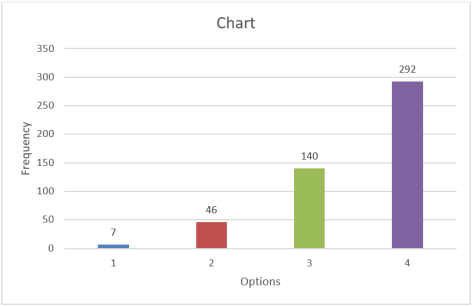
Figure 1. Bar-Chart of Frequency responses of how Parent Teacher Association help to maintain learners’ discipline in secondary schools.
The Table and Figure show that 60.2% and 28% of the respondents strongly agreed and agreed respectively that Parent-Teachers Association help to maintain discipline among secondary school learners while 9.5% and 1.4% of them disagreed.
4.2. Hypothesis
In testing the hypothesis, the Chi-square (χ) was used to test the different responses of respondents at 0.05 level of significance and the results were presented on tables.
Table 2. Chi-Square Analysis of the Contribution of Parent-Teachers Association to Learners’ Discipline in Secondary Schools in Apa and Agatu Local Government Areas.

S/N

Item

SA

A

D

SD

df

χ2 cal

χ2 crit

Decision

1

Rules and Regulations

295

142

48

2

Counselling

285

140

48

12

9

397.713

16.919

H0 rejected

3

Reporting students

290

138

46

11

4

Adhoc committee

292

140

49

4

χ2 cal = 397.713, χ2 crit = 16.919, df = 9, P=0.05>0.000
The Table showed that chi-square calculated of 397.713 is greater than the chi-square critical value of 16.919, degree of freedom 9. The null hypothesis was therefore rejected. This implies that Parent-Teachers Association has a significant contribution to learners’ discipline among secondary school learners in Apa and Agatu Local Government Area of Benue State.
5. Discussion of Finding
The findings indicate the Parent-Teachers Association possesses a long standing history of supporting secondary school administrators in managing learners’ discipline. Most respondents agreed or strongly agreed that the Parent-Teachers Association collaborate with teachers to identify the root causes of delinquency and develop preventive strategies. Furthermore, The Parent-Teachers Association actively participates in shaping the rules and regulations of their children’s school. This is in tandem with the research conducted by , who found that Parent-Teachers Association elevate a school’s moral tone by curbing indiscipline and co-authoring school policies.
A portion of these results mirrors the work of , demonstrating that counseling support enables learners to create effective coping mechanisms. While counseling offers numerous benefits, highlights significant challenges hindering its effectiveness in Nigerian schools, specifically the shortage of trained professionals and the cultural stigma surrounding psychological help. To address these gaps, the Parent-Teachers Association frequently provide financial support to hire qualified counselors, while some members even volunteer their own time to offer free counseling services.
The study indicated that maintaining discipline extends beyond the classroom; it requires a collective effort. While teachers manage behavior within the school, parents must reinforce these efforts at home by reporting behavoural issues to the administration for proper intervention. This tally with the findings of who observed that parents regularly visit schools outside of scheduled Parent-Teachers Association meeting to discuss their children’s misconduct with teachers.
The impact of the Parent-Teachers Association is further demonstrated by finding showing that parents actively volunteer for school disciplinary committee. This outcome is supported by who emphasised that maintaining learner discipline necessitates collaborative efforts between parents and teachers. In addition, these findings align with the scholarly work of who argued that parents and teachers must maintain a functional relationship built on the shared objectives of providing quality education while upholding necessary disciplinary standard.
6. Conclusion and Recommendation
The empirical data demonstrates a robust partnership between the Parent-Teachers Association and school management, which facilitates parental involvement in policy formulation. Cultivating this cooperative framework, The Parent-Teacher Association guarantees the availability of a dedicated school counsellor and allocates supplementary funds to the counselling department. Parents trust in teachers is further evidenced by their reliance on teachers for behavioural monitoring, as well as their active participation in disciplinary committee.
The study’s finding lead to the following recommendations that:
1) The school leadership should cultivate a strong partnership with the Parent-Teachers Association to better support learner behaviour.
2) Teachers must take parental feedback seriously, as families view educators as better equipped to guide learner behaviour.
3) While the Parent-Teachers Association plays a vital role in addressing learner behaviour, the school management should work with them within the parameters of their status.
Abbreviations

PTA

Parent-Teachers Association

Author Contributions
Johnson Alechenu Onoja: Conceptualization, Data curation, Resources, Writing – original draft, Writing – review & editing
Conflicts of Interest
The author declares no conflicts of interest.
References
[1] Adebajo, A. A., Aborisade, R. A. Family Structure, Parental Style and Juvenile Delinquency: Narratives of Inmate of Juvenile Correctional Home, Asero, Abeokuta, Ogun State. FUOYE International Journal of Criminology and Security Studies (FIJCSS). 2024, 3(1), 1-20.
[2] Ahmed, M., Barech, M. Y., Farooq, G. Socio-economic Factors of Delinquent Behavior Among Juveniles in Baluchistan, Pakistan. Bi-Annual Research Journal, “BALOCHISTAN REVIEW”. 2020, 45(1), 263-275.
[3] Amoah, S. A., Owusu-Mensah, F., Laryea, P., Gyamera, A. Managing School Discipline: The Students' and Teachers' Perception on Disciplinary Strategies British Journal of Psychology Research. 2015, 3(2), 1-11.
[4] Assafuah-Drokow, A., Asabil, J. Effects of Indiscipline on the Academic Performance of Students in some Selected Senior High Schools in the Kumasi Metropolis. International Journal of Science Development and Research (IJSDR). 2021, 6(5), 360-370.
[5] Baier, D. Social Learning Theory and Juvenile Delinquency: A Meta-analysis. European Journal of Criminology. 2022, 19(2), 256-278.
[6] Bamidele, A. Counselling interventions for academic improvement. Nigerian Educational Research Journal. 2022, 27(4), 78-91.
[7] Chukwu, I. Overcoming Barriers to Effective Counselling in Nigerian Schools. International Journal of Counselling and Education. 2021, 30(2), 112-125.
[8] Chuulabantu, E. Factors Contributing to Deviant Bahaviours among Pupils in Selected Public Secondary Schools of Mazabuka District, Zambia. (Master’s thesis) University of Zambia, Lusaka, Zambia. 2020. The University of Zambia Institutional Repository.
[9] Dada, T. The Role of Counsellors in Nigerian Secondary Schools. Journal of School Counselling. 2021, 22(2), 23-35.
[10] Danladi, S., Abdullahi, N. Influence of Reward and Punishment in Enhancing Discipline among Primary School Pupils in Yobe State. International Journal of Innovative Psychology & Social Development. 2023, 11(3), 70-77.
[11] Efeotor, I. E., Kpee, G. G. Application of the Doctrine of in loco parentis in the Maintenance of Discipline by Secondary School Principals in Delta State, Nigeria. International Journal of Humanities Social Science and Education (IJHSSE). 2021, 8(7), 192-201.
[12] Egenti U. P. Principals’ Counselling Strategies for Controlling Indiscipline among Students in Public and Private Secondary Schools in Anambra State. European Journal of Psychological Research. 2020, 7(1), 18-25.
[13] Emmanuel, G. F. Social Variable as Correlate of Deviant Behaviour among Undergraduates in Ignatius Ajuru University of Education in Port Harcourt, River State. Journal of Education and Society. 2021, 11(1). FOE IAUE (Accessed 1 June, 2026).
[14] Gupta, M. K., Mahanta, P. K. Role of Risk Factors to Develop Delinquent Behaviour among Adolescent: A Review. The International Journal of Indian Psychology. 2021, 9(2), 1442-1455.
[15] Hamidu, A. U., Oguche, T. E., Gimba, B. Factors, Consequences and Control of Juvenile Delinquency among Senior Secondary School Students in Kogi State: Implications for Guidance. Research Journal of Humanities and Cultural Studies. 2024, 10(4), 118-138.
[16] Kagoiya, P., Kagema, N. Examining Factors Contributing to Indiscipline in Primary Schools in Nyeri Central Subcounty, Kenya. Pedagogical Research. 2018, 3(2), 1- 8.
[17] Karanja, R., Bowen, M. Students Indiscipline and Academic Performance in Public Secondary Schools in Kenya. Dayslar University Centre for Research and Publication. Working paper series. 2012.
[18] Khushhal, A., Zahid, M., Azizullah, J. Analysis of Familial Factors behind Children’s Invovolment in Delinquent acts in Mardan, Pakistan. Liberal Arts and Social Sciences International Journal (LASSIJ). 2017, 1(2), 50-59.
[19] Manning, R. The Influence of Social Media on Youth Behaviour and Academic Performance. Educational Technology Research and Development. 2016, 64(3), 389-407.
[20] Okaforcha, C. C., Okeke, I. N. Extent of Principals’ Support Services for Teachers’ Job Commitment in Public and Private Secondary Schools in Anambra State. African Research Review and International Multidisciplinary Journal (IAARRJ). 2019, 13(1), 156-168.
[21] Omote, M. J., Thinguri, R. W., Moenga, M. E. A Critical Analysis of Acts of Student Indiscipline and Management Strategies Employed by School Authorities in Public High Schools in Kenya. International Journal of Education and Research. 2015, 3(12), 1-10.
[22] Onakpoberuo, B., Ugoji, F. N. Peer Influence and Socio-economic Status as Correlates of Deviant Behavior among Secondary School Students in Delta State Central Senatorial District. Journal of Education and Policy Review, 2016, 8(1), 62-77.
[23] Oyenike, O. A., Pariola, A. S. Investigating the Efficacy of Counselling Services in Curbing Moral Decadence among Secondary School Students in a Period of Socio- economic and Political Stress in Ondo State. International Journal of Research and Innovation in Social Science (IJRISS). 2024, 8(3), 1480-1498.
[24] Rathi, N., Dhariwal, E. Family Ties, Broken Paths: Understanding the Roots of Juvenile Delinquency. Journal on the Rights of the Child of NLUO. 2025, 1(1), 68-88.
[25] Sharma, A. Association between Family Socio-economic Status and Juvenile Crime. Iconic Research and Engineering Journals. 2025, 9(1), 106-113.
[26] Simba, N. O., Agak, J. O., Kbuka, E. K. Impact of Discipline on Academic Performance of Pupils in Public Primary Schools in Muhoroni Sub-county, Kenya. Journal of Education and Practice. 2016, 7, 164-173.
[27] Singh, A. P. Impact of Family Background and Socioeconomic Status on Juvenile Delinquency: A Sociological Study. International Journal of Humanities, Social Science and Management (IJHSM). 2026, 6(1), 666-672.
[28] Smith. T., Johnson, R. Redefining family in criminological research. Annual Review of Criminology. 2022, 5, 103-124.
[29] Tayo-Olajubutu, O. An Appraisal of Delinquent Behavior among Secondary School Students on Ondo State, Nigeria. Advances in Social Sciences Research Journal. 2017, 4(3), 93-99.
[30] Ugboko, R., Enakpoya, E. E., Onoyase, A. The Influence of Social Media Addiction on Delinquent Behaviour among Secondary School Students in Delta State. International Journal of Innovative Social Sciences and Humanities Research. 2025, 3(1), 58-64.
[31] Unimna, U. F., Ekwok, M. L., Ugbong, K. Investigation of Delinquent Behavior and Academic Performance of Students in Biology in Public Secondary Schools in Obudu Local Governemnt Area of Cross River State, Nigeria. Global Journal of Educational Research, 2024, 23(1), 10-116.
[32] Vintenaba, S. S., Ndidi, E. E., Harry, A. M., Kennedy, O. A. Impact of delinquent behaviours on academic performance of secondary school students in Mathematics and English Language in North West Nigeria. Global Educational Research Journal. 2021, 9(4), 10-18.
Cite This Article
  • APA Style

    Onoja, J. A. (2026). The Impact of Parent-Teachers Association (PTA) Collaboration on Root Causes of Delinquency and Disciplinary Measures in Secondary Schools in Benue State. International Journal of Education, Culture and Society, 11(5), 216-223. https://doi.org/10.11648/j.ijecs.20261105.13

    Copy | Download

    ACS Style

    Onoja, J. A. The Impact of Parent-Teachers Association (PTA) Collaboration on Root Causes of Delinquency and Disciplinary Measures in Secondary Schools in Benue State. Int. J. Educ. Cult. Soc. 2026, 11(5), 216-223. doi: 10.11648/j.ijecs.20261105.13

    Copy | Download

    AMA Style

    Onoja JA. The Impact of Parent-Teachers Association (PTA) Collaboration on Root Causes of Delinquency and Disciplinary Measures in Secondary Schools in Benue State. Int J Educ Cult Soc. 2026;11(5):216-223. doi: 10.11648/j.ijecs.20261105.13

    Copy | Download

  • @article{10.11648/j.ijecs.20261105.13,
      author = {Johnson Alechenu Onoja},
      title = {The Impact of Parent-Teachers Association (PTA) Collaboration on Root Causes of Delinquency and Disciplinary Measures in Secondary Schools in Benue State},
      journal = {International Journal of Education, Culture and Society},
      volume = {11},
      number = {5},
      pages = {216-223},
      doi = {10.11648/j.ijecs.20261105.13},
      url = {https://doi.org/10.11648/j.ijecs.20261105.13},
      eprint = {https://article.sciencepublishinggroup.com/pdf/10.11648.j.ijecs.20261105.13},
      abstract = {The study evaluated the impact of Parent-Teachers Association (PTA) collaboration on identifying root causes of delinquency and reinforcing disciplinary measures in secondary schools in Apa and Agatu Local Government Areas of Benue State. The study was guided by one research question and one testable hypothesis. To examine the target population of 2,005 individuals, this research adopted a descriptive survey design. This population included 80 teachers, 45 principals, and 1,880 parents drawn from 45 schools and surrounding communities. A 25% sample of 488 participants was then selected, which included 15 principals, 45 teachers and 428 parents. The selection process combined purposive and stratified random sampling methods. Impact of Parent-Teachers Association Collaboration on Identifying Root Causes of Delinquency and Reinforcing Disciplinary Measures Questionnaire (IPTACIRDRMQ) served as the data collection instrument. The research findings were analysed using frequencies and percentages, alongside bar chart for visual clarity. To evaluate the hypothesis, an inferential analysis was performed using the chi-square test (α = 0.05). The study showed that Parent-Teachers Association contribution has a significant impact on learners’ discipline χ 2 cal = 397.713, χ 2 crit = 16.919, df = 9, P=0.05>0.000. In light of the findings, the study offers the following recommendations: The school management should ensure a smooth relationship with the Parent-Teachers Association to enhance further synergy in the area of learner behaviour. Teachers must take parental feedback seriously, as families view educators as better equipped to guide learner behaviour. While the Parent-Teachers Association plays a vital role in addressing learner behaviour, the school management should work with them within the parameters of their status.},
     year = {2026}
    }
    

    Copy | Download

  • TY  - JOUR
    T1  - The Impact of Parent-Teachers Association (PTA) Collaboration on Root Causes of Delinquency and Disciplinary Measures in Secondary Schools in Benue State
    AU  - Johnson Alechenu Onoja
    Y1  - 2026/09/09
    PY  - 2026
    N1  - https://doi.org/10.11648/j.ijecs.20261105.13
    DO  - 10.11648/j.ijecs.20261105.13
    T2  - International Journal of Education, Culture and Society
    JF  - International Journal of Education, Culture and Society
    JO  - International Journal of Education, Culture and Society
    SP  - 216
    EP  - 223
    PB  - Science Publishing Group
    SN  - 2575-3363
    UR  - https://doi.org/10.11648/j.ijecs.20261105.13
    AB  - The study evaluated the impact of Parent-Teachers Association (PTA) collaboration on identifying root causes of delinquency and reinforcing disciplinary measures in secondary schools in Apa and Agatu Local Government Areas of Benue State. The study was guided by one research question and one testable hypothesis. To examine the target population of 2,005 individuals, this research adopted a descriptive survey design. This population included 80 teachers, 45 principals, and 1,880 parents drawn from 45 schools and surrounding communities. A 25% sample of 488 participants was then selected, which included 15 principals, 45 teachers and 428 parents. The selection process combined purposive and stratified random sampling methods. Impact of Parent-Teachers Association Collaboration on Identifying Root Causes of Delinquency and Reinforcing Disciplinary Measures Questionnaire (IPTACIRDRMQ) served as the data collection instrument. The research findings were analysed using frequencies and percentages, alongside bar chart for visual clarity. To evaluate the hypothesis, an inferential analysis was performed using the chi-square test (α = 0.05). The study showed that Parent-Teachers Association contribution has a significant impact on learners’ discipline χ 2 cal = 397.713, χ 2 crit = 16.919, df = 9, P=0.05>0.000. In light of the findings, the study offers the following recommendations: The school management should ensure a smooth relationship with the Parent-Teachers Association to enhance further synergy in the area of learner behaviour. Teachers must take parental feedback seriously, as families view educators as better equipped to guide learner behaviour. While the Parent-Teachers Association plays a vital role in addressing learner behaviour, the school management should work with them within the parameters of their status.
    VL  - 11
    IS  - 5
    ER  - 

    Copy | Download

Author Information
  • Department of Catholic (Otukpo) Education Services, St Charles Secondary School, Otukpo, Nigeria