Research Article | | Peer-Reviewed

Mapping and Compliance of Labeling for Some Edible Oils Fortified with Vitamin A and Sold in the Republic of Niger

Received: 23 August 2026     Accepted: 1 September 2026     Published: 18 September 2026
Views:       Downloads:
Abstract

Mandatory food labeling helps Nigerien consumers to understand the origin, identity and nutritional profile of a product. So, what compliance criteria apply to vegetable oils sold on the market? The aim of this study was to assess the compliance of several edible oils available in Niger with international and local standards for labeling pre-packaged foods and refined edible oils respectively. This is a cross-sectional survey, which targeted edible oils packed in different retail containers. An inventory of these oils was carried out in 80 retail stores. Relevant data were extracted from the labels and entered into an electronic database for conformity assessment against the provisions of the reference standards. A total of 49 brands of edible oil were identified as palm oil (53.06%), soybean oil (20.41%), sunflower oil (2.04%), peanut oil (2.04%), and the remaining brands as unknown types of oil (22.45%). The assessment for conformity showed that the 37(97.36%) brands of edible oil comply with the mandatory labeling requirements as set out in CODEX STAN 1-1985. Of the 26 brands of edible oil listed as palm oils, 15 had a fortified label for vitamin A, of which 10 were from African countries and the other 5 were from Asian countries. Globally, our results revealed the diversity of edible oils and their countries of origin, as well as the non-compliance of certain brands with labeling standards. Though, control bodies in Niger must strengthen control measures to guarantee the safety and quality of imported edible oils.

Published in International Journal of Nutrition and Food Sciences (Volume 15, Issue 5)
DOI 10.11648/j.ijnfs.20261505.14
Page(s) 211-220
Creative Commons

This is an Open Access article, distributed under the terms of the Creative Commons Attribution 4.0 International License (http://creativecommons.org/licenses/by/4.0/), which permits unrestricted use, distribution and reproduction in any medium or format, provided the original work is properly cited.

Copyright

Copyright © The Author(s), 2026. Published by Science Publishing Group

Keywords

Edible Oil, Labeling, Codex, Standard, Fortification, Vitamin A, Niger

1. Introduction
Food is central to our lives and our health. Despite the progress made in recent decades, malnutrition remains a global issue, with persistent problems such as hunger, deficiencies in essential nutrients, and being overweight or obese . A diet rich in plant-based fats and proteins, such as those found in fish, nuts, whole grains, fruits, and vegetables, is beneficial to health . Unhealthy food environments were recognized as supporting an increase in different forms of malnutrition, such as micronutrient deficiency, as well as diet-related non-communicable diseases (NCDs), around the world . For example, an unethical food production firm may add inferior materials or low-quality elements in order to increase profits. Unfortunately, this action is often hazardous to consumers who are usually unable to distinguish between healthy and unhealthy food . To address this, there is an increasing need for more extensive research into our dietary preferences and habits, as well as the composition of our food and inequalities in food access . As stated in the Declaration of the World Food Summit, convened in Rome in November 1996, access to sufficient quantities of healthy and nutritious food is essential for life and the maintenance of good health. International organizations have encouraged governments worldwide to implement measures through national food control systems to protect consumers from unsafe, poor-quality, damaged, mislabeled or contaminated food . These systems play an essential role in enabling countries to ensure the safety and quality of food products traded internationally, as well as ensuring that imported foods comply with regional and national guidelines .
Since 1994, the Niger Republic government has adopted several Laws related to public health and hygiene. In terms of food safety legislation, on May 12, 1998 the government adopted a Law on Food Hygiene (Decree No. 98-107/PRN/MSP), the objective of which was to ensure food hygiene and prevent food contamination and the presence of factors harmful to human health. This was followed by the adoption of another Law (Decree No. 98-108/PRN/MSP), which established controls on imported and exported foods. In 2015, a specific law (No. 22015-24 of May 11, 2015) establishing the fundamental principles of consumer protection in Niger was adopted. In January 2018, the National Assembly of Ministers adopted the National Quality Policy (Decree No. 2018-014/PRN/MI), the main objectives of which are to strengthen the institutional, regulatory and legal framework related to quality; to improve the quality of goods and services provided by the public and private sectors to meet market requirements; to ensure compliance with international product standards for imported and exported products; to promote a culture of quality in businesses; to strengthen the capacities of quality structures; and to ensure the protection of consumers and the environment. More recently, a law establishing the fundamental principles of public health and hygiene (No. 2022-34 of July 11, 2022) was adopted. Chapter 2, article 59 states that 'the government is responsible for monitoring the safety of food and drinking water, as well as their nutritional quality and for promoting them'.
Following the establishment of the World Trade Organization (WTO) on January 1, 1995 and the entry into force of the Agreement on the application of sanitary and phytosanitary measures, WTO Member States gained the right to implement measures to protect consumers by adopting laws, decrees and regulations, as well as controls, inspections, certifications, approvals and packaging and labeling requirements directly related to the quality and safety of imported or locally produced goods . Member states were encouraged to use Codex standards and other relevant guidelines as benchmarks for implementing protective measures, and to harmonize or align their national food standards with those of the Codex Alimentarius Commission.
Food labeling is a useful tool for protecting consumer health in terms of food safety and nutritional well-being, and is one of the most important ways of communicating information directly to consumers . The consumer is informed through the food label about the origin, identity and nutritional profiles of the product, and how to handle, prepare and consume it safely . Food production firms are invited to use the Codex General Standard for the Labeling of Prepackaged Foods (CXS 1-1985) when designing labels to provide consumers with information about food. This standard could be used by member states as a reference for harmonization or as the basis for new food labeling policies . The Economic Community of West African States (ECOWAS) has adopted the Codex standard CXS 1-1985 as ECOSTAND 50 within its region, in accordance with Regulation C/REG.14/12/12 of 2 December 2012. This regulation outlines the procedures for harmonizing ECOWAS standards. The market size of vegetable oils, among the food products traded across the world, is growing considerably day by day due to the increasing demand from consumers who presume they have health benefits .
Vegetable oils are mainly extracted from seeds (such as rapeseed and sunflower), legumes (such as peanuts and soybeans), nuts (such as palm and palm kernel), fruits (such as olives and avocados), and other botanical parts. Good-quality vegetable oil improves the texture of food ; increases consumer satisfaction and can contribute to the acceptance and credibility of a food product on the international market. They are among the most important staple foods worldwide due to their energy density. Almost everyone in West Africa consumes vegetable oils daily, particularly the three most common types produced from palm, peanut and soybean. A theoretical review of trade connectivity in the vegetable oil market using WTO statistics from 2020 estimated that the Republic of Niger imported 104.4 million US dollars' worth of vegetable oils from around the world. Of this, only 32.06% originated from Africa, 49.28% from Asia, and the remaining 18.66% from other countries . The Food and Agriculture Organization of the United Nations (FAO) processed and disseminated a dataset on the types and quantities of edible oils imported into the Republic of Niger from 2020 to 2024. The dataset revealed that a cumulative total of 66 tons of peanut oil, 310 tons of olive oil, 1,677 tons of soybean oil, 5,802 tons of sunflower oil, and 1,784,652 tons of palm oil entered the Nigerien market . Overall, imports of vegetable oils during this period were dominated by palm oil, representing about 99.5% of the market.
Vitamin A deficiency is a public health problem in West Africa . In search of alternatives to reduce the prevalence of vitamin A deficiency among these populations, the World Health Organization (WHO) and the Food and Agriculture Organization of the United Nations (FAO) have instructed manufacturers to add micronutrients to widely consumed foods on a large scale . This has prompted the ECOWAS Ministers of Industry and the Council of Ministers to adopt and approve the ECOSTAND008:2014 draft fortification standard for vegetable oils, respectively . However, the Nigerien government passed a law (Arrêté conjoint No.v65/MM/DI/MSP/MF du 25 avril 2012, portant application obligatoire des norms nigériennes relatives aux huiles comestibles raffinées de palme, palmist et d’arachide enrichies en vitamin A), which made the application of Nigerien standards for refined edible palm, palm kernel and peanut oils enriched with vitamin A mandatory. Though, monitoring and evaluation could be essential components as opportunity to assess the quality of the implementation of any fortification program in place . The diversity of vegetable oils available in different markets across many developing countries has increased significantly, and consumers are often overwhelmed by the variety on offer when shopping. In recent years, companies have adopted broad labeling policies to meet consumer demand . Although marketing standards set out guidelines for labeling that inform consumers about the type of vegetable oil being offered, deception, scams and fraud can still occur. So what quality and compliance criteria apply to vegetable oils sold on the market? Given the importance of vegetable oils in Nigerien dietary habits, this study aimed to assess the compliance of several vegetable oils sold in the Republic of Niger with international and local standards for the labeling of prepackaged foods and refined edible oils, respectively.
2. Materials and Methods
2.1. Study Design and Setting
The present study was designed as a cross-sectional market survey targeting edible oils packed in various retail containers. It was conducted in Niamey, the capital city, and in four other regional states (Dosso, Maradi, Tahoua and Zinder) of the Republic of Niger from July to September 2025.
2.2. Sampling and Data Collection
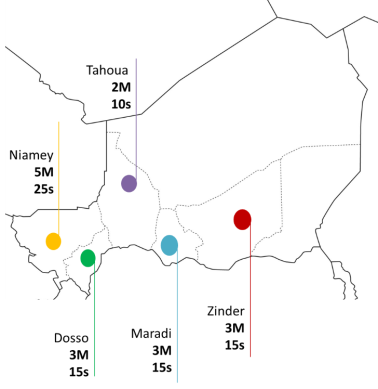
The survey was carried out in the 80 biggest stores, which were selected from the 16 largest markets in the 5 regional states of Niger Republic (Figure 1): Dosso (3 markets, 15 stores), Maradi (3 markets, 15 stores), Niamey (5 markets, 25 stores), Tahoua (2 markets, 10 stores) and Zinder (3 markets, 15 stores). For the selection of sites, markets with strong agglomeration, as well as wholesale stores with larger stocks and a more diverse range of oil brands were taken into account.
nM: number of visited markets; nS: number of inventoried stores

Download: Download full-size image

Figure 1. Map of the Republic of Niger showing the regions visited.
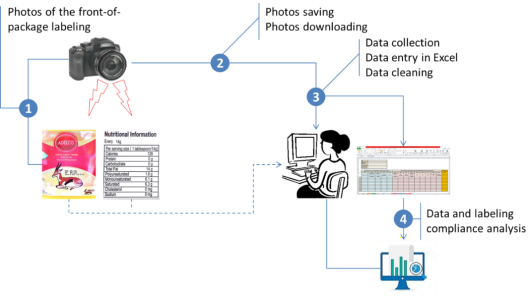
Photos were taken of the front-of-package labeling of each prepackaged edible oils inventoried in selected stores and saved. Relevant data was extracted from the labels and entered into a Microsoft Excel database, with information translated into English where necessary. To ensure the accuracy of the information, a study supervisor later cross-checked the label information for each typed product against the photographs of the prepackaged products before any analysis or interpretation.
The following information was extracted from the labels of products in all five regions: product name; list of ingredients; net contents and drained weight; name and address of the manufacturer; country of origin; lot identification; date marking; and storage instructions. The mention or logo of fortification with vitamin A was also identified based on label information (Figure 2).
Figure 2. Schematic representation of the process of food labeling evaluation.
2.3. Labeling Compliance Analysis
The CODEX STAN 1-1985 and the Nigerien standards relating to refined edible oils fortified with vitamin A (NN-01-03-01: 2012 for peanut oil, NN-01-03-02: 2012 for palm oil, and NN-01-03-03: 2012 for palm kernel oil) were used to assess the compliance of edible oils sold in Niger republic with the mandatory requirements in terms of labeling practices.
A summary of the applied criteria is presented in Table 1 below. A prepackaged edible oil was considered non-conforming if it failed to meet a requirement or if information was missing to enable assessment of the criterion. Prepackaged edible oil was considered to be in conformity with the norms if it met all the requirements.
Table 1. Requirements for the evaluation of edible oils commercialized in Niger republic.

Reference of the standard

Scope

Mandatory labeling (Requirements)

CODEX STAN 1-1985 [Foods]

This applies to the labeling of all prepackaged foods offered to consumers or for catering purposes, as well as certain aspects relating to their presentation.

Product name

List of ingredients

Net contents and drained weight

Name and address of the manufacturer

Country of origin

Lot identification

Date marking and storage instructions

NN-01-03-01: 2012 [Peanut oil] NN-01-03-02: 2012 [Palm oil]

NN-01-03-03: 2012 [Palm kernel oil]

This applies to the labeling of all prepackaged edible palm and peanut oils that are fortified.

Mention: fortification in vitamin A

Logo for fortification in vitamin A

Vitamin A content

2.4. Statistics
Data entry, processing, and statistical analysis were carried out using Microsoft Excel spreadsheet and GraphPad prism 6 (version 6.01, GraphPad Software, Inc.). A descriptive analysis was carried out to describe the characteristics of prepackaged edible oils in terms of labeling. Results were expressed as percentages.
3. Results
3.1. Number of Entries of Types of Edible Oil by Supervised Region
A total of 101 entries corresponding to the number of edible oils identified were made from the 80 stores visited. Palm oil was identified as the most prevalent oil in all targeted states, accounting for 52.47% of entries (n = 53). Soybean oil followed with 25.74% (n = 26), then sunflower oil with 0.99% (n = 1), and peanut oil with 0.99% (n = 1). The remaining 19 edible oils (18.81%) had no indication on the label concerning the type of oil (Table 2).
Table 2. Number of entries of types of edible oil by region.

Edible Oil

DOSSO

MARADI

NIAMEY

TAHOUA

ZINDER

Total [n(%)]

Palm oil [n(%)]

13(12.87)

10(9.90)

12(11.88)

5(4.95)

13(12.87)

53(52.47)

Soybean oil [n(%)]

1(0.99)

3(2.97)

6(5.94)

7(6.93)

9(8.91)

26(25.74)

Peanut oil [n(%)]

-

1(0.99)

-

-

-

1(0.99)

Sunflower oil [n(%)]

-

-

1(0.99)

-

-

1(0.99)

Others (NI) [n(%)]

5(4.95)

3(2.97)

6(4.95)

2(1.98)

4(3.96)

20(18.81)

Total [n(%)]

19(18.81)

17(16.83)

25(23.76)

14(13.86)

26(25.74)

101(100)

3.2. Proportion of Imported Types of Edible Oil
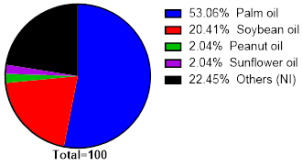
Figure 3. Proportion of edible oil brands commercially available in the Republic of Niger.
Of the 101 entries, a total of 49 brands of edible oil were recorded, with the most popular being those grouped as palm oil (n = 26; 53.06%), followed by soybean (n = 10; 20.41%), and then peanut oil (n = 1; 2.04%) and sunflower oil (n = 1; 2.04%). Others as NI (n = 11; 22.45%) are brands of edible oil with no indication on the label concerning the type of oil (Figure 3).
3.3. Origin of Imported Edible Oils
A total of 49 brands of edible oils were recorded. In general, countries from two different continents (Africa and Asia) were involved in the marketing of edible oils in the Republic of Niger. Approximately 51.02% of the oils come from Asia, with Indonesia accounting for 26.53%. Edible oils from Algeria were well represented among African countries, covering 22.45%, followed by Togo with 12.24% (Table 3).
Table 3. Origin of different brands of edible oils.

Continent 

Country

n(%)

Total [n(%)]

Africa

Algeria

11(22.45)

24(48.98)

Ivory coast

1(2.04)

Ghana

2(4.08)

Liberia

1(2.04)

Nigeria

2(4.08)

Niger

1(2.04)

Togo

6(12.24)

Asia

Indonesia

13(26.53)

25(51.02)

Malaysia

9(20.41)

Singapore

1(2.04)

Türkiye

1(2.04)

n: number of identified brands of edible oil per importing country

3.4. Proportion of Imported Edible Oils That Comply with Mandatory Labeling Requirements
To assess the compliance of the edible oils available on the market, two reference standards for the labeling of prepackaged foods and refined edible oils were used. A summary of the results is presented in Table 4 below. Of the 49 listed brands of edible oil, 11 from various origins were automatically classified as unsuitable for further evaluation due to the absence of a list of ingredients on the labeling. Of the remaining 38 brands of edible oil, 37(97.37%) satisfied all the mandatory labeling requirements of section A, as set out in CODEX STAN 1-1985. Of the 26 edible oils listed as palm oils, 15 (57.69%) had a fortified label, satisfying the criteria of section B. Of the 7 countries exporting palm oils to Niger, 10 (66.66%) of the 15 fortified oils were from African countries and 5 (33.34%) were from Asian countries.
Table 4. Labeling compliance of different brands of edible oil commercialized in the republic of Niger.

Palm olein [n(%)]

Peanut oil [n(%)]

Soybean oil [n(%)]

Sunflower oil [n(%)]

Section A: Mandatory labelling

CODEX standard

CXS 1-1985

Product name

26(100.00)

1(100.00)

10(100.00)

1(100.00)

List of ingredients

26(100.00)

1(100.00)

10(100.00)

1(100.00)

Net contents and drained weight

26(100.00)

1(100.00)

10(100.00)

1(100.00)

Name and address of the manufacturer

26(100.00)

1(100.00)

10(100.00)

1(100.00)

Country of origin

26(100.00)

1(100.00)

10(100.00)

1(100.00)

Lot identification

26(100.00)

0(0.00)

10(100.00)

1(100.00)

Date marking and storage instructions

26(100.00)

0(0.00)

10(100.00)

1(100.00)

Section B: Additional mandatory requirements (presence of fortification label)

NIGERIEN standards

NN-01-03-02

NN-01-03-01

Presence of fortification label

15(57.69)

0(0.00)

Na

na

A

1(6.67)

0(0.00)

Na

na

B

0(0.00)

0(0.00)

Na

na

C

0(0.00)

0(0.00)

Na

na

A+B

6(40.00)

0(0.00)

Na

na

A+C

1(6.67)

0(0.00)

Na

na

B+C

0(0.00)

0(0.00)

Na

na

A+B+C

7(46.67)

0(0.00)

Na

na

Absence of fortification label

11(42.31)

1(100.00)

Na

na

A: mention only: fortified in Vitamin A; B: logo only; C: vitamin A content (%) only; na: not applicable

4. Discussion
This study assessed the compliance of several edible oils available on the market in the Republic of Niger with international and local standards for the labeling of pre-packaged foods and refined edible oils, respectively. Of the 49 brands of edible oil available on the Nigerien market, 25 were imported from Asia and 24 from Africa. The origins of edible oil imports to the Nigerien market are diverse. From 2020 to 2024, the total quantity of vegetable oils imported worldwide for the Nigerien market reached approximately 1,792,507.83 tons, of which 238,236.07 tons (13.29%) came from African countries, 804,298.51 tons (44.87%) from Asia, and 749,973.25 tons (41.83%) . It can be deduced that the quantity of vegetable oils imported by African countries is limited, and even then they only manage to penetrate the Nigerien market to a very limited extent. For example, Nigeria, the biggest market in the region, shares a border with the Niger Republic, yet only managed to export 0.07% of its vegetable oils to Niger. Among the Asian countries exporting vegetable oils to the Niger Republic, Indonesia is in first place, followed by Malaysia. In 2023, the Indonesian market dominated more than 50% of global palm oil exports, with a production rate reaching 47 million tons . Out of this total, 0.56% was destined for the Nigerien market. In this study, all of the edible oils listed from Asia are palm oils (41.51%), with different brands marked on the labels, which could be explained by the fact that Indonesia and Malaysia have large programs covering the large-scale production and commercialization of edible palm oils worldwide. FAO statistical reports highlighted that, from 2020 to 2024, approximately 801,418.62 tons (44.9%) of palm oil from Malaysia (30.19%) and Indonesia (14.71%) respectively were injected into the Nigerien market . Overall, these results concerning the mapping of edible oils marketed in the Republic of Niger prove the diversity of edible oils and their countries of origin.
To assess the compliance of the edible oils available on the market in the Niger Republic, two reference standards for the labeling of prepackaged foods and refined edible oils were used. Of the 38 brands of edible oil that were eligible for assessment according to CODEX STAN 1-1985, 37 met the relevant mandatory requirements. The only edible oil that did not comply with the international general standards for labeling prepackaged foods was a locally manufactured peanut oil from the Niger Republic. To our knowledge, this is the first study from the Niger Republic to address the compliance of marketed edible oils with CODEX STAN 1-1985. Several studies conducted in African countries have reported non-compliance with international and regional standards in terms of food labeling, which could further constitute an infringement of local laws and regulations. In their study, Zio et al. (2020) aimed to assess production technology and the sale of edible oils in the markets of Ouagadougou and Bobo Dioulasso . They reported compliance with labeling criteria such as date of production, expiry date, brand and contact details (88%), as well as instructions (75%). In a more recent study aimed to evaluate the quality of edible oils used in deep frying in the city of Ouagadougou, the same authors found that most of oils listed did not comply with sales regulations with only 33.33% of the samples presenting the production date, 66.66% presenting the expiry date and 75% presenting the batch number . In their study conducted in Cameroon, Césaire et al. (2019) found that 20% of the evaluated edible oil samples had labels with very limited mandatory information, as required by local regulations based on Codex Alimentarius standards . A similar study, conducted in Cameroon in 2003, aimed to evaluate the labeling of prepackaged vegetable oils and produced comparable results . Food labeling is fundamental for consumers, as it provides information about the product's origin, identity, nutritional profile, and how to handle, prepare, and consume it safely . All FAO member states are responsible for ensuring that edible oils sold in their countries are safe and correctly labeled. This applies to both domestic and imported edible oils. Inadequate or poor intake of nutrient-rich foods is recognized as a cause of micronutrient deficiencies, which could further hinder human capital and economic development . However, adding micronutrients to widely consumed foods through food fortification is an alternative way of reducing micronutrient deficiencies and related outcomes . Edible oils are widely consumed and this is why all ECOWAS state members have agreed to implement mandatory edible oil fortification programs endorsed by legal documents. In 2012, the government of the Republic of Niger ratified national standards relating to the fortification of refined peanut, palm and palm kernel oils with vitamin A.
This study identified four types of oil. Only palm oil and peanut oil were deemed eligible for assessment against Nigerien standards for refined edible oils, with emphasis placed on the labeling of vitamin A fortification. Of the 38 brands of edible oil listed, 26 were palm oil and only one was peanut oil. More than half (n = 15; 57.69%) of the total number of listed palm oils satisfied the additional mandatory requirement to mention vitamin A fortification on the label. All brands of palm oil from Ghana and Togo were found to comply with Nigerien standards. This is not surprising, given that the two countries have both ratified the nutrition policy on food fortification. Unfortunately, more than 90% of imported palm oil from Asian countries did not comply with the additional mandatory requirement to state vitamin A fortification on the label. Therefore, the national authority responsible for food safety and control should address the quality gaps relating to the improper labeling of fortified edible oils, as required by law in the Republic of Niger. Several other studies from Africa have also reported non-compliance with proper labeling of fortified edible oils. For example, a study conducted in Cameroon by Césaire et al. (2019) showed that fewer than 50% of labels bore the logo and the words 'enriched with vitamin A' . In a more recent study aimed at assessing the quality of 12 brands of edible oil in the city of Ouagadougou, Sankara et al. (2024) found that only four (33.33%) of the brands had labels bearing the mention 'enriched with vitamin A' . A market assessment in Senegal found that 364 (97.9%) of the 372 sampled refined edible oils had a fortification label, indicating that producers are familiar with the labeling requirements .
Data extracted from the Global Fortification Data Exchange (GFDx) dashboard revealed that 26 African countries have legislation for the mandatory fortification of oil, nine of which are in West Africa: Benin (2012), Burkina Faso (2012), Côte d'Ivoire (2007), Ghana (2009), Mali (2017), Niger (2012), Nigeria (2000), Senegal (2009) and Togo (2012). Eight Asian countries also have such legislation, including Indonesia and Malaysia . However, countries with legal documentation are obliged to import or export fortified oils with vitamin A to African countries. For the purpose of regional harmonization, the African Organization for Standardization (ARSO) drafted the first edition of a standard (ARS 862) for the fortification of cooking oils and fats in 2014. This standard aims to establish a uniform fortification regime to facilitate trade in cooking oils and fats across the continent's borders. Since then, manufacturers of fortified edible oils have been required to include the phrase 'Fortified with vitamin A' or a logo indicating vitamin A enrichment on the label.
5. Conclusions
An assessment of edible oils available on the market in the Republic of Niger, conducted according to international and local standards for the labeling of prepackaged foods and refined edible oils respectively, revealed the diversity of oils and their countries of origin, as well as their compliance with labeling standards. While all Codex standards were met, non-compliance with certain additional national norms for refined edible oils, such as the labeling of vitamin A content, constituted significant quality issues. However, the presence of a fortification label alone is insufficient to ensure compliance with regulations in terms of quality. Consequently, control bodies and accredited laboratories in the Republic of Niger must strengthen control measures and raise awareness to guarantee the safety and quality of refined edible oils intended for consumers.
Abbreviations

ARSO

African Organization for Standardization

ECOWAS

Economic Community of West African States

FAO

Food and Agriculture Organization of the United Nations

GFDx

Global Fortification Data Exchange

NCD

Non-Communicable Diseases

WHO

World Health Organization

WTO

World Trade Organization

Acknowledgments
We would like to express our gratitude to the Department of Internship and Career Services of the University Boubakar Ba of Tillaberi who provided their assistance and availability in preparing this study. We would also like to extend our appreciation to our students (Abarchi Sandi Ibrahim, Moussa Ibrahim Maman Jamilou, and Amadou Amadou Ali) for their participation in their involvement in data collection.
Author Contributions
Maman Manzo Lawaly: Conceptualization, Formal Analysis, Investigation, Methodology, Project administration, Software, Writing – original draft
Abdoukadri Laouali: Data curation, Supervision, Writing – review & editing
Adamou Aboubacar: Data curation, Methodology, Writing – review & editing
Aminou Illia Maman Nafiou: Methodology, Writing – review & editing
Boubacar Abdou Soumana: Methodology, Writing – review & editing
Issa Ibrahim Abdoulkarim: Supervision, Writing – review & editing
Data Availability Statement
The data supporting the outcome of this research work has been reported in this manuscript.
Conflicts of Interest
The authors declare no conflicts of interest.
References
[1] FAO, IFAD, UNICEF, WFP, WHO. The state of food security and nutrition in the World 2024 - Financing to end hunger, food insecurity and malnutrition in all its forms. FAO, 2024.
[2] Willett, W. C., and Stampfer, M. J. Current evidence on healthy eating. Annual review of public health. 2013, 34, 77-95.
[3] Swinburn, B., and Egger, G. The runaway weight gain train: too many accelerators, not enough brakes. BMJ (Clinical research ed.). 2024, 329(7468), 736-739.
[4] GBD 2017 Diet Collaborators. Health effects of dietary risks in 195 countries, 1990-2017: a systematic analysis for the Global Burden of Disease Study 2017. Lancet (London, England). 2019, 393(10184), 1958-1972.
[5] Goh, E. V., Sobratee-Fajurally, N., Allegretti, A., Sardeshpande, M., Mustafa, M., Azam-Ali, S. H., Omari, R., Schott, J., Chimonyo, V. G. P., Weible, D., Mutalemwa, G., Mabhaudhi, T., and Massawe, F. Transforming food environments: a global lens on challenges and opportunities for achieving healthy and sustainable diets for all. Frontiers in sustainable food systems. 2024, 8, 1366878.
[6] Suharni, R., Chew, B. C., Mohd, S. R. H. Challenges of Developing Countries in Complying Quality and Enhancing Standards in Food Industries. Procedia - Social and Behavioral Sciences. 2016, 224, 445-451.
[7] Fernandez-Alonso, J., Lamas-Mendoza, M. D. M., Rodriguez-Sanchez, N., Galloway, S. D. R., and Gravina, L. Assessing the Validity of Front-of-Pack Nutrition Labels for Evaluating the Healthiness of Mediterranean Food Choices: A Global Comparison. Nutrients. 2024, 16(17), 2925.
[8] FAO. Strengthening national food control systems: Guidelines to assess capacity building needs. Food and Agriculture Organization of the United Nations (FAO). Rome, Italy, 2006. ftp://ftp.fao.org/docrep/fao/009/a0601e/a0601e00.pdf
[9] FAO/WHO. Assuring food safety and quality: guidelines for strengthening national food control systems. Food and Agriculture Organization of the United Nations and World Health Organization. Rome, Italy, 2003.
[10] WHO. Guidelines for Developing and Implementing a National Food Safety Policy and Strategic Plan. World Health Organization Regional Office for Africa Brazzaville. 2012.
[11] FAO. Guidelines on food labeling for the protection of the consumers. Rome, 2021.
[12] WHO. Guiding principles and framework manual for front-of-pack labelling for promoting healthy diets. Geneva: World Health Organization. 2019.
[13] FAO. Food Labelling (Codex Alimentarius). Food and Agriculture Organization of the United Nations. Rome, Italy, 2007.
[14] Voon, P. T., Ng, C. M., Ng, Y. T., Wong, Y. J., Yap, S. Y., Leong, S. L., Yong, X. S., and Lee, S. W. H. Health Effects of Various Edible Vegetable Oil: An Umbrella Review. Advances in nutrition (Bethesda, Md.). 2024, 15(9), 100276.
[15] Maman, M. L. Toxicity Associated with the Consumption of Thermally-oxidized Cooking Oils: A Literature Review of Experimental Studies. Advances in Biochemistry. 2024, 12(1), 1-9.
[16] WTO. World Trade Statistics Dashboard. 2022
[17] FAOSTAT. The food and agricultural trade dataset. 2026.
[18] WHO. Global prevalence of vitamin A deficiency in populations at risk 1995-2005. World Health Organization Global Database on Vitamin A Deficiency, Geneva. 2009.
[19] Bailey, R. L., West, K. P., Jr, and Black, R. E. The epidemiology of global micronutrient deficiencies. Annals of nutrition & metabolism. 2015, 66(2), 22-33.
[20] WHO/FAO. Guidelines on Food Fortification with Micronutrients’, World Health Organization/Food and Agriculture Organization of the United Nations, Geneva (Switzerland). 2006.
[21] Mkambula, P., Mbuya, M. N. N., Rowe, L. A., Sablah, M., Friesen, V. M., Chadha, M., Osei, A. K., Ringholz, C., Vasta, F. C., and Gorstein, J. The Unfinished Agenda for Food Fortification in Low- and Middle-Income Countries: Quantifying Progress, Gaps and Potential Opportunities. Nutrients. 2020, 12(2), 354.
[22] Sablah, M., Klopp, J., Steinberg, D., Touaoro, Z., Laillou, A., and Baker, S. Thriving public-private partnership to fortify cooking oil in the West African Economic and Monetary Union (UEMOA) to control vitamin A deficiency: Faire Tache d'Huile en Afrique de l'Ouest. Food and nutrition bulletin. 2012, 33(4), 310-320.
[23] AlQurashi, A. A., Marar, S. D., Ayyash, M., AlRawi, H. Z., &and Abu-Shaheen, A. Comparing the influence of front-of-pack nutrition labels on Saudi consumers' understanding and food selection. Frontiers in public health. 2025, 13, 1527531.
[24] UNICEF. Briefing notes: Fortification of cooking oil in Indonesia’, United Nations Children’s Fund. 2023.
[25] Zio, S., Savadogo, A., Songre-Ouattara, L. T., Tapsoba, F., Bassole, I. H. N., Zongo, C., Nikiema F. and Traore, Y. Physicochemical quality of artisanal oils produced in Ouagadougou: case of four small companies of cottonseed oils and crude groundnut oils taken in the markets. Journal of Advanced Biotechnology. 2018, 6(2), 90900.
[26] Sankara, S., Zio, S., Cisse, H., Gueye, A., Bougma, S., and Savadogo, A. Evaluation de la qualité des huiles alimentaires utilisées en friture dans la ville de Ouagadougou, Burkina Faso. International Journal of Biological and Chemical Sciences. 2024, 18(4), 1432-1447.
[27] Césaire, K. S. T., Albert, D. M. J., Sastile, M. N., Godswill, N. N., George, N. E., and Emmanuel, M. M. Etude de l’Origine et de L’Identité de quelques Types d’Huiles Végétales Raffinées Commercialisées à Douala/Cameroun. Journal of the Cameroon Academy of Sciences. 2019, 15(1), 25-38.
[28] Kansci, K., Genot, C., Kamdem, A., Tchana, A., Viau, M., Rampon, V., Metro, B. and Moreau, N. Composition et Niveau d’oxydation de Quelques Huiles Végétales Consommées Au Cameroun, Détermines Par Des Méthodes Classiques et Par Spectroscopie Moyen Infrarouge. Sciences des Aliments. 2003, 23, 425-442.
[29] Olson, R., Gavin-Smith, B., Ferraboschi, C., and Kraemer, K. Food Fortification: The Advantages, Disadvantages and Lessons from Sight and Life Programs. Nutrients. 2021, 13(4), 1118.
[30] Faye, M. H., Diémé, M. A., Nkhoma, P. M., Diouf, A., Panagides, D., Badiane, A., Tsang, B. L., Mama, O. M., De Souza, M. A., and Dossou, N. I. Assessing the Fortification Quality of Refined Vegetable Oil with Vitamin A, Wheat Flour with Iron, and Salt with Iodine: Findings from a Market Assessment in Senegal, West Africa. Current developments in nutrition. 2025, 9(5), 107440.
[31] Global Fortification Data Exchange. GFDx: Country Dashboard. Available from:
Cite This Article
  • APA Style

    Lawaly, M. M., Laouali, A., Aboubacar, A., Nafiou, A. I. M., Soumana, B. A., et al. (2026). Mapping and Compliance of Labeling for Some Edible Oils Fortified with Vitamin A and Sold in the Republic of Niger. International Journal of Nutrition and Food Sciences, 15(5), 211-220. https://doi.org/10.11648/j.ijnfs.20261505.14

    Copy | Download

    ACS Style

    Lawaly, M. M.; Laouali, A.; Aboubacar, A.; Nafiou, A. I. M.; Soumana, B. A., et al. Mapping and Compliance of Labeling for Some Edible Oils Fortified with Vitamin A and Sold in the Republic of Niger. Int. J. Nutr. Food Sci. 2026, 15(5), 211-220. doi: 10.11648/j.ijnfs.20261505.14

    Copy | Download

    AMA Style

    Lawaly MM, Laouali A, Aboubacar A, Nafiou AIM, Soumana BA, et al. Mapping and Compliance of Labeling for Some Edible Oils Fortified with Vitamin A and Sold in the Republic of Niger. Int J Nutr Food Sci. 2026;15(5):211-220. doi: 10.11648/j.ijnfs.20261505.14

    Copy | Download

  • @article{10.11648/j.ijnfs.20261505.14,
      author = {Maman Manzo Lawaly and Abdoukadri Laouali and Adamou Aboubacar and Aminou Illia Maman Nafiou and Boubacar Abdou Soumana and Issa Ibrahim Abdoulkarim},
      title = {Mapping and Compliance of Labeling for Some Edible Oils Fortified with Vitamin A and Sold in the Republic of Niger},
      journal = {International Journal of Nutrition and Food Sciences},
      volume = {15},
      number = {5},
      pages = {211-220},
      doi = {10.11648/j.ijnfs.20261505.14},
      url = {https://doi.org/10.11648/j.ijnfs.20261505.14},
      eprint = {https://article.sciencepublishinggroup.com/pdf/10.11648.j.ijnfs.20261505.14},
      abstract = {Mandatory food labeling helps Nigerien consumers to understand the origin, identity and nutritional profile of a product. So, what compliance criteria apply to vegetable oils sold on the market? The aim of this study was to assess the compliance of several edible oils available in Niger with international and local standards for labeling pre-packaged foods and refined edible oils respectively. This is a cross-sectional survey, which targeted edible oils packed in different retail containers. An inventory of these oils was carried out in 80 retail stores. Relevant data were extracted from the labels and entered into an electronic database for conformity assessment against the provisions of the reference standards. A total of 49 brands of edible oil were identified as palm oil (53.06%), soybean oil (20.41%), sunflower oil (2.04%), peanut oil (2.04%), and the remaining brands as unknown types of oil (22.45%). The assessment for conformity showed that the 37(97.36%) brands of edible oil comply with the mandatory labeling requirements as set out in CODEX STAN 1-1985. Of the 26 brands of edible oil listed as palm oils, 15 had a fortified label for vitamin A, of which 10 were from African countries and the other 5 were from Asian countries. Globally, our results revealed the diversity of edible oils and their countries of origin, as well as the non-compliance of certain brands with labeling standards. Though, control bodies in Niger must strengthen control measures to guarantee the safety and quality of imported edible oils.},
     year = {2026}
    }
    

    Copy | Download

  • TY  - JOUR
    T1  - Mapping and Compliance of Labeling for Some Edible Oils Fortified with Vitamin A and Sold in the Republic of Niger
    AU  - Maman Manzo Lawaly
    AU  - Abdoukadri Laouali
    AU  - Adamou Aboubacar
    AU  - Aminou Illia Maman Nafiou
    AU  - Boubacar Abdou Soumana
    AU  - Issa Ibrahim Abdoulkarim
    Y1  - 2026/09/18
    PY  - 2026
    N1  - https://doi.org/10.11648/j.ijnfs.20261505.14
    DO  - 10.11648/j.ijnfs.20261505.14
    T2  - International Journal of Nutrition and Food Sciences
    JF  - International Journal of Nutrition and Food Sciences
    JO  - International Journal of Nutrition and Food Sciences
    SP  - 211
    EP  - 220
    PB  - Science Publishing Group
    SN  - 2327-2716
    UR  - https://doi.org/10.11648/j.ijnfs.20261505.14
    AB  - Mandatory food labeling helps Nigerien consumers to understand the origin, identity and nutritional profile of a product. So, what compliance criteria apply to vegetable oils sold on the market? The aim of this study was to assess the compliance of several edible oils available in Niger with international and local standards for labeling pre-packaged foods and refined edible oils respectively. This is a cross-sectional survey, which targeted edible oils packed in different retail containers. An inventory of these oils was carried out in 80 retail stores. Relevant data were extracted from the labels and entered into an electronic database for conformity assessment against the provisions of the reference standards. A total of 49 brands of edible oil were identified as palm oil (53.06%), soybean oil (20.41%), sunflower oil (2.04%), peanut oil (2.04%), and the remaining brands as unknown types of oil (22.45%). The assessment for conformity showed that the 37(97.36%) brands of edible oil comply with the mandatory labeling requirements as set out in CODEX STAN 1-1985. Of the 26 brands of edible oil listed as palm oils, 15 had a fortified label for vitamin A, of which 10 were from African countries and the other 5 were from Asian countries. Globally, our results revealed the diversity of edible oils and their countries of origin, as well as the non-compliance of certain brands with labeling standards. Though, control bodies in Niger must strengthen control measures to guarantee the safety and quality of imported edible oils.
    VL  - 15
    IS  - 5
    ER  - 

    Copy | Download

Author Information
  • Faculty of Agricultural Sciences and Food Technologies, Boubakar Ba University of Tillaberi, Tillaberi, Niger; Department of Nutrition and Dietetics, University Institute of Technology, Tillaberi, Niger

  • Faculty of Agricultural Sciences and Food Technologies, Boubakar Ba University of Tillaberi, Tillaberi, Niger

  • Faculty of Agricultural Sciences and Food Technologies, Boubakar Ba University of Tillaberi, Tillaberi, Niger

  • Faculty of Agricultural Sciences and Food Technologies, Boubakar Ba University of Tillaberi, Tillaberi, Niger

  • Department of Nutrition and Dietetics, University Institute of Technology, Tillaberi, Niger

  • Faculty of Agricultural Sciences and Food Technologies, Boubakar Ba University of Tillaberi, Tillaberi, Niger

  • Abstract
  • Keywords
  • Document Sections

    1. 1. Introduction
    2. 2. Materials and Methods
    3. 3. Results
    4. 4. Discussion
    5. 5. Conclusions
    Show Full Outline
  • Abbreviations
  • Acknowledgments
  • Author Contributions
  • Data Availability Statement
  • Conflicts of Interest
  • References
  • Cite This Article
  • Author Information