Context: The acquisition of blood products in Guinean hospitals is a problem in resolving gynecological and obstetric emergencies. The aim of this study was to evaluate blood transfusion practices in the Gynecology and Obstetrics department of the Ignace Deen University Hospital in Conakry in 2025. Patients and Methods: This was a descriptive, cross-sectional study conducted over a 6-month period, from July 1st to December 31st, 2025, in the Gynecology-Obstetrics Department of the Ignace Deen University Hospital Center in Conakry. The variables studied were: epidemiology, transfusion indications, labile blood products, transfusion incidents, and their severity, classified as grades 0, 1, 2, 3, and 4. SPSS 21.0 software was used for the analysis, and the data were presented as proportions, means, and standard deviations. Results: The transfusion rate of labile blood products was 5.89%, affecting all age groups with a mean age of 26 ± 6.24 years. Packed red blood cells (PRBCs) were the most frequently administered transfusion (77.90% of cases, 141/181), followed by combined PRBCs and fresh frozen plasma (FFP) (19.8%, 36/181). We reported 3 maternal deaths (1.65%), corresponding to a grade 4 incident. Conclusion: Blood transfusion often remains essential in a level III health facility; it allows for the resolution of serious obstetric complications related to hemorrhage.
This is an Open Access article, distributed under the terms of the Creative Commons Attribution 4.0 International License (http://creativecommons.org/licenses/by/4.0/), which permits unrestricted use, distribution and reproduction in any medium or format, provided the original work is properly cited.
Blood transfusion involves administering blood from one or more healthy individuals (donors) or one of its components, cellular or plasma, to one or more sick individuals (recipients)
. Massive blood transfusion is also often defined as a transfusion of more than a whole blood volume over 24 hours, or the replacement of 50% of the total blood volume in 3 hours
[2]
Yang JC, Wang QS, Dang QL, Sun Y, Xu CX, Jin ZK, et al. Investigation of the status quo of massive blood transfusion in China and a synopsis of the proposed guidelines for massive blood transfusion. Medicine (Baltimore). 2017; 96: 7690.
[2]
; its use remains crucial in severe anemia.
According to the WHO, anemia in pregnant women is defined as a decrease in hemoglobin levels below 11g/dl
[3]
Kanté AS, Diakité M, Haba NY, Camara KM, Sy T. Anemia and transfusion in parturient women at the maternity ward of the Matam (Conakry) municipal medical center. Annales de la SOGGO 2018. 2018; 34(13): 31-3.
[3]
; and it is proven that anemia is a risk factor for adverse maternal and neonatal clinical outcomes such as low birth weight
[4]
Murphy MF, Wallington TB, Kelsey P, Boulton F, Bruce M, Cohen H et al.; British Committee for Standards in Hematology, Blood Transfusion Working Group. Guidelines for the clinical use of red blood cell transfusions. Br J Haematol. 2001; (113): 24–31.
[4]
. The frequency of hemorrhages and associated pathologies remains an important cause of maternal morbidity and mortality in both developed and underdeveloped countries and thus predisposes the obstetric environment to blood transfusion (BT)
[5]
Mehrabadi A, Liu S, Bartholomew S, Hutcheon JA, Kramer MS, et al. Temporal trends in postpartum hemorrhage and severe postpartum hemorrhage in Canada from 2003 to 2010. J Obstet Gynecol Can. 2014; 36 (1): 21-33.
[5]
.
Globally, the prevalence of anemia is 24.8%, affecting 1.62 billion people, with women and children in Africa and Southeast Asia being the most affected groups
[6]
Rukuni R, Bhattacharya S, Murphy MF, Roberts D, Stanworth J, Knight M. Maternal and neonatal outcomes of prenatal anemia in a Scottish population: a retrospective cohort study. Acta Obset Gynecol Scand. 2016; 95: 555-6.
[6]
. Blood transfusion during pregnancy should remain a rare event, with a frequency ranging from 0.36–2% in developed countries and 5–6% in developing countries
[7]
Traore A. Transfusion practices in the Gynecology and Obstetrics department of the Treichville University Hospital [Thesis]. Gynecology Obstetrics: Treichville; 2003. 73 p nd.
[7]
, and transfusion practices vary from country to country
[8]
Holm C, Langhoff-Roos J, Petersen KB, Norgaard A, Diness BR. Severe postpartum hemorrhage and mode of delivery: a retrospective cohort study. BJOG. 2012; 119: 596–604.
[8]
.In many countries, hemorrhage of 500 ml or more after vaginal delivery or 1000 ml after cesarean section is reported as abnormal
[9]
Jakobsson M, Gissler M, Tapper EA-M. Risk factors for blood transfusion during childbirth in Finland. Acta Obset Gynecol Scand. 2013; 92: 414-420.
[9]
. Blood transfusion is necessary and fundamental, as it saves lives for everyone, especially pregnant and postpartum women. A review of the literature reported rates of 22.3% in Zimbabwe
[10]
Mafirakureva N, Khoza S, Hassall O, Faragher BE, Kajja I, Mvere DA, et al. Profiles of blood and blood component transfusion recipients in Zimbabwe. Blood Transfused. 2015: 0019-15.
[10]
, 84.4% in Burkina Faso
[11]
Ouédraogo CMR, A. Ouédraogo, Kaboré RAF, Gondo D, Koné D, Natacha B, Liliou S, Thieba B and Lankoandé J. “Analysis of transfusion needs during the pregnancy and postpartum period in a hospital in Ouagadougou”, Field Actions Science Reports [Online]. 2012(Special Issue 5): 3.
[11]
, and 5.7% in Côte d'Ivoire
[12]
Chobli M. Blood transfusion in Africa. Cotonou 2011.
[12]
. The objectives of this study were to evaluate the practice of blood transfusion at the maternity ward of the Ignace Deen National Hospital in Conakry, to describe the sociodemographic characteristics of the patients who benefited from the transfusion, to identify the different indications for blood transfusion, to report the types of labile blood products (LBP) used and to explain the clinical incidents related to TS at the maternity ward of the Ignace Deen National Hospital in Conakry.
2. Patients and Methods
2.1. Study Framework
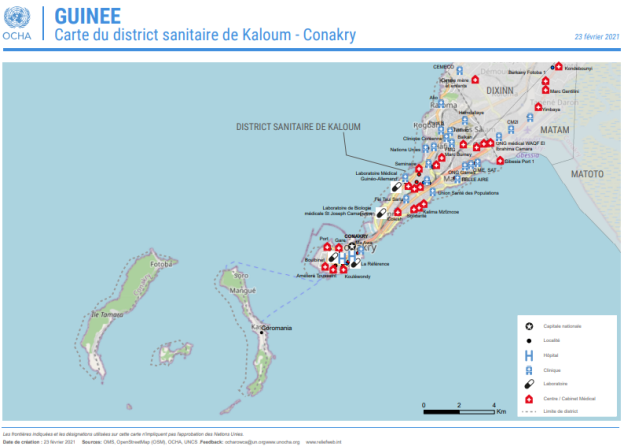
The study was conducted in the maternity ward of the Ignace Deen National University Hospital in Conakry. It has a threefold purpose:
This was a descriptive and cross-sectional observational study, over a 6-month period from July 1 to December 31, 2021.
2.3. Target Population
Were the patients admitted and/or hospitalized for an obstetric cause in the department during the study period.
2.4. Study Population
All women in gravido Puerperality (pregnant/postpartum/postpartum) admitted for obstetric reasons and who received blood transfusion during the study period.
2.5. Selection Criteria for Women
Included in this study were all patients in gravido-Puerperality (pregnant / postpartum / postpartum) admitted or hospitalized in the department for an obstetric cause, who agreed to receive a blood transfusion in their care.
Excluded were all patients admitted or hospitalized in the department for non-obstetrical reasons, all pregnant women transfused elsewhere and then referred to the department for obstetrical reasons who did not receive a transfusion in the department and patients in gravido-puerality who did not agree to participate in the study.
2.6. Recruitment Method
Sampling: Non-probabilistic.
Sample size: We obtained 181 women at the end of the survey.
2.7. Data Collection Tool
The data collection tool used was a pre-established survey form that took into account various variables: sociodemographic information, indications for blood transfusion, types of blood products used, and incidents reported during the transfusion, which we classified into grades: grade 0 (no observed clinical signs), grade 1 (minor adverse effects without life-threatening risk), grade 2 (adverse effects requiring hospitalization without life-threatening risk), grade 3 (life-threatening risk), and grade 4 (death). This information was entered using the Kobocollecte application, version v1.29.
2.8. Analysis Plan
Our data was analyzed using SPSS 21.0 software.
During the descriptive analysis: we calculated proportions for the qualitative variables. The mean, standard deviation, and extreme values for the quantitative variables.
3. Results
Frequency of blood transfusion
During the study period, we recorded 3070 admissions to the Ignace Deen Gynecology and Obstetrics department, among which 181 women received blood transfusions, representing a frequency of 5.89%.
Table 1. Epidemiological characteristics.
Epidemiological characteristics
Number of participants (N = 181)
Percentage
Age range
13-20
40
22
21-28
47
25.9
29-36
47
25.9
37-44
10
5.5
45-52
36
19.5
≥ 53
1
0.5
Average: 26 ± 6.24 years. Range: 13-55 years
Occupation
Student
14
7.73
House wife
83
45.8
Liberal
72
39.77
Employee
12
6.62
Marital status
Bachelor
12
6.62
Bride
169
93.3
Text 1: Level of education: Among the women admitted without a level of education, 53.5% have a primary level of education, 9.9% have a secondary level of education, 22.6% have a higher level of education, and 13.8% have a higher level of education.
Text 2: The mode of admission: 70.1% were evacuated, 28.3% were referred by family, the reference to concern 1.1%.
Text 3: Immediate incidents: 83.42% of our population experienced no incidents; however, we noted headaches and chills in 4.41%, urticaria in 1.61%, and hyperthermia in 6.04%.
Text 4: According to the severity of transfusion incidents: grade 0: 83.42%, grade 1: 11.04%, grade 2: 7.76%, grade 3: 1.10%, grade 4: 1.65%
Table 2. Transfusion indications.
Transfusion indications
Number of employees (N = 181)
Percentage
Anemia during pregnancy
72
39.8
Ruptured Ectopic Pregnancy
6
3.3
Molar Pregnancy
4
2.2
Retroplacental Hematoma
91
50.3
Placenta Paevia covering
1
0.6
Uterine rupture
7
3.8
Table 3. Labile Blood Products Administered.
Types of Labile Blood Products Administered
Number of employees (N = 181)
Percentage
Cheeky Globular
141
77.9
Cheeky Globular + PFC
36
19.8
Fresh Plasma Frozen
1
0.5
Whole blood (ST)
1
0.5
Whole blood + PFC
2
1.1
4. Discussion
The limitations encountered by this study were summarized in terms of the difficulty of obtaining bags of labile blood product from voluntary donors by the patient's family.
Blood transfusion during pregnancy and the postpartum period remains a rare event in developed countries, with a variable frequency of 0.36–2%
[2]
Yang JC, Wang QS, Dang QL, Sun Y, Xu CX, Jin ZK, et al. Investigation of the status quo of massive blood transfusion in China and a synopsis of the proposed guidelines for massive blood transfusion. Medicine (Baltimore). 2017; 96: 7690.
[2]
and 5–6% in developing countries. The rate observed in our study is similar to that reported in the African literature: 5.34% in Abidjan
[7]
Traore A. Transfusion practices in the Gynecology and Obstetrics department of the Treichville University Hospital [Thesis]. Gynecology Obstetrics: Treichville; 2003. 73 p nd.
[7]
, and 7.5% in Gabon in 2011
[13]
Sima ZA, Essola L, Obame R, Ngmas IF, Matsanga A, Moukala A, et al. Transfusion practice in the gynecology-obstetrics operating room at the Libreville hospital center. SARANF 2, RAMUR. 2012; 17; 4: 7.
[13]
. These different incidence rates can be explained by: transfusion needs that vary according to the country and the study, as well as the lack of iron and folic acid supplementation for the prevention of anemia during pregnancy, due to inadequate prenatal care.
Epidemiological characteristics
For maternal age (Table 1), the mean age in our series was 26 ± 6.24 years, with a high frequency in the 29-36 year age group (51.8%). Our result is comparable to that Dayamba in Burkina Faso who had found 26.6
[14]
Méda N, Mandelbrot L, Cartoux M et al. Anemia of pregnancy in Burkina Faso (West Africa), 1995-1996: prevalence and associated factors. Bulletin of the World Health Organization. 1999; 77(11): 961-922.
[14]
; transfusion needs mainly affect patients under 30 years of age. This age range corresponds to the period of full female reproductive activity.
In terms of occupation, housewives were the most represented at 45.8% in our series. This result is comparable to that of the study carried out at CHUGOB in Antananarivo in 2017, which was 55.11%
[15]
Andrianorovelo L. Practice transfusion at CHUGOB [Thesis]. Human Medicine: Antananarivo; 2017.
[15]
. The predominance of housewives could be explained by their position in society as homemakers.
In terms of marital status, married women were more represented at 93.3%; we could not find comparative data in the literature.
Women with no level of education were in the majority in 53.5% of cases, higher level 13.8%, our results were comparable to those of Sawadogo in Burkina Faso who found 70.7% of women with no level of education and 6% with higher level
[20]
Sawadogo K. Practice of blood transfusion in the Gynecology and Obstetrics department of the CHU-YO Burkina Faso [Thesis]. Medicine: Ouagadougou; 2012.
[20]
, this finding would be explained in our study by the gender inequality with a predominance of boys in school in the last ten years.
Admission method (text 2)
The evacuees represented the majority 70.1%, our result was superimposable on that of Samake M
[16]
Sawadogo C. Practice of blood transfusion in the gynecology and obstetrics department of the Yalgado University Hospital Center Ouedraogo (Burkina Faso). Medical thesis, Ouagadougou, Burkina Faso. 2011 – 2012, 119.
[16]
in Mali which had reported 71.7%, the high rate in our series could be explained by the inadequacy of care in peripheral structures.
The indications for transfusion (Table 2) were dominated by direct obstetric causes, with retroplacental hematoma being the leading cause at 50.2%, and during pregnancy at 39.7%. The result in our series corroborates that of Kanté in Guinea, who reported 63.6%
[3]
Kanté AS, Diakité M, Haba NY, Camara KM, Sy T. Anemia and transfusion in parturient women at the maternity ward of the Matam (Conakry) municipal medical center. Annales de la SOGGO 2018. 2018; 34(13): 31-3.
[3]
. This finding shows poor prenatal monitoring, which does not protect against complications related to pregnancy, childbirth, and the postpartum period.
In relation to the Labile Blood Product administered (Table 3), packed red blood cells (PRBCs) were the most administered labile blood product at 77.9% followed by the combined administration of fresh frozen plasma (FFP) and PRBCs at 19.8%, FFP and whole blood were the least administered at an identical frequency of 0.5%, however it remains more used in Abidjan and Benin respectively 82.88% and 98.54%
[17]
Kouakou F, Effoh D, Loué V, Adjory R, N'Guessan K, Koffi A. Transfusion practice in gynecology and obstetrics. Abidjan-Ivory Coast; 2011; 16: 3-9.
[18]
Azanhoué A. Management of blood transfusion in an obstetric setting at the HOMEL in Cotonou [Thesis]. Medicine: Bamako; 2008: 33-9.
[17, 18]
.
Regarding transfusion incidents (text 3), 83.42% of our population did not present any incident; however, we noted headaches and chills in 4.41%, urticaria in 1.61%, and hyperthermia in 6.04%. These various minor rates in our study remain higher than those reported in the literature
[15]
Andrianorovelo L. Practice transfusion at CHUGOB [Thesis]. Human Medicine: Antananarivo; 2017.
[19]
Alfonsi P, Mendes S, Pisapia M, Galiez F, Attard N, Alazia M. Transfusion practices in an emergency department: a retrospective study over 18 months. JEUR. 2007; 20: S172.
[20]
Sawadogo K. Practice of blood transfusion in the Gynecology and Obstetrics department of the CHU-YO Burkina Faso [Thesis]. Medicine: Ouagadougou; 2012.
[15, 19, 20]
. The absence of side effects in the majority of cases in our series can be explained by the strict adherence to pre- and post-transfusion safety measures which were in force in the department, namely: the performance of compatibility tests in the laboratory, the performance of the final test at the patient's bedside to confirm compatibility, the confirmation of the bag identification number on the transfusion form, the regular monitoring of the patient's vital parameters (heart rate, blood pressure, pulse, respiratory rate, temperature, assessment of urine quality, active monitoring during the transfusion) before each transfusion would have contributed to guaranteeing transfusion safety.
Depending on the severity of the incidents (text 4), We reported 3 cases of maternal death, representing 1.65%, corresponding to a grade 4 incident.
5. Conclusion
Blood transfusion is a significant practice at the maternity ward of the Ignace Deen University Hospital in Conakry, although its frequency remains low. Retroplacental hematoma was the most common indication, and packed red blood cells were the most frequently administered labile blood product.
Abbreviations
FFP
Fresh Frozen Plasma
LBP
Labile Blood Products
PRBCss
Packed Red Blood Cells
ST
Whole Blood
Author Contributions
All the authors contributed to the design, data collection, analysis, writing, and proofreading.
Yang JC, Wang QS, Dang QL, Sun Y, Xu CX, Jin ZK, et al. Investigation of the status quo of massive blood transfusion in China and a synopsis of the proposed guidelines for massive blood transfusion. Medicine (Baltimore). 2017; 96: 7690.
[3]
Kanté AS, Diakité M, Haba NY, Camara KM, Sy T. Anemia and transfusion in parturient women at the maternity ward of the Matam (Conakry) municipal medical center. Annales de la SOGGO 2018. 2018; 34(13): 31-3.
[4]
Murphy MF, Wallington TB, Kelsey P, Boulton F, Bruce M, Cohen H et al.; British Committee for Standards in Hematology, Blood Transfusion Working Group. Guidelines for the clinical use of red blood cell transfusions. Br J Haematol. 2001; (113): 24–31.
[5]
Mehrabadi A, Liu S, Bartholomew S, Hutcheon JA, Kramer MS, et al. Temporal trends in postpartum hemorrhage and severe postpartum hemorrhage in Canada from 2003 to 2010. J Obstet Gynecol Can. 2014; 36 (1): 21-33.
[6]
Rukuni R, Bhattacharya S, Murphy MF, Roberts D, Stanworth J, Knight M. Maternal and neonatal outcomes of prenatal anemia in a Scottish population: a retrospective cohort study. Acta Obset Gynecol Scand. 2016; 95: 555-6.
[7]
Traore A. Transfusion practices in the Gynecology and Obstetrics department of the Treichville University Hospital [Thesis]. Gynecology Obstetrics: Treichville; 2003. 73 p nd.
[8]
Holm C, Langhoff-Roos J, Petersen KB, Norgaard A, Diness BR. Severe postpartum hemorrhage and mode of delivery: a retrospective cohort study. BJOG. 2012; 119: 596–604.
[9]
Jakobsson M, Gissler M, Tapper EA-M. Risk factors for blood transfusion during childbirth in Finland. Acta Obset Gynecol Scand. 2013; 92: 414-420.
[10]
Mafirakureva N, Khoza S, Hassall O, Faragher BE, Kajja I, Mvere DA, et al. Profiles of blood and blood component transfusion recipients in Zimbabwe. Blood Transfused. 2015: 0019-15.
[11]
Ouédraogo CMR, A. Ouédraogo, Kaboré RAF, Gondo D, Koné D, Natacha B, Liliou S, Thieba B and Lankoandé J. “Analysis of transfusion needs during the pregnancy and postpartum period in a hospital in Ouagadougou”, Field Actions Science Reports [Online]. 2012(Special Issue 5): 3.
[12]
Chobli M. Blood transfusion in Africa. Cotonou 2011.
[13]
Sima ZA, Essola L, Obame R, Ngmas IF, Matsanga A, Moukala A, et al. Transfusion practice in the gynecology-obstetrics operating room at the Libreville hospital center. SARANF 2, RAMUR. 2012; 17; 4: 7.
[14]
Méda N, Mandelbrot L, Cartoux M et al. Anemia of pregnancy in Burkina Faso (West Africa), 1995-1996: prevalence and associated factors. Bulletin of the World Health Organization. 1999; 77(11): 961-922.
[15]
Andrianorovelo L. Practice transfusion at CHUGOB [Thesis]. Human Medicine: Antananarivo; 2017.
[16]
Sawadogo C. Practice of blood transfusion in the gynecology and obstetrics department of the Yalgado University Hospital Center Ouedraogo (Burkina Faso). Medical thesis, Ouagadougou, Burkina Faso. 2011 – 2012, 119.
[17]
Kouakou F, Effoh D, Loué V, Adjory R, N'Guessan K, Koffi A. Transfusion practice in gynecology and obstetrics. Abidjan-Ivory Coast; 2011; 16: 3-9.
[18]
Azanhoué A. Management of blood transfusion in an obstetric setting at the HOMEL in Cotonou [Thesis]. Medicine: Bamako; 2008: 33-9.
[19]
Alfonsi P, Mendes S, Pisapia M, Galiez F, Attard N, Alazia M. Transfusion practices in an emergency department: a retrospective study over 18 months. JEUR. 2007; 20: S172.
[20]
Sawadogo K. Practice of blood transfusion in the Gynecology and Obstetrics department of the CHU-YO Burkina Faso [Thesis]. Medicine: Ouagadougou; 2012.
Momo, S. A. F., II, S. A., Houdy, B. M., Telly, S. (2026). Blood Transfusion Practices in the Gynecology-Obstetrics Department of the Ignace Deen University Hospital Center in Conakry in 2025. Journal of Gynecology and Obstetrics, 14(2), 65-70. https://doi.org/10.11648/j.jgo.20261402.12
Momo, S. A. F.; II, S. A.; Houdy, B. M.; Telly, S. Blood Transfusion Practices in the Gynecology-Obstetrics Department of the Ignace Deen University Hospital Center in Conakry in 2025. J. Gynecol. Obstet.2026, 14(2), 65-70. doi: 10.11648/j.jgo.20261402.12
Momo SAF, II SA, Houdy BM, Telly S. Blood Transfusion Practices in the Gynecology-Obstetrics Department of the Ignace Deen University Hospital Center in Conakry in 2025. J Gynecol Obstet. 2026;14(2):65-70. doi: 10.11648/j.jgo.20261402.12
@article{10.11648/j.jgo.20261402.12,
  author = {Soumah Aboubacar Fode Momo and Sow Alhassane II and Balde Mamadou Houdy and Sy Telly},
  title = {Blood Transfusion Practices in the Gynecology-Obstetrics Department of the Ignace Deen University Hospital Center in Conakry in 2025},
  journal = {Journal of Gynecology and Obstetrics},
  volume = {14},
  number = {2},
  pages = {65-70},
  doi = {10.11648/j.jgo.20261402.12},
  url = {https://doi.org/10.11648/j.jgo.20261402.12},
  eprint = {https://article.sciencepublishinggroup.com/pdf/10.11648.j.jgo.20261402.12},
  abstract = {Context: The acquisition of blood products in Guinean hospitals is a problem in resolving gynecological and obstetric emergencies. The aim of this study was to evaluate blood transfusion practices in the Gynecology and Obstetrics department of the Ignace Deen University Hospital in Conakry in 2025. Patients and Methods: This was a descriptive, cross-sectional study conducted over a 6-month period, from July 1st to December 31st, 2025, in the Gynecology-Obstetrics Department of the Ignace Deen University Hospital Center in Conakry. The variables studied were: epidemiology, transfusion indications, labile blood products, transfusion incidents, and their severity, classified as grades 0, 1, 2, 3, and 4. SPSS 21.0 software was used for the analysis, and the data were presented as proportions, means, and standard deviations. Results: The transfusion rate of labile blood products was 5.89%, affecting all age groups with a mean age of 26 ± 6.24 years. Packed red blood cells (PRBCs) were the most frequently administered transfusion (77.90% of cases, 141/181), followed by combined PRBCs and fresh frozen plasma (FFP) (19.8%, 36/181). We reported 3 maternal deaths (1.65%), corresponding to a grade 4 incident. Conclusion: Blood transfusion often remains essential in a level III health facility; it allows for the resolution of serious obstetric complications related to hemorrhage.},
 year = {2026}
}
TY  - JOUR
T1  - Blood Transfusion Practices in the Gynecology-Obstetrics Department of the Ignace Deen University Hospital Center in Conakry in 2025
AU  - Soumah Aboubacar Fode Momo
AU  - Sow Alhassane II
AU  - Balde Mamadou Houdy
AU  - Sy Telly
Y1  - 2026/05/11
PY  - 2026
N1  - https://doi.org/10.11648/j.jgo.20261402.12
DO  - 10.11648/j.jgo.20261402.12
T2  - Journal of Gynecology and Obstetrics
JF  - Journal of Gynecology and Obstetrics
JO  - Journal of Gynecology and Obstetrics
SP  - 65
EP  - 70
PB  - Science Publishing Group
SN  - 2376-7820
UR  - https://doi.org/10.11648/j.jgo.20261402.12
AB  - Context: The acquisition of blood products in Guinean hospitals is a problem in resolving gynecological and obstetric emergencies. The aim of this study was to evaluate blood transfusion practices in the Gynecology and Obstetrics department of the Ignace Deen University Hospital in Conakry in 2025. Patients and Methods: This was a descriptive, cross-sectional study conducted over a 6-month period, from July 1st to December 31st, 2025, in the Gynecology-Obstetrics Department of the Ignace Deen University Hospital Center in Conakry. The variables studied were: epidemiology, transfusion indications, labile blood products, transfusion incidents, and their severity, classified as grades 0, 1, 2, 3, and 4. SPSS 21.0 software was used for the analysis, and the data were presented as proportions, means, and standard deviations. Results: The transfusion rate of labile blood products was 5.89%, affecting all age groups with a mean age of 26 ± 6.24 years. Packed red blood cells (PRBCs) were the most frequently administered transfusion (77.90% of cases, 141/181), followed by combined PRBCs and fresh frozen plasma (FFP) (19.8%, 36/181). We reported 3 maternal deaths (1.65%), corresponding to a grade 4 incident. Conclusion: Blood transfusion often remains essential in a level III health facility; it allows for the resolution of serious obstetric complications related to hemorrhage.
VL  - 14
IS  - 2
ER  -
Momo, S. A. F., II, S. A., Houdy, B. M., Telly, S. (2026). Blood Transfusion Practices in the Gynecology-Obstetrics Department of the Ignace Deen University Hospital Center in Conakry in 2025. Journal of Gynecology and Obstetrics, 14(2), 65-70. https://doi.org/10.11648/j.jgo.20261402.12
Momo, S. A. F.; II, S. A.; Houdy, B. M.; Telly, S. Blood Transfusion Practices in the Gynecology-Obstetrics Department of the Ignace Deen University Hospital Center in Conakry in 2025. J. Gynecol. Obstet.2026, 14(2), 65-70. doi: 10.11648/j.jgo.20261402.12
Momo SAF, II SA, Houdy BM, Telly S. Blood Transfusion Practices in the Gynecology-Obstetrics Department of the Ignace Deen University Hospital Center in Conakry in 2025. J Gynecol Obstet. 2026;14(2):65-70. doi: 10.11648/j.jgo.20261402.12
@article{10.11648/j.jgo.20261402.12,
  author = {Soumah Aboubacar Fode Momo and Sow Alhassane II and Balde Mamadou Houdy and Sy Telly},
  title = {Blood Transfusion Practices in the Gynecology-Obstetrics Department of the Ignace Deen University Hospital Center in Conakry in 2025},
  journal = {Journal of Gynecology and Obstetrics},
  volume = {14},
  number = {2},
  pages = {65-70},
  doi = {10.11648/j.jgo.20261402.12},
  url = {https://doi.org/10.11648/j.jgo.20261402.12},
  eprint = {https://article.sciencepublishinggroup.com/pdf/10.11648.j.jgo.20261402.12},
  abstract = {Context: The acquisition of blood products in Guinean hospitals is a problem in resolving gynecological and obstetric emergencies. The aim of this study was to evaluate blood transfusion practices in the Gynecology and Obstetrics department of the Ignace Deen University Hospital in Conakry in 2025. Patients and Methods: This was a descriptive, cross-sectional study conducted over a 6-month period, from July 1st to December 31st, 2025, in the Gynecology-Obstetrics Department of the Ignace Deen University Hospital Center in Conakry. The variables studied were: epidemiology, transfusion indications, labile blood products, transfusion incidents, and their severity, classified as grades 0, 1, 2, 3, and 4. SPSS 21.0 software was used for the analysis, and the data were presented as proportions, means, and standard deviations. Results: The transfusion rate of labile blood products was 5.89%, affecting all age groups with a mean age of 26 ± 6.24 years. Packed red blood cells (PRBCs) were the most frequently administered transfusion (77.90% of cases, 141/181), followed by combined PRBCs and fresh frozen plasma (FFP) (19.8%, 36/181). We reported 3 maternal deaths (1.65%), corresponding to a grade 4 incident. Conclusion: Blood transfusion often remains essential in a level III health facility; it allows for the resolution of serious obstetric complications related to hemorrhage.},
 year = {2026}
}
TY  - JOUR
T1  - Blood Transfusion Practices in the Gynecology-Obstetrics Department of the Ignace Deen University Hospital Center in Conakry in 2025
AU  - Soumah Aboubacar Fode Momo
AU  - Sow Alhassane II
AU  - Balde Mamadou Houdy
AU  - Sy Telly
Y1  - 2026/05/11
PY  - 2026
N1  - https://doi.org/10.11648/j.jgo.20261402.12
DO  - 10.11648/j.jgo.20261402.12
T2  - Journal of Gynecology and Obstetrics
JF  - Journal of Gynecology and Obstetrics
JO  - Journal of Gynecology and Obstetrics
SP  - 65
EP  - 70
PB  - Science Publishing Group
SN  - 2376-7820
UR  - https://doi.org/10.11648/j.jgo.20261402.12
AB  - Context: The acquisition of blood products in Guinean hospitals is a problem in resolving gynecological and obstetric emergencies. The aim of this study was to evaluate blood transfusion practices in the Gynecology and Obstetrics department of the Ignace Deen University Hospital in Conakry in 2025. Patients and Methods: This was a descriptive, cross-sectional study conducted over a 6-month period, from July 1st to December 31st, 2025, in the Gynecology-Obstetrics Department of the Ignace Deen University Hospital Center in Conakry. The variables studied were: epidemiology, transfusion indications, labile blood products, transfusion incidents, and their severity, classified as grades 0, 1, 2, 3, and 4. SPSS 21.0 software was used for the analysis, and the data were presented as proportions, means, and standard deviations. Results: The transfusion rate of labile blood products was 5.89%, affecting all age groups with a mean age of 26 ± 6.24 years. Packed red blood cells (PRBCs) were the most frequently administered transfusion (77.90% of cases, 141/181), followed by combined PRBCs and fresh frozen plasma (FFP) (19.8%, 36/181). We reported 3 maternal deaths (1.65%), corresponding to a grade 4 incident. Conclusion: Blood transfusion often remains essential in a level III health facility; it allows for the resolution of serious obstetric complications related to hemorrhage.
VL  - 14
IS  - 2
ER  -





 Share This Article
 Twitter
 Linked In
 Facebook
 Copy
Copy Download