This study analyzes the challenges faced by small and medium-sized enterprises (SMEs) in Mexico and other Latin American countries in promoting sustainable development through the implementation of Corporate Social Responsibility (CSR) practices, with particular emphasis on Sustainable Development Goal 12 (SDG 12) of the United Nations 2030 Agenda. The objective was to identify the main limitations affecting the adoption of responsible production and consumption practices and to examine the role of CSR in strengthening corporate sustainability. A descriptive-explanatory approach with a documentary research design was employed. The analysis was based on 10 scientific documents published between 2018 and 2025 and identified through databases including SciELO and Redalyc. A narrative synthesis was conducted to identify the main findings, challenges, and contributions reported in the literature. The results indicate that SMEs face significant barriers to integrating CSR into their organizational management, particularly limited knowledge of the Sustainable Development Goals, insufficient training, restricted access to financing, scarce resources for innovation, organizational and cultural barriers, and limited institutional support. The reviewed literature also indicates that CSR can contribute to business competitiveness, innovation, stakeholder relationships, and the generation of social and environmental value when it is incorporated strategically into business processes. The study concludes that promoting CSR among SMEs requires an integrated approach involving business training, awareness-raising, access to financing, institutional incentives, and public policies that facilitate the adoption of sustainable practices aligned with the SDGs. These actions may strengthen the capacity of SMEs to contribute more effectively to sustainable development in Mexico and other Latin American countries.
This is an Open Access article, distributed under the terms of the Creative Commons Attribution 4.0 International License (http://creativecommons.org/licenses/by/4.0/), which permits unrestricted use, distribution and reproduction in any medium or format, provided the original work is properly cited.
Corporate Social Responsibility, SMEs, Corporate Sustainability, 2030 Agenda, Sustainable Development Goal 12
1. Introduction
Small and medium-sized enterprises (SMEs) represent one of the most relevant sectors for economic growth and employment generation in various countries, particularly in emerging economies.
In Mexico, SMEs play a fundamental role in the national economy. Their contribution to employment and production makes them a strategic sector for economic development and reinforces the need for policies that strengthen their resilience and capacity to remain in the market.
Their relevance within the country's economic structure underscores the importance of generating policies and actions that promote their development and strengthen their capacity to continue driving the economy. However, the SME closure rate in Mexico is high.
According to INEGI, between May 2019 and May 2023, 1.7 million micro, small and medium-sized establishments were created and 1.4 million disappeared, illustrating the high dynamism and vulnerability of this business segment
[7]
National Institute of Statistics and Geography (INEGI). (2024). Statistics regarding Micro, Small, and Medium-sized Enterprises (MSMEs) Day. Press Release No. 383/24.
One strategy for reducing business vulnerability is the implementation of Corporate Social Responsibility (CSR) practices. In this study, CSR is examined in relation to Sustainable Development Goal 12 (SDG 12), which promotes responsible production and consumption and seeks to reduce the social, economic, and environmental impacts associated with business activities. CSR can be understood as a management approach that goes beyond legal compliance by incorporating social and environmental considerations into organizational decisions. Its strategic application can strengthen reputation, stakeholder relationships, and long-term value creation. From this perspective, CSR contributes to sustainable development when responsible practices are incorporated into business management rather than treated as isolated actions. The literature also emphasizes that CSR can improve relationships with communities and stakeholders and can contribute to addressing social and environmental challenges
[6]
Romo, A. M. (2025, January). Corporate Social Responsibility and Social Innovation in Small and Medium-Sized Enterprises: Goal 12. Politics, Globality, and Citizenship., 11(21), 5, 2.
Corporate Social Responsibility has therefore evolved toward a broader organizational approach in which economic performance is considered together with social and environmental impacts. The concept of CSR has evolved over time, from philanthropic and cooperative initiatives to more systematic approaches concerned with the social and environmental effects of business activity. Contemporary approaches emphasize its integration into organizational strategy and sustainability management
[10]
Rodriguez. V., Massoud, H., & Vergara, A. I. (2023, Semestral). Corporate Social Responsibility: Evolution of the Term from 1953 to the Present Day. Saberes APUDEP, 6(2), 2.
International agreements and sustainability initiatives have progressively strengthened the relationship between business activity and environmental responsibility. These developments provide historical context for the current integration of CSR and sustainability into organizational management
[5]
Lázaro, B. E., Tejada, A. A., & Contreras, R. J. (n.d.). Corporate Social Responsibility and Environmental Conservation: Strategies and Challenges for Sustainable Development. INVECOM Journal., 5(3), 2.
Regarding corporate sustainability, international initiatives have also contributed to establishing frameworks through which organizations can align their operations with broader social and environmental objectives.
The United Nations Global Compact and other international initiatives provide organizations with frameworks for incorporating sustainability principles into operations and value chains. These approaches are particularly relevant to SMEs because they can guide the integration of responsible practices into business management.
Sustainable development has progressively incorporated the responsibilities of the business sector, giving rise to approaches that connect economic performance with social responsibility and environmental preservation
[4]
Campos, D., & Bermúdez, L. A. (20, julio). SMES Social Responsibility and Susteinable Development. InterSedes, XXI (43), 131-132.
Uribe, M. E., Vargas, Ó. A., & Merchán, L. (2018, October 11). Corporate Social Responsibility and Sustainability: Enabling Criteria in Project Management. Entramado, 4(1), 54, 59, 61.
In relation to the foregoing, it is important to highlight the importance and relationship of SDG 12 of the 2030 Agenda promoted by the United Nations (UN) with SMEs. This goal seeks to reduce the environmental impact generated by production and consumption by promoting efficient use of natural resources, reducing waste, and encouraging more sustainable practices among businesses, governments, and consumers.
The United Nations 2030 Agenda and SMEs
The United Nations General Assembly approved the 2030 Agenda in 2015, establishing 17 Sustainable Development Goals (SDGs) and promoting collaboration among governments, civil society, and the private sector to advance sustainable development.
For SMEs, the Agenda 2030 represents an opportunity to integrate relevant SDGs into business strategies and operational decisions. However, the relevance and capacity to influence each SDG vary among companies, making it necessary to identify priorities according to organizational context and capabilities
[9]
Useche, M. C., Vásquez, L. M., Salazar, F. I., & Ordóñez, M. (21, January 28). Strategic Business Formula for SMEs in Ecuador in the Face of COVID-19. University & Enterprise, 20(40), 9-10.
Despite their economic relevance, SMEs often undertake limited actions to promote sustainable development and face difficulties in implementing CSR practices aligned with SDG 12
[4]
Campos, D., & Bermúdez, L. A. (20, julio). SMES Social Responsibility and Susteinable Development. InterSedes, XXI (43), 131-132.
. This situation justifies examining the organizational, financial, and institutional conditions that influence CSR adoption.
2. Literature Review
CSR has evolved from its historical origins into a broader organizational approach concerned with the social, environmental, and economic consequences of business activity. Recent documentary research confirms that the concept has progressively incorporated sustainability and responsible business practices
[10]
Rodriguez. V., Massoud, H., & Vergara, A. I. (2023, Semestral). Corporate Social Responsibility: Evolution of the Term from 1953 to the Present Day. Saberes APUDEP, 6(2), 2.
Sustainability management has also been supported by standards and frameworks that help organizations identify, manage, and communicate environmental and social impacts. These instruments provide useful criteria for integrating sustainability into organizational and project management
[8]
Uribe, M. E., Vargas, Ó. A., & Merchán, L. (2018, October 11). Corporate Social Responsibility and Sustainability: Enabling Criteria in Project Management. Entramado, 4(1), 54, 59, 61.
The literature shows that reporting and management frameworks have expanded the ways in which companies communicate sustainability performance to stakeholders. Their usefulness, however, depends on the organizational capacity available to implement and maintain such practices.
Recent literature indicates that CSR has moved from being understood primarily as a voluntary or philanthropic practice toward a strategic approach for managing social and environmental impacts and supporting sustainable development
[3]
Bom, Y. I. (2021). Towards Social Responsibility as a Sustainability Strategy in Business Management. University. Zulia, XXVII (No. 2), 5, 13, 14.
Rodriguez. V., Massoud, H., & Vergara, A. I. (2023, Semestral). Corporate Social Responsibility: Evolution of the Term from 1953 to the Present Day. Saberes APUDEP, 6(2), 2.
The connection between CSR and the SDGs is particularly relevant for SMEs because sustainability objectives must be translated into feasible organizational practices. Evidence from Mexican microentrepreneurs indicates a substantial knowledge gap regarding the SDGs, which can hinder their practical incorporation into business management
[1]
Araujo, U. H., Martínez, M. F., & Diez, L. E. (2021, 09 10). Knowledge of the 2030 Sustainability Goals and Perceived Challenges Among Micro-entrepreneurs in Matehuala, San Luis Potosí, Mexico.. FACE, 3, 28(1), 23.
In Latin America, CSR has also been associated with social innovation and responsible consumption. In relation to SDG 12, recent research highlights the potential of CSR to support innovation and more responsible use of resources in SMEs
[6]
Romo, A. M. (2025, January). Corporate Social Responsibility and Social Innovation in Small and Medium-Sized Enterprises: Goal 12. Politics, Globality, and Citizenship., 11(21), 5, 2.
CSR can also contribute to competitiveness and organizational resilience when responsible practices are incorporated into business strategy. This requires moving from isolated actions toward systematic management practices that generate value for stakeholders and the organization
[3]
Bom, Y. I. (2021). Towards Social Responsibility as a Sustainability Strategy in Business Management. University. Zulia, XXVII (No. 2), 5, 13, 14.
Hernández Huerta, A., Ordóñez Sánchez, S. G., & Sánchez Ruanova, S. (2026). Corporate social responsibility in Mexican SMEs as a factor of competitiveness and sustainability. Ciencia Latina Revista Científica Multidisciplinar, 10(3), 115–128.
Research on SMEs in Latin America emphasizes their economic and employment importance while also identifying the need for organizational capabilities, training, and strategic adaptation to strengthen their resilience and competitiveness
[9]
Useche, M. C., Vásquez, L. M., Salazar, F. I., & Ordóñez, M. (21, January 28). Strategic Business Formula for SMEs in Ecuador in the Face of COVID-19. University & Enterprise, 20(40), 9-10.
Another relevant development concerns the integration of sustainability into project management and business decision-making. Uribe et al. propose technical criteria for incorporating social responsibility and sustainability into project management, emphasizing balance among economic, social, and environmental dimensions
[8]
Uribe, M. E., Vargas, Ó. A., & Merchán, L. (2018, October 11). Corporate Social Responsibility and Sustainability: Enabling Criteria in Project Management. Entramado, 4(1), 54, 59, 61.
Financial limitations remain a significant barrier to sustainability implementation. The literature identifies restricted financing and the costs associated with sustainability-oriented investments as challenges for SMEs
[2]
Barrueto, M. T., & Baltazar, O. (2024, 10 05). Impact of Strategic Costs on the Business Sustainability of SMEs: A Literature Review. Scientific Journal of Social Sciences., 601120(e601120), 2.
. Recent systematic evidence likewise shows that strategy and financial performance remain central dimensions in research on CSR and SME sustainability
[12]
Ortega, T. M., Cordero, D. de la O., & Briones Peñalver, A. J. (2025). Corporate Social Responsibility actions and economic sustainability in Small and Medium-sized Enterprises: A systematic literature review. Tec Empresarial, 19(2), 90–111.
Evidence from Costa Rican SMEs shows that many organizations undertake relatively few concrete activities related to sustainable development, supporting the need for training, guidance, and institutional strengthening
[4]
Campos, D., & Bermúdez, L. A. (20, julio). SMES Social Responsibility and Susteinable Development. InterSedes, XXI (43), 131-132.
Recent Mexican evidence provides a more differentiated picture: a study of 68 commercial micro and small businesses found medium levels of CSR knowledge, high implementation in economic and social dimensions, and medium performance in the environmental dimension
[13]
Orozco, C., Rodríguez, A. D., & Amador, M. de L. (2025). Assessment of knowledge and implementation of Corporate Social Responsibility in commercial MSMEs in Chilpancingo, Guerrero, Mexico. Revista Espacios, 46(3), 75–89.
. This suggests that knowledge and implementation do not necessarily develop at the same pace.
Taken together, the literature identifies recurring challenges involving knowledge and training, financial resources, organizational integration, institutional support, and the strategic incorporation of CSR into sustainability and competitiveness. These dimensions provide the analytical basis for the present documentary review
[11]
Hernández Villa, X. C., & Ricardez Jiménez, J. D. (2023). Categories of Public Corporate Social Responsibility in Mexican SMEs. Trascender, Contabilidad y Gestión, 8(24), 101–133.
Ortega, T. M., Cordero, D. de la O., & Briones Peñalver, A. J. (2025). Corporate Social Responsibility actions and economic sustainability in Small and Medium-sized Enterprises: A systematic literature review. Tec Empresarial, 19(2), 90–111.
Orozco, C., Rodríguez, A. D., & Amador, M. de L. (2025). Assessment of knowledge and implementation of Corporate Social Responsibility in commercial MSMEs in Chilpancingo, Guerrero, Mexico. Revista Espacios, 46(3), 75–89.
Heredia Vázquez, A., & Marquetti Nodarse, H. (2025). Corporate Social Responsibility: notes on its evolution in the state of Chihuahua, Mexico. Telos: Journal of Interdisciplinary Studies in Social Sciences, 27(3), 896–906.
Hernández Huerta, A., Ordóñez Sánchez, S. G., & Sánchez Ruanova, S. (2026). Corporate social responsibility in Mexican SMEs as a factor of competitiveness and sustainability. Ciencia Latina Revista Científica Multidisciplinar, 10(3), 115–128.
Recent research also supports the value of structured documentary analysis for identifying patterns and categories in CSR research. A systematic review using PRISMA, Bibliometrix, and Biblioshiny identified CSR, strategy, perceptions, leadership, and financial performance as major areas of research on SME sustainability
[12]
Ortega, T. M., Cordero, D. de la O., & Briones Peñalver, A. J. (2025). Corporate Social Responsibility actions and economic sustainability in Small and Medium-sized Enterprises: A systematic literature review. Tec Empresarial, 19(2), 90–111.
The study employed a descriptive-explanatory approach with a documentary research design. Its purpose was to identify and interpret the main challenges faced by SMEs in Mexico and other Latin American countries in implementing CSR practices associated with sustainable development and SDG 12. The methodological structure comprised four stages: (1) identification of the documentary corpus; (2) selection of relevant sources; (3) categorization and comparative analysis of findings; and (4) narrative synthesis.
The documentary search focused on scientific literature addressing CSR, SMEs, corporate sustainability, sustainable develoment, and SDG 12, with emphasis on publications from 2018 to 2025. SciELO and Redalyc were the principal databases used for the original corpus. Selection prioritized studies directly addressing CSR in SMEs, sustainability strategies, training and knowledge, financial constraints, organizational barriers, institutional conditions, competitiveness, and SDG-related practices. The methodological logic was informed by recent documentary and systematic studies in the field
[11]
Hernández Villa, X. C., & Ricardez Jiménez, J. D. (2023). Categories of Public Corporate Social Responsibility in Mexican SMEs. Trascender, Contabilidad y Gestión, 8(24), 101–133.
Ortega, T. M., Cordero, D. de la O., & Briones Peñalver, A. J. (2025). Corporate Social Responsibility actions and economic sustainability in Small and Medium-sized Enterprises: A systematic literature review. Tec Empresarial, 19(2), 90–111.
Why is Corporate Social Responsibility in SMEs in Mexico and other Latin American countries a challenge for promoting Sustainable Development?
2.3. Objectives
1) Identify the challenges faced by SMEs in Mexico and other Latin American countries in promoting sustainable development through the implementation of Corporate Social Responsibility practices.
2) Examine the relationship between Corporate Social Responsibility and sustainable development in SMEs in relation to Sustainable Development Goal 12 of the 2030 Agenda.
3) Analyze the role of Corporate Social Responsibility as a strategy for strengthening corporate sustainability and contributing to sustainable development in the context of SMEs.
The search and selection process resulted in a documentary corpus of 10 studies directly analyzed in the review. The information extracted from these studies was organized into five analytical categories: (1) knowledge and training regarding sustainability and the SDGs; (2) financial and resource constraints; (3) organizational and cultural barriers; (4) institutional support and public policies; and (5) CSR, innovation, competitiveness, and sustainability. Five additional recent publications were used as contextual and methodological support, but were not counted as part of the original 10-study corpus. This distinction avoids inflating the documentary sample while strengthening the interpretation of the findings
[11]
Hernández Villa, X. C., & Ricardez Jiménez, J. D. (2023). Categories of Public Corporate Social Responsibility in Mexican SMEs. Trascender, Contabilidad y Gestión, 8(24), 101–133.
Ortega, T. M., Cordero, D. de la O., & Briones Peñalver, A. J. (2025). Corporate Social Responsibility actions and economic sustainability in Small and Medium-sized Enterprises: A systematic literature review. Tec Empresarial, 19(2), 90–111.
Orozco, C., Rodríguez, A. D., & Amador, M. de L. (2025). Assessment of knowledge and implementation of Corporate Social Responsibility in commercial MSMEs in Chilpancingo, Guerrero, Mexico. Revista Espacios, 46(3), 75–89.
Heredia Vázquez, A., & Marquetti Nodarse, H. (2025). Corporate Social Responsibility: notes on its evolution in the state of Chihuahua, Mexico. Telos: Journal of Interdisciplinary Studies in Social Sciences, 27(3), 896–906.
Hernández Huerta, A., Ordóñez Sánchez, S. G., & Sánchez Ruanova, S. (2026). Corporate social responsibility in Mexican SMEs as a factor of competitiveness and sustainability. Ciencia Latina Revista Científica Multidisciplinar, 10(3), 115–128.
Table 1 presents the 10 studies that constitute the documentary corpus and summarizes their contribution to the research question. Seven studies were indexed in SciELO and three in Redalyc. Nine were published in Spanish and one in English. The additional recent references cited in the analysis were incorporated after the original corpus was established and were used specifically to strengthen methodological interpretation and contextual discussion.
Table 1. Articles Reviewed and Their Contributions to the Study.
Author / Year
Article Title
Database
Language
Contribution to the Study
Araujo, Martinez & Diez (2021)
Knowledge of the 2030 Sustainability Goals and Problems Perceived by Microentrepreneurs in Matehuala, San Luis Potosí, Mexico
Redalyc / SciELO
Spanish
Provides evidence of the low level of knowledge of the Sustainable Development Goals (SDGs) among Mexican microentrepreneurs, indicating that only a minority knows these goals, which represents a barrier to implementing sustainability strategies in SMEs.
Barrueto & Baltazar (2024)
Impact of Strategic Costs on Business Sustainability of SMEs through a Literature Review
SciELO / Latin American scientific journals
Spanish
Analyzes how sustainability-related costs and lack of financing limit the adoption of sustainable practices in SMEs, identifying economic constraints as one of the main challenges for CSR.
Bom (2021)
Towards Social Responsibility as a Sustainability Strategy in Business Management
Redalyc
Spanish
Argues that CSR has evolved from a philanthropic practice into an organizational strategy oriented toward sustainability and mitigation of social and environmental impacts generated by companies.
Campos & Bermudez (2020)
SMEs, Social Responsibility and Sustainable Development
SciELO / Redalyc
Spanish
Identifies that many SMEs undertake few activities related to sustainable development, demonstrating the need for training programs and institutional strengthening in CSR.
Lazaro, Tejada & Contreras (n.d.)
Corporate Social Responsibility and Environmental Conservation: Strategies and Challenges for Sustainable Development
SciELO
Spanish
Analyzes the relationship between CSR and environmental protection, emphasizing the importance of environmental education and collective work to promote sustainable business practices.
Romo (2025)
Corporate Social Responsibility and Social Innovation in Small and Medium-sized Enterprises: Goal 12
SciELO / Redalyc
Spanish
Relates CSR to social innovation and responsible consumption processes in SMEs, highlighting its link with Sustainable Development Goal 12 of the 2030 Agenda.
Sanchez, Torres & Cruz (2025)
Use of Digital Applications as Tools for Predicting Market Trends in Small Local Businesses
SciELO / Journal International Economy
English
Analyzes the use of technological tools in small businesses to improve competitiveness and decision-making, providing evidence of the importance of innovation and digitalization in business sustainability.
Uribe, Vargas & Merchan (2018)
Corporate Social Responsibility and Sustainability, Enabling Criteria in Project Management
SciELO / Redalyc
Spanish
Proposes sustainability criteria applied to business management and project management, emphasizing the balance between economic growth, social responsibility, and environmental preservation.
Useche, Vasquez, Salazar & Ordóñez (2021)
Strategic Business Formula for SMEs in Ecuador in the Face of COVID-19
SciELO
Spanish
Analyzes the strategic role of SMEs in the economy and the importance of integrating sustainable organizational strategies to strengthen resilience and competitiveness.
Victor, Massoud & Vergara (2023)
Corporate Social Responsibility: Evolution of the Term from 1953 to the Present
Redalyc / SciELO
Spanish
Presents the conceptual evolution of Corporate Social Responsibility from its origins to its current approach linked to sustainability and responsible business development.
3. Results
The documentary analysis identified five interrelated categories that explain the main challenges faced by SMEs in implementing Corporate Social Responsibility (CSR) practices: (1) knowledge and training, (2) financial and resource constraints, (3) organizational and cultural barriers, (4) institutional support and public policy, and (5) the strategic integration of CSR with innovation, competitiveness, and sustainability.
The first category concerns knowledge and training. The literature identifies limited knowledge of the SDGs and sustainability among SME owners and managers as a major barrier. In Mexican microenterprises, only a small proportion of respondents reported knowing at least one SDG, indicating a substantial gap between the global sustainability agenda and its practical appropriation in the local business context
[1]
Araujo, U. H., Martínez, M. F., & Diez, L. E. (2021, 09 10). Knowledge of the 2030 Sustainability Goals and Perceived Challenges Among Micro-entrepreneurs in Matehuala, San Luis Potosí, Mexico.. FACE, 3, 28(1), 23.
. Recent Mexican research further shows that CSR knowledge may remain at a medium level even when some practices are already being implemented, particularly in economic and social dimensions
[13]
Orozco, C., Rodríguez, A. D., & Amador, M. de L. (2025). Assessment of knowledge and implementation of Corporate Social Responsibility in commercial MSMEs in Chilpancingo, Guerrero, Mexico. Revista Espacios, 46(3), 75–89.
. These findings indicate that training should move beyond general awareness toward practical guidance for incorporating sustainability into business decisions.
The second category refers to financial and resource constraints. SMEs frequently face restricted access to financing and limited resources for innovation, environmental technologies, certifications, and formal sustainability systems
[2]
Barrueto, M. T., & Baltazar, O. (2024, 10 05). Impact of Strategic Costs on the Business Sustainability of SMEs: A Literature Review. Scientific Journal of Social Sciences., 601120(e601120), 2.
Romo, A. M. (2025, January). Corporate Social Responsibility and Social Innovation in Small and Medium-Sized Enterprises: Goal 12. Politics, Globality, and Citizenship., 11(21), 5, 2.
. Recent systematic research confirms that financial performance, strategy, and sustainability management are central dimensions in the CSR literature on SMEs
[12]
Ortega, T. M., Cordero, D. de la O., & Briones Peñalver, A. J. (2025). Corporate Social Responsibility actions and economic sustainability in Small and Medium-sized Enterprises: A systematic literature review. Tec Empresarial, 19(2), 90–111.
. The evidence suggests that financial limitations do not operate independently; they interact with training and organizational capabilities, reducing the feasibility of long-term sustainability investments.
The third category concerns organizational and cultural barriers. The reviewed literature indicates that CSR is often implemented through isolated or philanthropic actions rather than as an integrated management strategy
[3]
Bom, Y. I. (2021). Towards Social Responsibility as a Sustainability Strategy in Business Management. University. Zulia, XXVII (No. 2), 5, 13, 14.
. Recent research in Mexican SMEs similarly finds that CSR practices may be implemented without formal strategic integration, limiting their potential contribution to competitiveness and sustainability
[15]
Hernández Huerta, A., Ordóñez Sánchez, S. G., & Sánchez Ruanova, S. (2026). Corporate social responsibility in Mexican SMEs as a factor of competitiveness and sustainability. Ciencia Latina Revista Científica Multidisciplinar, 10(3), 115–128.
. In addition, evidence from Mexican SMEs shows that public disclosure of environmental, social, and governance actions remains limited even among firms holding social responsibility recognition
[11]
Hernández Villa, X. C., & Ricardez Jiménez, J. D. (2023). Categories of Public Corporate Social Responsibility in Mexican SMEs. Trascender, Contabilidad y Gestión, 8(24), 101–133.
. Together, these findings support the need to formalize CSR within planning, operational processes, performance evaluation, and stakeholder management.
The fourth category involves institutional support and public policy. The literature identifies insufficient incentives, specialized support, and institutional mechanisms as conditions that can restrict CSR adoption
[4]
Campos, D., & Bermúdez, L. A. (20, julio). SMES Social Responsibility and Susteinable Development. InterSedes, XXI (43), 131-132.
Uribe, M. E., Vargas, Ó. A., & Merchán, L. (2018, October 11). Corporate Social Responsibility and Sustainability: Enabling Criteria in Project Management. Entramado, 4(1), 54, 59, 61.
. Research on the evolution of CSR in Chihuahua, Mexico, also highlights the role of public policy, certification, and institutional initiatives while identifying costs and organizational capacities as relevant constraints for SMEs
[14]
Heredia Vázquez, A., & Marquetti Nodarse, H. (2025). Corporate Social Responsibility: notes on its evolution in the state of Chihuahua, Mexico. Telos: Journal of Interdisciplinary Studies in Social Sciences, 27(3), 896–906.
. Therefore, institutional support should be designed according to SME capacities and should combine training, incentives, financing mechanisms, and accessible sustainability requirements.
The fifth category addresses the strategic relationship among CSR, innovation, competitiveness, and sustainability. CSR can create value when integrated into organizational strategy, particularly through stronger stakeholder relationships, improved reputation, innovation, and greater adaptability
[6]
Romo, A. M. (2025, January). Corporate Social Responsibility and Social Innovation in Small and Medium-Sized Enterprises: Goal 12. Politics, Globality, and Citizenship., 11(21), 5, 2.
Hernández Huerta, A., Ordóñez Sánchez, S. G., & Sánchez Ruanova, S. (2026). Corporate social responsibility in Mexican SMEs as a factor of competitiveness and sustainability. Ciencia Latina Revista Científica Multidisciplinar, 10(3), 115–128.
. A systematic review of CSR and SME sustainability identifies strategy, leadership, perceptions, and financial performance as consolidated research areas, reinforcing the importance of treating CSR as a management issue rather than an isolated social activity
[12]
Ortega, T. M., Cordero, D. de la O., & Briones Peñalver, A. J. (2025). Corporate Social Responsibility actions and economic sustainability in Small and Medium-sized Enterprises: A systematic literature review. Tec Empresarial, 19(2), 90–111.
The findings also support the incorporation of sustainability criteria throughout project and business management processes. The framework proposed by Uribe et al. emphasizes technical criteria for integrating social responsibility and sustainability into project management and long-term stakeholder relationships
[8]
Uribe, M. E., Vargas, Ó. A., & Merchán, L. (2018, October 11). Corporate Social Responsibility and Sustainability: Enabling Criteria in Project Management. Entramado, 4(1), 54, 59, 61.
. This perspective complements the documentary findings by showing that CSR can be operationalized through organizational processes rather than remaining at the level of general principles.
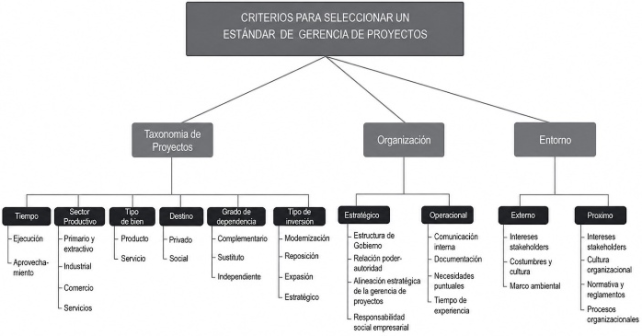
Figure 1. Structure of categories, factors, and criteria for selection.
[Figure 1 from the original article is preserved as a textual placeholder; the source document contains the figure graphic.]
Overall, the documentary evidence converges on the need for an integrated approach in which training and knowledge development, access to financing, organizational formalization, institutional incentives, and strategic management are addressed simultaneously. Recent Mexican evidence also shows that CSR adoption is heterogeneous across economic, social, and environmental dimensions
[11]
Hernández Villa, X. C., & Ricardez Jiménez, J. D. (2023). Categories of Public Corporate Social Responsibility in Mexican SMEs. Trascender, Contabilidad y Gestión, 8(24), 101–133.
Orozco, C., Rodríguez, A. D., & Amador, M. de L. (2025). Assessment of knowledge and implementation of Corporate Social Responsibility in commercial MSMEs in Chilpancingo, Guerrero, Mexico. Revista Espacios, 46(3), 75–89.
Heredia Vázquez, A., & Marquetti Nodarse, H. (2025). Corporate Social Responsibility: notes on its evolution in the state of Chihuahua, Mexico. Telos: Journal of Interdisciplinary Studies in Social Sciences, 27(3), 896–906.
Hernández Huerta, A., Ordóñez Sánchez, S. G., & Sánchez Ruanova, S. (2026). Corporate social responsibility in Mexican SMEs as a factor of competitiveness and sustainability. Ciencia Latina Revista Científica Multidisciplinar, 10(3), 115–128.
In summary, the findings reveal a substantial gap between the global sustainability agenda and its practical adoption within the local business context. The coexistence of a moderate level of knowledge with the implementation of specific practices in the economic and social dimensions suggests that training should not be limited to general awareness-raising; rather, it must evolve toward a pragmatic approach that facilitates the effective integration of sustainability into strategic decision-making. Furthermore, the factors analyzed do not operate in isolation. The interplay between financial resource constraints and cognitive limitations directly shapes the ability of SMEs to translate sustainability principles into operational and long-term sustainable organizational practices. In summary, the implementation of Corporate Social Responsibility (CSR) in SMEs depends on the synergistic interaction of knowledge, financial resources, organizational capabilities, and institutional support. Strengthening these dimensions in a coordinated manner is crucial for fostering the strategic incorporation of responsible production and consumption practices, thereby enhancing the sector's effective contribution to Sustainable Development Goal (SDG) 12.
5. Conclusions
The objective of this study was to analyze the challenges faced by SMEs in Mexico and other Latin American countries in promoting sustainable development through CSR practices. The documentary analysis achieved this objective by identifying five interrelated categories: knowledge and training; financial and resource constraints; organizational and cultural barriers; institutional support and public policy; and the strategic integration of CSR with innovation, competitiveness, and sustainability.
The findings show that limited knowledge of the SDGs, restricted access to financing, scarce resources for innovation, and insufficient training can hinder the adoption of responsible production and consumption practices. At the organizational level, CSR is frequently associated with isolated or philanthropic actions rather than being integrated into planning and decision-making. Recent Mexican evidence confirms that CSR knowledge and implementation vary across economic, social, and environmental dimensions
[11]
Hernández Villa, X. C., & Ricardez Jiménez, J. D. (2023). Categories of Public Corporate Social Responsibility in Mexican SMEs. Trascender, Contabilidad y Gestión, 8(24), 101–133.
Orozco, C., Rodríguez, A. D., & Amador, M. de L. (2025). Assessment of knowledge and implementation of Corporate Social Responsibility in commercial MSMEs in Chilpancingo, Guerrero, Mexico. Revista Espacios, 46(3), 75–89.
, while recent research links more structured CSR practices with competitiveness, stakeholder relationships, and organizational adaptability
[15]
Hernández Huerta, A., Ordóñez Sánchez, S. G., & Sánchez Ruanova, S. (2026). Corporate social responsibility in Mexican SMEs as a factor of competitiveness and sustainability. Ciencia Latina Revista Científica Multidisciplinar, 10(3), 115–128.
From an interpretive perspective, CSR implementation depends not only on business willingness but also on the institutional environment in which SMEs operate. The evidence supports coordinated actions involving training, financing mechanisms, institutional incentives, public policies, and strategic management. The study contributes a structured synthesis of recent evidence and highlights the need for future empirical research that tests CSR implementation models in specific SME contexts.
6. Recommendations
Design pragmatic training programs: It is recommended to shift from general awareness-raising campaigns toward technical and applied training workshops focused on equipping SME managers with operational tools to integrate sustainability criteria into daily decision-making. Implement accessible financing mechanisms: The financial sector and government entities need to develop preferential credit schemes, subsidies, and tax incentives aimed at lowering economic barriers to investment in clean technologies, certifications, and formal environmental management systems. Strengthen the institutional framework and public policies: Government bodies are encouraged to coordinate support policies that combine business incentives with administrative simplification, promoting achievable regulatory frameworks that stimulate the adoption of Corporate Social Responsibility (CSR) and direct alignment with SDG 12. Institutionalize CSR within business strategy: SMEs are encouraged to move beyond isolated philanthropic actions and integrate sustainability across their strategic planning, operational processes, and stakeholder accountability mechanisms. Develop applied empirical research: The academic community is encouraged to conduct quantitative, longitudinal studies evaluating the effectiveness of specific CSR implementation models across particular SME sectors, delving deeper into measuring their actual impact on competitiveness and environmental preservation.
Abbreviations
SMEs
Small and Medium-sized Enterprises
MSMEs
Micro, Small and Medium-sized Enterprises
CSR
Corporate Social Responsibility
SDG
Sustainable Development Goal
SDGs
Sustainable Development Goals
UN
United Nations
INEGI
National Institute of Statistics and Geography
UNIDO
United Nations Industrial Development Organization
GRI
Global Reporting Initiative
ISO
International Organization for Standardization
SA 8000
Social Accountability 8000
AA 1000
Account Ability 1000
COVID-19
Coronavirus Disease 2019
Acknolewledgments
The authors express their sincere gratitude to Rafael Adolfo Nunez Gonzalez, Rector of the Technical University Fidel Velazquez, and to Luis Daniel Vargas Gutiérrez, Principal of Marketing Area, for providing the institutional support and facili-ties necessary to conduct this research. The authors also thank the peer reviewers of Science Publishing Group for their valuable comments and constructive suggestions, which contributed to improving the quality of this manuscript.
Araujo, U. H., Martínez, M. F., & Diez, L. E. (2021, 09 10). Knowledge of the 2030 Sustainability Goals and Perceived Challenges Among Micro-entrepreneurs in Matehuala, San Luis Potosí, Mexico.. FACE, 3, 28(1), 23.
Barrueto, M. T., & Baltazar, O. (2024, 10 05). Impact of Strategic Costs on the Business Sustainability of SMEs: A Literature Review. Scientific Journal of Social Sciences., 601120(e601120), 2.
Lázaro, B. E., Tejada, A. A., & Contreras, R. J. (n.d.). Corporate Social Responsibility and Environmental Conservation: Strategies and Challenges for Sustainable Development. INVECOM Journal., 5(3), 2.
Romo, A. M. (2025, January). Corporate Social Responsibility and Social Innovation in Small and Medium-Sized Enterprises: Goal 12. Politics, Globality, and Citizenship., 11(21), 5, 2.
National Institute of Statistics and Geography (INEGI). (2024). Statistics regarding Micro, Small, and Medium-sized Enterprises (MSMEs) Day. Press Release No. 383/24.
Uribe, M. E., Vargas, Ó. A., & Merchán, L. (2018, October 11). Corporate Social Responsibility and Sustainability: Enabling Criteria in Project Management. Entramado, 4(1), 54, 59, 61.
Useche, M. C., Vásquez, L. M., Salazar, F. I., & Ordóñez, M. (21, January 28). Strategic Business Formula for SMEs in Ecuador in the Face of COVID-19. University & Enterprise, 20(40), 9-10.
Rodriguez. V., Massoud, H., & Vergara, A. I. (2023, Semestral). Corporate Social Responsibility: Evolution of the Term from 1953 to the Present Day. Saberes APUDEP, 6(2), 2.
Hernández Villa, X. C., & Ricardez Jiménez, J. D. (2023). Categories of Public Corporate Social Responsibility in Mexican SMEs. Trascender, Contabilidad y Gestión, 8(24), 101–133.
Ortega, T. M., Cordero, D. de la O., & Briones Peñalver, A. J. (2025). Corporate Social Responsibility actions and economic sustainability in Small and Medium-sized Enterprises: A systematic literature review. Tec Empresarial, 19(2), 90–111.
Orozco, C., Rodríguez, A. D., & Amador, M. de L. (2025). Assessment of knowledge and implementation of Corporate Social Responsibility in commercial MSMEs in Chilpancingo, Guerrero, Mexico. Revista Espacios, 46(3), 75–89.
Heredia Vázquez, A., & Marquetti Nodarse, H. (2025). Corporate Social Responsibility: notes on its evolution in the state of Chihuahua, Mexico. Telos: Journal of Interdisciplinary Studies in Social Sciences, 27(3), 896–906.
Hernández Huerta, A., Ordóñez Sánchez, S. G., & Sánchez Ruanova, S. (2026). Corporate social responsibility in Mexican SMEs as a factor of competitiveness and sustainability. Ciencia Latina Revista Científica Multidisciplinar, 10(3), 115–128.
Contreras, I. S., Martinez, G. C. (2026). Corporate Social Responsibility in SMEs in Mexico and Other Latin American Countries: A Challenge for Promoting Sustainable Development. Journal of World Economic Research, 15(2), 89-96. https://doi.org/10.11648/j.jwer.20261502.13
Contreras, I. S.; Martinez, G. C. Corporate Social Responsibility in SMEs in Mexico and Other Latin American Countries: A Challenge for Promoting Sustainable Development. J. World Econ. Res.2026, 15(2), 89-96. doi: 10.11648/j.jwer.20261502.13
Contreras IS, Martinez GC. Corporate Social Responsibility in SMEs in Mexico and Other Latin American Countries: A Challenge for Promoting Sustainable Development. J World Econ Res. 2026;15(2):89-96. doi: 10.11648/j.jwer.20261502.13
@article{10.11648/j.jwer.20261502.13,
  author = {Ivon Sanchez Contreras and Gabriela Cruz Martinez},
  title = {Corporate Social Responsibility in SMEs in Mexico and Other Latin American Countries: A Challenge for Promoting Sustainable Development},
  journal = {Journal of World Economic Research},
  volume = {15},
  number = {2},
  pages = {89-96},
  doi = {10.11648/j.jwer.20261502.13},
  url = {https://doi.org/10.11648/j.jwer.20261502.13},
  eprint = {https://article.sciencepublishinggroup.com/pdf/10.11648.j.jwer.20261502.13},
  abstract = {This study analyzes the challenges faced by small and medium-sized enterprises (SMEs) in Mexico and other Latin American countries in promoting sustainable development through the implementation of Corporate Social Responsibility (CSR) practices, with particular emphasis on Sustainable Development Goal 12 (SDG 12) of the United Nations 2030 Agenda. The objective was to identify the main limitations affecting the adoption of responsible production and consumption practices and to examine the role of CSR in strengthening corporate sustainability. A descriptive-explanatory approach with a documentary research design was employed. The analysis was based on 10 scientific documents published between 2018 and 2025 and identified through databases including SciELO and Redalyc. A narrative synthesis was conducted to identify the main findings, challenges, and contributions reported in the literature. The results indicate that SMEs face significant barriers to integrating CSR into their organizational management, particularly limited knowledge of the Sustainable Development Goals, insufficient training, restricted access to financing, scarce resources for innovation, organizational and cultural barriers, and limited institutional support. The reviewed literature also indicates that CSR can contribute to business competitiveness, innovation, stakeholder relationships, and the generation of social and environmental value when it is incorporated strategically into business processes. The study concludes that promoting CSR among SMEs requires an integrated approach involving business training, awareness-raising, access to financing, institutional incentives, and public policies that facilitate the adoption of sustainable practices aligned with the SDGs. These actions may strengthen the capacity of SMEs to contribute more effectively to sustainable development in Mexico and other Latin American countries.},
 year = {2026}
}
TY  - JOUR
T1  - Corporate Social Responsibility in SMEs in Mexico and Other Latin American Countries: A Challenge for Promoting Sustainable Development
AU  - Ivon Sanchez Contreras
AU  - Gabriela Cruz Martinez
Y1  - 2026/09/18
PY  - 2026
N1  - https://doi.org/10.11648/j.jwer.20261502.13
DO  - 10.11648/j.jwer.20261502.13
T2  - Journal of World Economic Research
JF  - Journal of World Economic Research
JO  - Journal of World Economic Research
SP  - 89
EP  - 96
PB  - Science Publishing Group
SN  - 2328-7748
UR  - https://doi.org/10.11648/j.jwer.20261502.13
AB  - This study analyzes the challenges faced by small and medium-sized enterprises (SMEs) in Mexico and other Latin American countries in promoting sustainable development through the implementation of Corporate Social Responsibility (CSR) practices, with particular emphasis on Sustainable Development Goal 12 (SDG 12) of the United Nations 2030 Agenda. The objective was to identify the main limitations affecting the adoption of responsible production and consumption practices and to examine the role of CSR in strengthening corporate sustainability. A descriptive-explanatory approach with a documentary research design was employed. The analysis was based on 10 scientific documents published between 2018 and 2025 and identified through databases including SciELO and Redalyc. A narrative synthesis was conducted to identify the main findings, challenges, and contributions reported in the literature. The results indicate that SMEs face significant barriers to integrating CSR into their organizational management, particularly limited knowledge of the Sustainable Development Goals, insufficient training, restricted access to financing, scarce resources for innovation, organizational and cultural barriers, and limited institutional support. The reviewed literature also indicates that CSR can contribute to business competitiveness, innovation, stakeholder relationships, and the generation of social and environmental value when it is incorporated strategically into business processes. The study concludes that promoting CSR among SMEs requires an integrated approach involving business training, awareness-raising, access to financing, institutional incentives, and public policies that facilitate the adoption of sustainable practices aligned with the SDGs. These actions may strengthen the capacity of SMEs to contribute more effectively to sustainable development in Mexico and other Latin American countries.
VL  - 15
IS  - 2
ER  -
Biography:
Ivon Sanchez Contreras holds a Master’s degree in Marketing and is a Research Professor at the Technical University Fidel Velazquez. Her research interests focus on Social Sciences, Management, and Economics.
Biography:
Gabriela Cruz Martinez holds a Master’s degree in Finance and is a Research Professor at the Technical University Fidel Velazquez. Her re-search interests focus on Social Sciences, Management, and Economics.
Contreras, I. S., Martinez, G. C. (2026). Corporate Social Responsibility in SMEs in Mexico and Other Latin American Countries: A Challenge for Promoting Sustainable Development. Journal of World Economic Research, 15(2), 89-96. https://doi.org/10.11648/j.jwer.20261502.13
Contreras, I. S.; Martinez, G. C. Corporate Social Responsibility in SMEs in Mexico and Other Latin American Countries: A Challenge for Promoting Sustainable Development. J. World Econ. Res.2026, 15(2), 89-96. doi: 10.11648/j.jwer.20261502.13
Contreras IS, Martinez GC. Corporate Social Responsibility in SMEs in Mexico and Other Latin American Countries: A Challenge for Promoting Sustainable Development. J World Econ Res. 2026;15(2):89-96. doi: 10.11648/j.jwer.20261502.13
@article{10.11648/j.jwer.20261502.13,
  author = {Ivon Sanchez Contreras and Gabriela Cruz Martinez},
  title = {Corporate Social Responsibility in SMEs in Mexico and Other Latin American Countries: A Challenge for Promoting Sustainable Development},
  journal = {Journal of World Economic Research},
  volume = {15},
  number = {2},
  pages = {89-96},
  doi = {10.11648/j.jwer.20261502.13},
  url = {https://doi.org/10.11648/j.jwer.20261502.13},
  eprint = {https://article.sciencepublishinggroup.com/pdf/10.11648.j.jwer.20261502.13},
  abstract = {This study analyzes the challenges faced by small and medium-sized enterprises (SMEs) in Mexico and other Latin American countries in promoting sustainable development through the implementation of Corporate Social Responsibility (CSR) practices, with particular emphasis on Sustainable Development Goal 12 (SDG 12) of the United Nations 2030 Agenda. The objective was to identify the main limitations affecting the adoption of responsible production and consumption practices and to examine the role of CSR in strengthening corporate sustainability. A descriptive-explanatory approach with a documentary research design was employed. The analysis was based on 10 scientific documents published between 2018 and 2025 and identified through databases including SciELO and Redalyc. A narrative synthesis was conducted to identify the main findings, challenges, and contributions reported in the literature. The results indicate that SMEs face significant barriers to integrating CSR into their organizational management, particularly limited knowledge of the Sustainable Development Goals, insufficient training, restricted access to financing, scarce resources for innovation, organizational and cultural barriers, and limited institutional support. The reviewed literature also indicates that CSR can contribute to business competitiveness, innovation, stakeholder relationships, and the generation of social and environmental value when it is incorporated strategically into business processes. The study concludes that promoting CSR among SMEs requires an integrated approach involving business training, awareness-raising, access to financing, institutional incentives, and public policies that facilitate the adoption of sustainable practices aligned with the SDGs. These actions may strengthen the capacity of SMEs to contribute more effectively to sustainable development in Mexico and other Latin American countries.},
 year = {2026}
}
TY  - JOUR
T1  - Corporate Social Responsibility in SMEs in Mexico and Other Latin American Countries: A Challenge for Promoting Sustainable Development
AU  - Ivon Sanchez Contreras
AU  - Gabriela Cruz Martinez
Y1  - 2026/09/18
PY  - 2026
N1  - https://doi.org/10.11648/j.jwer.20261502.13
DO  - 10.11648/j.jwer.20261502.13
T2  - Journal of World Economic Research
JF  - Journal of World Economic Research
JO  - Journal of World Economic Research
SP  - 89
EP  - 96
PB  - Science Publishing Group
SN  - 2328-7748
UR  - https://doi.org/10.11648/j.jwer.20261502.13
AB  - This study analyzes the challenges faced by small and medium-sized enterprises (SMEs) in Mexico and other Latin American countries in promoting sustainable development through the implementation of Corporate Social Responsibility (CSR) practices, with particular emphasis on Sustainable Development Goal 12 (SDG 12) of the United Nations 2030 Agenda. The objective was to identify the main limitations affecting the adoption of responsible production and consumption practices and to examine the role of CSR in strengthening corporate sustainability. A descriptive-explanatory approach with a documentary research design was employed. The analysis was based on 10 scientific documents published between 2018 and 2025 and identified through databases including SciELO and Redalyc. A narrative synthesis was conducted to identify the main findings, challenges, and contributions reported in the literature. The results indicate that SMEs face significant barriers to integrating CSR into their organizational management, particularly limited knowledge of the Sustainable Development Goals, insufficient training, restricted access to financing, scarce resources for innovation, organizational and cultural barriers, and limited institutional support. The reviewed literature also indicates that CSR can contribute to business competitiveness, innovation, stakeholder relationships, and the generation of social and environmental value when it is incorporated strategically into business processes. The study concludes that promoting CSR among SMEs requires an integrated approach involving business training, awareness-raising, access to financing, institutional incentives, and public policies that facilitate the adoption of sustainable practices aligned with the SDGs. These actions may strengthen the capacity of SMEs to contribute more effectively to sustainable development in Mexico and other Latin American countries.
VL  - 15
IS  - 2
ER  -





 Share This Article
 Twitter
 Linked In
 Facebook
 Copy
Copy Download