Research Article | | Peer-Reviewed

Supplementation of Defatted Soybean Flour on Wheat Flour to Improve the Protein Value of Ethiopian Traditional Bread “Difo Dabbo”

Received: 22 October 2026     Accepted: 31 October 2026     Published: 23 November 2026
Views:       Downloads:
Abstract

Difo Dabbo is traditional Ethiopian bread prepared mainly from wheat flour, water, yeast or a traditional fermentation starter, and salt. It is commonly associated with traditional household baking and is known for its thick, round loaf and soft, bread-like interior. Modern lifestyles and market trends have increased the demand for the development of innovative functional food products that support healthy eating habits and meet consumers’ nutritional needs. This study aimed to enhance nutrient content of wheat flour by supplementing soybean flour with wheat flour in the preparation of Ethiopian traditional bread “Difo Dabbo”. The experiment was conducted by blending soybean flour with wheat flour the 5%, 10%, 15% and 20% basis. The effect of this supplementation on the rheological properties of the resulting dough was investigated using farinograph for quality assessment of the final product. Results indicated that Water absorption was increased as the proportion of defatted soybean flour increase in comparison with wheat dough, which was expected due to the increment in total protein proportion and the high water absorption capacity of soybean flour. Dough development time (DDT) and dough stability (S) were delayed by the inclusion of soybean flours at 10% substitution. This shows that the 10% defatted soybean flour substitution has a better dough rheological characteristic than the other which can be related to the gluten strength. Softening degree (SD) was decreased by the inclusion of defatted soybean flours substitution increase. The traditional bread Difo Dabbo was made from substitution of wheat flour with defatted soybean flour and evaluated for proximate and sensory qualities of the product. Protein, ash, moisture and crude fiber contents of the Difo Dabbo increased as blend proportions increase compared with the control (no fortification with defatted soybean flour) but reduced the fat, and carbohydrate contents. The overall acceptability of Difo Dabbo decreased with increasing substitution. Overall, the findings demonstrated that defatted soybean flour can be incorporated into wheat flour at a 10% substitution level to produce Difo Dabbo with desirable physicochemical properties, improved nutritional value, and acceptable sensory characteristics.

Published in Science Discovery Nutrition (Volume 1, Issue 2)
DOI 10.11648/j.sdnutr.20260102.15
Page(s) 116-129
Creative Commons

This is an Open Access article, distributed under the terms of the Creative Commons Attribution 4.0 International License (http://creativecommons.org/licenses/by/4.0/), which permits unrestricted use, distribution and reproduction in any medium or format, provided the original work is properly cited.

Copyright

Copyright © The Author(s), 2026. Published by Science Publishing Group

Keywords

Difo Dabo, Wheat, Farinograph, Soybean, Supplementation, Sensory Analysis

1. Introduction
Dough preparation is one of the oldest biochemical processes traditionally employed in Ethiopia to produce Ethiopian traditional bread “Difo Dabbo” from wheat flour. This method has long been used in the production of various types of bread. Although the main function of sourdough is to facilitate leavening through yeast activity, it also promotes acidification as a result of the metabolic activities of lactic acid bacteria present in the dough . Ethiopian traditional bread, locally known as Difo Dabbo, is an important component of the Ethiopian diet and holds considerable cultural and socioeconomic significance. It remains deeply rooted in Ethiopian traditions, and many families consider it an essential food for holiday celebrations. However, the precise historical origin of sourdough bread in Ethiopia remains unclear. The primary ingredients used in preparing Ethiopian traditional bread are wheat flour, sometimes blended with teff (Eragrostis tef) or barley flour. Alternatively, the bread can be produced using whole meal wheat flour or combinations of different flours with relatively high extraction rates. The traditional bread-making process in Ethiopia is based largely on empirical knowledge and practices that have developed and been refined over many generations .
Wheat based diets are poor protein regarding essential amino acid content especially lysine as the first limiting amino acid. Since the human body cannot produce lysine on its own, this essential amino acid must be obtained through dietary sources or supplements. The recommended daily intake of lysine is estimated to range from 30 to 64 mg per kilogram of body weight. Insufficient lysine intake can contribute to protein deficiency and poor nutritional status, potentially leading to protein-energy malnutrition, a condition that remains a major concern, particularly in developing countries . Protein-energy malnutrition has been identified as one of the major forms of malnutrition documented in Ethiopia . In communities where wheat serves as a staple food, inadequate protein intake may contribute to nutritional deficiencies, particularly when diets lack sufficient quantities of high-quality protein sources. One contributing factor is the relatively low protein content of some commonly consumed cereal-based foods. Improving the nutritional quality of wheat-based foods is an important strategy for addressing dietary protein inadequacy . Protein fortification of wheat bread is primarily intended to improve its nutritional value by providing consumers with an affordable and readily available source of protein. This can be achieved through bio fortification by incorporating protein-rich ingredients, such as alternative flours or protein concentrates, into wheat flour. In particular, soybean flour and other soybean-derived products offer promising options for increasing the protein content and improving the overall nutritional quality of wheat bread . Cereal-legume complementation is a recognized strategy for addressing some of these limitations. Legumes generally contain more lysine than cereal grains, whereas cereal proteins can contribute amino acids that are relatively limited in certain legume proteins, including sulfur-containing amino acids. The nutritional benefit of combining the two sources depends on their relative proportions, the characteristics of the raw materials, and the processing conditions. Soybean flour is particularly relevant because its protein can complement wheat protein and increase the total protein concentration of composite flour products .
Soybeans and their derived products have long served as major sources of dietary protein and have also been used in traditional medicine by millions of people in East Asia. Originating in this region, soybeans have played an essential role in local diets, comparable to the importance of wheat in the United States. Although soybean consumption in Asia dates back thousands of years, its introduction and commercial development in Western countries occurred primarily during the twentieth century. Their popularity initially increased with the growing demand for soybean oil and subsequently expanded due to the use of high-quality soybean meal as a protein-rich ingredient in animal feed. Since the late 1950s, the soybean processing industry has experienced substantial growth in the production of soybean protein ingredients intended for human consumption. In the United States, annual production of these products has exceeded one billion pounds, equivalent to approximately four pounds per person . Soybean protein products have been used as nutritional and functional food ingredients in every food category available to the consumer.
Soybean is a valuable plant-based protein source, recognized for its high protein content, favorable amino acid composition, and relatively low saturated fat content. In addition to its nutritional value, soybean protein has been associated with several potential health benefits and functional properties that make it suitable for food fortification. Incorporating soybean flour into wheat flour is a practical approach to improving the nutritional quality of wheat-based foods. This combination is particularly beneficial because wheat protein is relatively low in lysine, an essential amino acid required for normal growth and body functions, whereas soybean protein provides a comparatively abundant supply of this amino acid. Consequently, blending soybean flour with wheat flour can increase the overall protein content and improve the essential amino acid balance of the resulting food product. Although earlier assessments suggested that soybean protein might be limited in sulfur-containing amino acids, subsequent evaluations have provided a more comprehensive understanding of its nutritional quality. Nevertheless, the protein quality of soybean should be assessed using appropriate amino acid scoring methods and digestibility data rather than assuming that it is equivalent to that of animal-derived proteins under all conditions. Previous research has indicated that combining soybean flour with wheat flour can improve the availability of essential amino acids and enhance the nutritional value of cereal-based foods. Therefore, fortifying wheat flour with soybean flour, potentially alongside selected micronutrients, may be a promising strategy for addressing dietary protein inadequacy and improving nutritional security, particularly among populations vulnerable to malnutrition. The incorporation of defatted soybean flour is especially relevant because it provides concentrated protein while contributing less fat than full-fat soybean flour. In the context of Ethiopian traditional bread (Difo Dabbo), this approach could offer an opportunity to develop a protein-enriched food product using locally adaptable processing methods. However, the appropriate supplementation level should be determined by evaluating nutritional composition, protein quality, dough handling characteristics, bread quality, and sensory acceptability to ensure that nutritional improvements do not compromise consumer preferences .
For Difo Dabo, replacing a proportion of wheat flour with defatted soybean flour could therefore improve the protein concentration and potentially improve the essential amino acid balance of the bread. However, the magnitude of the improvement must be established experimentally because it will depend on the protein contents of the flour ingredients, the supplementation level, and the composition of the final baked product. Supplementing wheat flour with soybean flour, particularly defatted soybean flour, may provide a cost-effective approach to increasing protein content and improving the essential amino acid balance of wheat-based products. This strategy could support the development of more nutritious traditional foods and contribute to improved dietary protein intake among populations at risk of malnutrition.
2. Materials and Methods
2.1. Preparation of Composite Flour
First grade wheat flour were obtained from Chilalo Food Complex currently used for bread production and defatted soybean flour from Kunifira Agro Processing PLC Factory located in Gelan sub city, Sheger city, Oromia and dry yeast, and salt from local market. Defatted soybean flour was blended in various proportions in wheat flour as described in Table 1. After thorough blending the flours were mixed using laboratory beating (mixing) machine (Model: R100C, CAT) to get the uniform dispersion of the soybean flour particles with that of wheat flour.
Table 1. Proportions of defatted soybean flour and wheat flour.

Formulations of Bread

Whole wheat flour (%)

Defatted soybean flour (%)

CB

100

0.0

SB1

95

5.0

SB2

90

10

SB3

85

15

SB4

80

20

2.2. Experimental Design
This experiment was carried out by factor arranged in a completely randomized design (CRD) with a One-way analysis of variance performed in triplicate (n=3). The factor is supplementing of defatted soybean flour on whole wheat flour considered in four levels. The selection of supplementing ratio was considered based on the observation of preliminary studies.
2.3. Physico-chemical Characteristics of Bread Flour and Blended Flour
2.3.1. Falling Number
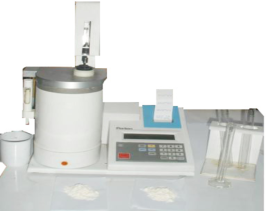
The falling number of the blended flour samples was determined using a Hagberg Falling Number apparatus (Model 1500, Sweden), following the ICC Standard No. 107/1 for assessing the alpha-amylase activity of flour. Briefly, each flour sample was mixed thoroughly with 50 mL of water in a test tube and then placed in the falling number apparatus for analysis. The falling number value for each sample was automatically displayed by the instrument and recorded for further analysis.
Figure 1. Falling Number measuring instrument (Perten Instruments, 2005).
2.3.2. Water Activity Analysis
The water activity (aw) of wheat flour and blended flour samples was measured using an AquaLab water activity meter manufactured by Decagon Devices (2004). Briefly, each sample was placed in a small plastic cup supplied with the instrument, filling approximately half of the cup. The cup was then inserted into the instrument, and the water activity value was measured and recorded from the instrument’s automatic display.
Figure 2. Water activity measuring instrument, Aqua Lab Lite, (Decagon aw meter, 2004).
2.3.3. Gluten Content Determination
To get better yield of gluten 10gm of each flour sample was mixed with 5ml of 2% NaCl solution to form dough using the laboratory dough mixer (Model B15, China). The developed dough was washed with 2% NaCl solution until all the starch and soluble protein was removed completely using laboratory gluten washer model MLI-5000 (Buhler, Switzerland). The gluten after washing was rinsed with tap water to remove salt from it. The wet gluten was pressed by gluten press and weighed by digital balance. The wet gluten obtained after washing was checked for its elasticity by stretching it with two hands.
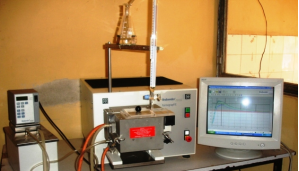
Figure 3. Farinograph measuring instrument.
2.3.4. Farinograph Measurement
The farinograph values such as water absorption, stability, dough development, degree of softening and farinograph quality number of the blended flours were measured using the Brabender Farinograph according to the standard method of ICC No 115/1 for the determination of the farinograph values of wheat flour. The instrument automatically determines the amount of flour to be poured into the mixer of the farinograph based on the moisture content of the flour. The farinograph was equipped with a 300 g capacity mixer. Mixing was carried out for 20 minutes. The speed of the torque was adjusted to be 63 min.-1.
2.3.5. Moisture Content
The moisture content of flour samples were determined using infrared moisture analyzer (MBA 310, England) where 10 gm of each sample spread on clean aluminum foil plate and placed in the moisture analyzer. The temperature of the tester was adjusted at a temperature of 130°C and drying was carried out for 10 minutes.
2.3.6. Color Grade
The color grade values (whitness) of the flour samples were measured to make sure the brightness of the flours. 30 g of flour sample was placed in a beaker containing 50 ml distilled water and made in to a paste by continuously stirring it with a glass rod for 45 seconds. The paste was poured in to the sample cell and the sample cell containing the paste was inserted in to the carriage of the instrument. The result was displayed within 90 seconds.
2.3.7. Ash Content
The ash content of wheat flour and blended flour samples were measured by grain analyzer (Minifra-2000T) the samples were placed in a sample cell (cuvette) and inserted in to the machine. The ash content of the samples were read from the instrument and recorded.
2.4. Preparation of Ethiopian Traditional Bread “Difo Dabbo”
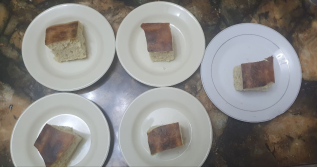
Difo Dabbo making processes followed in this study was currently traditionally employed in Ethiopia. Enset plant leaf was used to decorate the surface of the Difo Dabbo. To determine the size of Difo Dabbo reference to traditional bakers was made and literature was further referred . The levels of each ingredient mix were also based on traditional knowledge and scientific reports. The dough formulation used in this study comprised: 500 g flour (wheat or wheat/soybean mixture), water (based on a farinograph test using the 500 BU line), 2.5gm compressed yeast, and 5gm sodium chloride (Table 4). Ingredients were mixed in (Model B-20-F 294 rpm mixer). Yeast and salt were dissolved separately in water, and the remaining ingredients were added as solids. The dough were fermented in bowls, covered with wet clean muslin cloth for 55 min at room temperature and proofed in a proofing cabinet for 90min at 30°C, 70% relative humidity. Finally the bulk dough was sheeted in a Patra and baked at 250 oC for 15-20 min on (Model GL-2A infrared food oven) which is shown as Figure 4
Table 2. Proportions of ingredients for Difo Dabbo.

Treatment

Whole wheat flour (gm)

Defatted soybean flour (gm)

Yeast (gm)

Salt (gm)

Water (ml)

CB

500

0

2.5

5

264.5

SB1

475

25

2.5

5

308.0

SB2

450

50

2.5

5

315.0

SB3

425

75

2.5

5

326.5

SB4

400

100

2.5

5

341.0

CB: Treatment of Difo Dabbo for 0% as Control, SB1: Treatment of Difo Dabbo for 5%, SB2: Treatment of Difo Dabbo for 10% SB3: Treatment of Difo Dabbo for 15% and SB4: Treatment of Difo Dabbo for 20%
Figure 4. Formulated Difo Dabo for treatments.
2.5. Analysis of Proximate Composition of Difo Dabbo
The proximate analysis included contents of moisture, total ash, crude protein, crude fiber, and crude fat in Difo Dabbo according to AOAC (2000) using the official methods 925.09, 923.03, 979.09, 962.09, and 4.5.01, respectively.
2.5.1. Determination of Moisture Content
Moisture of Difo Dabboa were determined according to AOAC (2000) using the official method 925.09. A clean dried and covered flat aluminum dish was weighed and about 5gm of the sample was transferred to the dish. The dish then placed in the oven (memmert 854Schwabach, West Germany) at 105 oC. for 5hrs and cooled in a desiccator and then re-weighed. Finally, the moisture content was estimated by the formula: -
% Moisture =M2-M1M3*100
Where: M1 = weight of sample + dish
M2 = weight of dry sample
M3 = weight of fresh sample
2.5.2. Determination of Crude Protein
Protein content was determined according to AOAC (2000) using the official method 979.09. A digestion flask containing about 0.5 g of sample, to which 6 ml of conc. Sulphuric acid and about 3g of catalyst mixture (K2SO4 and CuSO4) were added and exposed to about 370 oC in order to allow digestion. Then, distillation took place by adding 25 ml of 40% NaOH and using 25 ml of boric acid with 10 drops of indicator solution. Finally, the distillate was titrated with standardized 0.1N hydrochloric acid to a reddish color. The crude protein content was estimated using the formula: -
% of Nitrogen= ml of HCl*N HCl *14*100
Weight of the sample in (mg)
% Protein content ofDifo Dabbo=% Nitrogen * 6.25
%Protein content ofDifo Dabbo=% Nitrogen * 6.25
where: 6.25 are factors for wheat flour product.
2.5.3. Determination of Crude Fat
A clean and dried thimble containing about 5 g of dried sample and covered with fat free cotton at the bottom and top was placed in the extraction chamber. Then, extraction took place for a t least 4hrs using diethyl ether as solvent according to AOAC (2000) official method 4.5.01. The crude fat content was determined by the formula:
Wf= W a - Wb
Fat (gm100 gm sample=WfWd*(100-M)
where: Wa = weight of extraction flask + fat
Wb = weight of extraction flask
M = moisture content of the sample
Wd = weight of sample on dry basis
Wf = weight of fat
2.5.4. Determination of Total Ash
A dry porcelain dish containing 2g sample was placed in a muffle furnace (Model Mr 170 E, Germany) set at 550 oC for 1hr. It was allowed to cool in a desiccator and re-weighed. Then ash content was determined by AOAC (2000) using the official method 923.03 and applying a simple formula: -
% Ash =M2-M1M3*100
Where: M1 = Mass of empty crucible
M2 = mass of crucible + Ash
M3 = mass of sample
2.5.5. Determination of Crude Fiber
Crude fiber analysis was conducted using the method of AOAC (2000) official method 962.09. About 1.5g weighed sample was transferred into a 600 ml beaker and about 200 ml 1.25%sulfuric acid was added and boiled for 30 minutes. Recording took place by placing a watch glass over the mouth of the beaker. After 30 minutes heating by gently keeping the level constant with distilled water, 20 ml 28% KOH was added and again boiled gently for further 30 minutes. Subsequently, washing was conducted with 1% sulfuric acid and NaOH solution. Then, filtered and dried it in the electric oven (memmert 854 Schwabach, West Germany) at 130 oC for 2hrs. Furthermore, it was cooled at room temperature for 30 minutes in a desiccators and weighed, then transferred it to crucible to muffle furnace (GALLENKAMP, Model FSL 340-0100, U.K.) for 30minute ashing at 550 oC. Finally, it was cooled again in desiccators and re-weighed. The crude fiber content was determined by using the formula: -
Crude fiber = (gm) =[(W1-W2) (100-M)
100W3
where w = crucible weight after dryin
w = crucible weight after ashing
w = dry weight
M =% moisture of the sample
2.5.6. Total Carbohydrates
The total carbohydrate content of both Difo Dabboa products were determined by difference using the formula described below.
% Total carbohydrates = 100 -[%Fat +%Protein +%Ash + Moisture%Crude fiber%].
2.6. Sensory Evaluation
Appearance, aroma,; taste, texture, scoop formability and over all acceptability of Difo Dabbo made from wheat flour supplemented with soybean flour at different levels namely control (CB), 5% SB1 10% (SB2), 15% (SB3) and 20% (SB4), were evaluated with ten trained panelists comprising students from Food Science and technology department following standard procedures . The ten panelists were seated individually in order to avoid dependency of one panel on the other. The samples of Difo Dabbo were served in a randomized order in glass tray coded with two digit random codes . At each session, samples were served on white saucers identified with three-digit code numbers to eliminate bias. The aroma of the samples was immediately assessed after removing the lid. Appearance was assessed after aroma, followed by taste and then texture. Potable water was available for assessors to cleanse their mouth between samples during evaluation. A nine point hedonic scale with 1 representing the least score (dislike extremely) and 9 the highest score (like extremely) were used.
2.7. Data Analysis
All the data namely physico chemical properties and the proximate composition of the Difo Dabbo were analyzed as of one way analysis of variance (ANOVA). Preliminary one way analyses of the sensory attribute data were made first as of two ways ANOVA where judges were considered main effect. The result, however, gave no significant difference among judges. Hence following the analysis the physico chemical and proximate composition, the attribute data were treated as of one way ANOVA. Data transformation for the analysis was conducted as appropriate. Significance was declared when p values (P<0.05) followed by mean separation using the least significant differences (LSD) procedures of the Minitab, version 19.
3. Result and Discussion
3.1. Physico-chemical Characteristics of Wheat Flour and Blended Flour Samples
The physico-chemical properties of wheat flour and blended flour such as moisture, color grade, wet gluten, ash content, falling number and water activity of each blending proportion were determined and described in Table 3.
Table 3. Physico-chemical characteristics of wheat flour and blended flour samples Mean ± SE.

Treatment

CB

SB1

SB2

SB3

SB4

Color grade

2.13 e ± 0.10

4.52 d ±0.20

5.95 c ±0.35

7.68 b ±0.10

9.71a ±0.00

Moisture (%)

10.20 a ±0.20

9.92 a ±0.70

9.34 b ±0.10

9.17 b ±0.10

9.13 c±0.15

Ash (%)

0.59 e ± 0.10

0.74 d ±0.20

0.85 c±0.20

0.94 b± 0.05

1.08 a ±0.02

Water activity

0.551 a ±0.03

0.546 a ±0.03

0.548 a ±0.06

0.554 a±0.10

0.548 a±0.10

FallingNo (sec)

267 a ± 3.00

255 a ±1.00

235.5 b ±5.50

214 c ± 3.50

207 c ± 4.0

Wet gluten (%)

30.1 a ±0.10

28.05 b ±0.15

24.25 c ±0.55

22.25 d±0.55

18.40 e ±0.50

All values were means of duplicates + SE.
a-e Means with the same superscript letters with in the rows are not significantly different at (p<0.05) levels.
The mean color of wheat flour and blends significantly (p<0.05) increased from 2.13 to 9.71 in the increasing order of soybean blending proportion respectively from 0% to 20%. This means that low color grade result indicates a clean, bright, high- grade, while a high result indicates dull flour of low grade. Color grade and flour ash are generally well correlated since both are closely related to the milling extraction . It is a fast method of controlling flour quality. From result in Table 3 the color grade value increase as soybean flour increase this is due to soybean bean had higher ash contents and; were less bright in color compared to the wheat flours. The present finding was consistent with reports of previous studies .
The mean moisture of wheat flour and blends significantly (p<0.05) decreased from 10.2% to 9.13% in the decreasing order of soybean blending proportion respectively from 0% to 20% as indicated in Table 3. The 20% defatted soybean flour substitution has the lowest moisture content while 0% (control) has showed the highest value. The mean falling number wheat flour and blends significantly (p<0.05) decreasing from 267sec to 207sec in the increasing order of soybean blending proportion respectively from 0% to 20% as indicated in Table 3. This means that the falling number decrease as increasing blending ratio this is due to the presence of lepoxgeneous and beta amylase activity in soybean flour . Such a difference could be attributed to have optimum enzymatic activity. The present finding was consistent with reports of Sologuk & Sorenson, 2005 .
The mean wet gluten content of wheat flour and blends significantly (p<0.05) decreased from 30.1% to 18.4% in the decreasing order of soybean blending proportion respectively from 0% to 20% as indicated in Table 3. This means that the soybean/wheat flour mixtures significantly decrease gluten content, this is because of soybean flour do not have gluten content and as blending ratio increase the wet gluten decrease. The present finding was consistent with reports of Dora, etal., 2010 .
The mean ash of wheat flour and blends significantly (p<0.05) increased from 0.59% to 1.08% in the increasing order of soybean blending proportion respectively from 0% to 20%. The variation in ash content might be due to the increment defatted soybean flour. This means that soybean bean rich in mineral. The present finding was consistent with reports of Dhingra S. and Jood S., 2004 .
The mean water activity of wheat flour and blends no significant (p≥0.05) increased from 0.548% 0.551% in the increasing order of soybean blending proportion respectively from 0% to 20%. This means that there is no significance difference between wheat flour and blends. Such a difference could be attributed to water activity values of the samples indicate that values are in the safe range of keeping quality. The present finding was consistent with reports of Bekele, 2009 .
3.2. Farinograph Values of Flour Sample
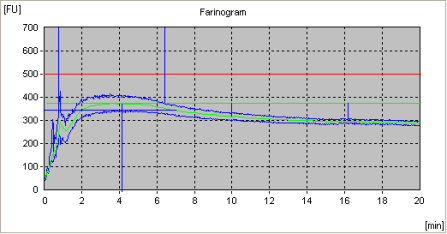
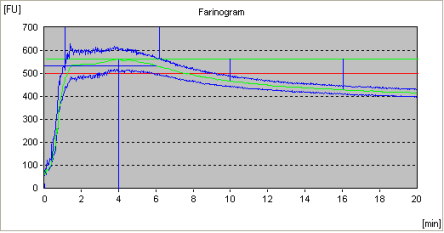
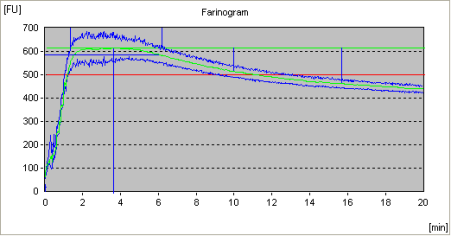
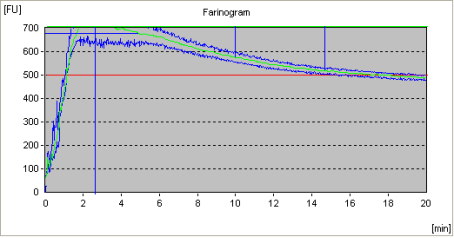
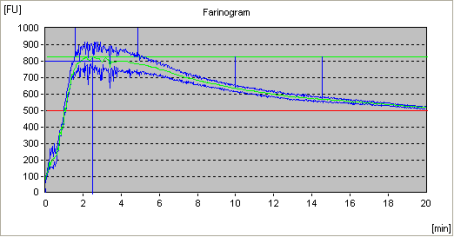
The visco-elastic properties of dough made of each sample was determined by farinograph which measures and records the resistance to mixing of dough as it is formed from flour and water. Water absorption was increased as the proportion of DSF increase in comparison with wheat dough, which was expected due to the increment in total protein proportion and the high water absorption capacity of soybeana flour. Dough development time (DT) and dough stability (S) were delayed by the inclusion of soybean flours at (5%&10%) substitution while 15%&20% addition showed the opposite effect. This shows that the 5% and 10% DSF substitution has a better dough rheological characteristic than the other which can be related to the gluten strength. Softening degree (SD) was decreased by the inclusion of soybean flours at (5%&10%) substitution compare to 15%&20%. Soybean products weakened the dough at higher soybean/wheat ratio produced a very sticky dough which was difficult to handle due to the presence of optimum enzyme activity in soybean flour. This was in agreement with Dora., et al., 2010 . The total farinograph total views were each sample was given as Figures 5-9 below.
Figure 5. Farinogram of bread flour for the 0%.
Figure 6. Farinogram of wheat/ soybean flour for the 5% sample.
Figure 7. Farinogram of wheat/ soybean flour for the 10% sample.
Figure 8. Farinogram of wheat/ soybean flour for the 15% sample.
Figure 9. Farinogram of wheat/ soybean flour for the 20% sample.
3.3. Proximate Analysis of Defatted Soybean Flour and Wheat Flour
Determining the proximate composition of defatted soybean flour was found appropriate in order to explain the contribution of supplementation. Accordingly the composition of defatted soybean flour was showed 8.47±0.21 for moisture, 6.8 ±0.13 for crude ash, 53.35±0.28 for crude protein and 2.4±0.055 for crude fat. The amount protein in defatted soybean flour was significantly higher compared to wheat flour. The level of crude proteins (53.35%) in defatted soybean flour was higher than that of wheat flour (9.47%). This could obviously be due to the significant quantity of protein in DSF. The present finding was consistent with reports of Pablo, et al 2005 . The fat content (2.4%) of the defatted soybean flour was higher than that of wheat flour (1.84%). This is may be the oil content is not completely removing. The ash content in defatted soybean flour (6.8%) higher than wheat flour (0.59%). This may be due to the high mineral content of soybean flour.
3.4. Proximate Composition and Water Activity of Difo Dabbo
Table 4. Proximate composition of Difo Dabbo supplemented with soybean flour (on a dry weight basis). (Mean±SE).

Treatment

CB

SB1

SB2

SB3

SB4

Moisture (%)

32.41d±.382

33.29c±.140

34.86 b±.233

34.97 b ±.056

35.86 a ±.339

Ash (%)

0.82 c±.020

0.93 c±.042

1.18 b ±.056

1.28ab±.049

1.39 a ±.049

Crude fiber (%)

0.65 c±.025

2.12 b ±.150

2.17 b±.115

2.32 ab ±.015

2.39 a ±.015

Fat (%)

1.99 a±.010

1.93 b±.025

1.92 b±.010

1.89b ±.005

1.90 b ±.010

Protein (%)

9.95 e±.084

11.12 d ±.261

13.27 c±.268

15.91b ±.155

16.68 a ±.120

Water activity

0.90 c±.007

0.91 bc ±007

0.92bc±.007

0.93 ab ±.007

0.95 a ±.014

CHO (%)

54.19 a±.260

49.85 b±.555

46.89 c ±.320

43.63 d ±.125

41.75 e ±.140

All values are means of duplicates ± SE.
a-e Means with the same superscript letters with in the rows are not significantly different at.
(p<0.05) levels.
The proximate composition such as moisture content, total ash, crude protein, crude fiber, crude fat and total carbohydrate and water activity of the normal and DSF supplemented Difo Dabbo products were determined.
The mean crude protein in DSFSA (defatted soybean flour supplemented Difo Dabbo) and control (0%) WFA (wheat flour Difo Dabbo) significantly (p<0.05) increased from 9.95% to 16.68% in the increasing order of soybean blending proportion respectively from 0% to 20% as in Table 4. This means that the protein content was observed to increase with progressive increase in proportion of DSF, indicating that supplementation of wheat flour with DSF would greatly improve the protein nutritional quality of Difo Dabbo. This could obviously be due to the significant quantity of protein in DSF. The present finding was consistent with reports of Asiedu, 1989; Kure et al., 1998; Basman et al., 2003 .
The mean ash in DSFSA and WFA is significantly (p<0.05) increased from 0.82% to 1.39% in the increasing order of soybean blending proportion respectively from 0% to 20% as in Table 4. The highest ash content of Difo Dabbo was obtained as the addition of DSF increase. This may be due to the high mineral content of soybean flour. The present finding was consistent with reports of Mishra., et, al, 1991; Dhingra S. and jood S., 2002 .
The mean moisture in DSFSA and WFA significantly (p<0.05) increased from 32.41% to 35.86% in the increasing order of soybean blending proportion respectively from 0% to 20% as in Table 4. This means that the moisture content was observed to increase with progressive increase in proportion of DSF, indicating that supplementation of DSF flour would greatly improve the moisture content of Difo Dabbo this is because soybean flour have high water absorption capacity. The present finding was consistent with reports of .
The mean crude fat in DSFSA (defatted soybean flour supplemented Difo Dabbo) and normal (0%) WFA (wheat flour Difo Dabbo) not significantly (p≥0.05) decreased from 1.99% to 1.89 in the increasing order of soybean blending proportion respectively from 0% to 20% as in Table 4. This means that where the highest fat content was recorded for 0%. This may be due to the removal oil content of soybean flour. The present finding was consistent with reports of Ariahu et al., 1999; Onyeka and Dibia, 2002; Plahar et al., 2003. .
The carbohydrate contents of Difo Dabbo were highest with respect to all proximate composition parameters (crude protein, crude fiber, ash, moisture and fat) determined in this study. This was expected as the ingredients were composed of mainly carbohydrate rich materials. However the mean carbohydrate of in DSFSA and (0%) WFA significantly (p<0.05) decreased from 54.19% to 41.75%. This means that due to increase proportion of the DSF in the Difo Dabbo product. The products have high protein and moisture content. The present finding was consistent with reports of Shakuntala, 2009 .
The mean water activity measurement of DSFSA and WFA there is no significant (p≥0.05) increased from 0.90 to 0.95 in the increasing order of soybean blending proportion respectively from 0% to 20% as in Table 4. This means that the highest water activity measurement of DSFSA is due to increments of DSF because DSF have higher water absorption capacity. The present finding was consistent with reports of Food Science Australia, 2005 .
3.5. Sensory Analysis of the Difo Dabbo
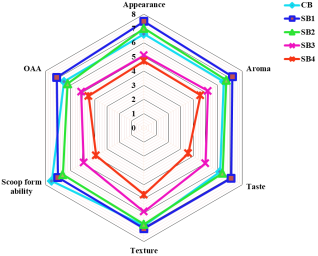
Sensory evaluation is an important criterion for quality assessment in new product development and to meet the consumer requirements. Any new product must give satisfaction and pleasure to the consumers if it has to be a part of their eating habit. Therefore, the Difo Dabbo prepared from DSF enriched wheat flour was evaluated for various sensory characteristics and their results are indicated in Figure 10.
Figure 10. Mean sensory scores of Difo Dabo.
The visual appearance of any food is the first organoleptic sense of a consumer experiences. Therefore if the fortified food has had any changes in color and appearance the consumer is more likely to reject the product. Composition of flours temperature and time of baking and addition of additives affect the appearance and other properties of the bread. In this study, composition and baking conditions were kept constance hence any change may be due to addition and fortificants.
The mean score appearance of DSFSA not significantly (p≥0.05) changed for 0%, 5% and 10% as indicated in Figure 10. This means that fortification of 5%, 10% DSFSA (defatted soybean flour Supplemented Difo Dabbo) and control (0%) WFA (Wheat Flour Difo Dabbo) have numerical value (7.5, 7 and 6.6) and also the mean score of 15% substitution level also accepted. These results very clearly indicated that incorporating soybean flour up to 15% level of supplementation didn’t bring a difference on the acceptability of the Difo Dabbo with respect to appearance. However 20% was not accepted. The present finding was consistent with reports of Olaoye, 2006 .
Aroma is the odor of a food product. The same criteria for color and appearance apply for aroma. The consumer must not be able to detect a discernable difference. Any detectable change in aroma caused by fortification is unacceptable.
The mean score of aroma DSFSA not significantly (p≥0.05) changed for 0%, 5% and 10%as indicated in Figure 10. This means that fortification of 5%, 10% DSFSA and control (0%) WFA have numerical value (7.2, 6.7 and 6.5) and also the mean score of 15% substitution level also accepted. These results very clearly indicated that incorporating soybean flour up to 15% level of supplementation didn’t bring a difference on the acceptability of the Difo Dabbo with respect to Aroma. However 20% was not accepted. The present finding was consistent with reports of Eddo, et al., 2007 .
Taste is the main criterion that makes the product to be liked or disliked. It is evident from the results in (Figure 10) that like other attributes the mean score taste of DSFSA not significantly (p≥0.05) changed for 0%, 5% and 10%. This means that fortification of 5%, 10% DSFSA and control (0%) WFA have numerical value (7.1, 6.4 and 6.2) and also the mean score of 15% substitution level also accepted. These results very clearly indicated that incorporating soybean flour up to 15% level of supplementation didn’t bring a difference on the acceptability of the Difo Dabbo with respect to Aroma. However 20% was not accepted. The present finding was consistent with reports of Mashayekh, et al., 2008 .
Surface texture of bread can be the dullness or shininess of a surface, the roughness evenness does the surface appearance wet or dry soft or hard crisp or tough. It is depend on the moisture content and the time of fermentation. The mean texture score of DSFSA not significantly (p≥0.05) changed for 0%, 5% and 10%as indicated in Figure 10. This means that fortification of 5%, 10% DSFSA and control (0%) WFA have numerical value (6.9, 6.4 and 7.1) and also the mean score of 15% substitution level also accepted. These results very clearly indicated that incorporating soybean flour up to 15% level of supplementation didn’t bring a difference on the acceptability of the Difo Dabbo with respect to surface texture. However 20% was not accepted. The present finding was consistent with reports of Mashayekh, et al., 2008 .
Scoop forming ability is the tendency of the dough to increase its size during fermentation. If the scoop forming ability of the given wheat flour is good it produces a bread having good texture. the mean score Scoop forming ability of DSFSA not significantly (p≥0.05) changed for 0%, 5% and 10 as indicated in Figure 10. This means that fortification of 5%, 10% DSFSA and control (0%) WFA have numerical value (7, 6.6 and 7.5) and also the mean score of 15% substitution level also accepted. These results very clearly indicated that incorporating soybean flour up to 15% level of supplementation didn’t bring a difference on the acceptability of the Difo Dabbo with respect to Scoop forming ability. However 20% was not accepted. The present finding was consistent with reports of .
Over all acceptability was not significant affected by the amount of DSF fortificant added to the wheat flour. The mean score of overall acceptability DSFSA not significantly (p≥0.05) changed for 0%, 5% and 10 as indicated in Figure 10. This means that fortification of 5%, 10% DSFSA and control (0%) WFA have numerical value (7.1, 6.2 and 6.5) and also the mean score of 15% substitution level also accepted. These results very clearly indicated that incorporating soybean flour up to 15% level of supplementation didn’t bring a difference on the acceptability of the Difo Dabbo with respect to Overall acceptability. However 20% was not accepted. The present finding was consistent with reports of .
The results showed that the overall acceptability score of all the supplemented Difo Dabbo at the 5%, 10%and 15% level was accepted. Therefore, substitution of DSF higher than 15% did not produce organoleptically acceptable Difo Dabbo.
4. Conclusions
The present study confirmed that the blending of wheat flour with defatted soybean flour at different levels have given appreciable results. In the formulation of value added food products Difo Dabbo fortification of soybean flour is advantageous due to the increased nutritional value (higher Ash and protein content) and higher water absorption with acceptable consumer attitude in sensory characteristics. The sensory evaluation of Difo Dabbo samples has showed that some formulations were highly accepted by panelists and they had overall acceptability. Therefore, current study concludes that, the effect of this fortification on the Physico chemical properties of the resulting dough and farinograph was investigated using for quality assessment of the final product. Adding defatted soybean flour gave better result of good of Difo Dabbo. The addition of defatted soybean flour to wheat flour in bakery applications enhanced the protein content in the food. This will provide a more nutritious product, particularly for consumers for whom Difo Dabbo is the main source of dietary protein. The study also confirmed that the blending of wheat flour with defatted soybean flour at different levels altered the organoleptic properties of different blended Difo Dabbo products. In general of all soybean flour levels the products made with 20% soybean flour blend was less accepted by panelists.
Abbreviations

AOAC

Association of Official Analytical Collaboration

ANOVA

Analysis of Variance

CAT

Commercial and Analytical Technology

CRD

Completely Randomized Design

DDT

Dough Development Time

DSF

Deffatted Soybean Flour

DSFSA

Defatted Soybean Flour Supplemented

ICC

International Association for Cereal Chemistry

SD

Softening Degree

LSD

Least Significant Differences

WFA

Wheat Flour A

Acknowledgments
We thank Food and Beverage Industry Research and Development Center for the financial support and facilitation for this study. Addis Ababa Science and Technology University, Central Laboratory is also greatly acknowledged for providing reagents and materials that were needed to conduct the present study.
Author Contributions
Berhanu Regasa Jima: Conceptualization, Data curation, Formal Analysis, Funding acquisition, Investigation, Methodology, Resources, Software, Writing – original draft, Writing – review & editing
Yodit Fikadu Demissie: Conceptualization, Data curation, Formal Analysis, Funding acquisition, Investigation, Methodology, Software, Visualization, Writing – original draft, Writing – review & editing
Data Availability Statement
The datasets generated and/or analyzed during the current study are available from the corresponding author upon reasonable request.
Conflicts of Interest
The authors declare no conflicts of interest.
References
[1] K. Urga and H. V Narasimha, “Traditional Sour Dough Bread (Difo Dabbo) Making: II. effects on the HCL-extractability of minerals,” Ethiop. J. Heal. Dev., vol. 12, no. 3, 1998.
[2] N. M. Meybodi, L. Mirmoghtadaie, Z. Sheidaei, and A. M. Mortazavian, “Wheat bread: Potential approach to fortify its lysine content,” Curr. Nutr. Food Sci., vol. 15, no. 7, pp. 630-637, 2019.
[3] M. Friedman and D. L. Brandon, “Nutritional and health benefits of soy proteins,” J. Agric. Food Chem., vol. 49, no. 3, pp. 1069-1086, 2001.
[4] D. Z. Alomari et al., “Wheat grains as a sustainable source of protein for health,” Nutrients, vol. 15, no. 20, p. 4398, 2023.
[5] A. D. Bouras, M. Meziane, A. D. Bouras, and S. Megateli, “Fortifying wheat bread with whey proteins: impact on nutritional value and technological properties.,” South Asian J. Exp. Biol., vol. 11, no. 6, p. 700, 2021.
[6] K. Sharma, W. Zhang, and S. Rawdkuen, “Dietary plant-based protein supplements: Sources, processing, nutritional value, and health benefits,” Foods, vol. 14, no. 18, p. 3259, 2025.
[7] G. Dukariya, S. Shah, G. Singh, and A. Kumar, “Soybean and its products: Nutritional and health benefits,” J. Nutr. Sci. Heal. Diet, vol. 1, no. 2, pp. 22-29, 2020.
[8] P. D. Ribotta, S. A. Arnulphi, A. E. Leon, and M. C. Añón, “Effect of soybean addition on the rheological properties and breadmaking quality of wheat flour,” J. Sci. Food Agric., vol. 85, no. 11, pp. 1889-1896, 2005.
[9] N. O. Eddy, P. G. Udofia, and D. Eyo, “Sensory evaluation of wheat/cassava composite bread and effect of label information on acceptance and preference,” African J. Biotechnol., vol. 6, no. 20, p. 2415, 2007.
[10] N. E. O. Najm, A. Olabi, S. Kreyydieh, and I. Toufeili, “Determination of visual detection thresholds of selected iron fortificants and formulation of iron-fortified pocket-type flat bread,” J. Cereal Sci., vol. 51, no. 3, pp. 271-276, 2010.
[11] J. L. Sidel and H. Stone, “The role of sensory evaluation in the food industry,” Food Qual. Prefer., vol. 4, no. 1-2, pp. 65-73, 1993.
[12] B. Mekuria and S. A. Emire, “Effects of vital gluten enrichment on qualities of value added products.,” 2015.
[13] D. Fenn, O. M. Lukow, G. Humphreys, P. G. Fields, and J. I. Boye, “Wheat-legume composite flour quality,” Int. J. Food Prop., vol. 13, no. 2, pp. 381-393, 2010.
[14] G. G. Codina and A. Leahu, “The improvement of the quality of wheat flour with a lower content of α-amylase through the addition of different enzymatic products,” Sci. Pap. Agric Ser, vol. 52, pp. 629-635, 2009.
[15] S. Sologuk and B. Sorenson, “Understanding wheat quality test,” North. Crop. Institute. ER06, no. 02, p. 5, 2005.
[16] S. D. Shfali Dhingra and S. J. Sudesh Jood, “Effect of flour blending on functional, baking and organoleptic characteristics of bread.,” 2004.
[17] G. C. Orkwor, R. Asiedu, and I. J. Ekanayake, “Food yams,” Adv. Res., pp. 39-62, 1998.
[18] A. Basman, H. Köksel, and P. K. W. Ng, “Utilization of transglutaminase to increase the level of barley and soy flour incorporation in wheat flour breads,” J. Food Sci., vol. 68, no. 8, pp. 2453-2460, 2003.
[19] O. A. Kure, E. J. Bahago, and E. A. Daniel, “Studies on the proximate composition and effect of flour particle size on acceptability of biscuit produced from blends of soyabeans and plantain flours,” Namida Tech-Scope J, vol. 3, pp. 17-21, 1998.
[20] P. Misra, M. S. Usha, and S. S. Surjan Singh, “Soy-wheat flour blends: chemical, rheological and baking characteristics.,” 1991.
[21] S. Dhingra and S. Jood, “Effect of flour blending on functional, baking and organoleptic characteristics of bread,” Int. J. Food Sci. Technol., vol. 39, no. 2, pp. 213-222, 2004.
[22] M. Mashayekh, M. R. Mahmoodi, and M. H. Entezari, “Effect of fortification of defatted soy flour on sensory and rheological properties of wheat bread,” Int. J. Food Sci. Technol., vol. 43, no. 9, pp. 1693-1698, 2008.
[23] U. Ukpabi, “Production of African bread-fruit (Treculia africana) and soybean (Glycine max) seed based food formulations, 1: Effects of germination and fermentation on nutritional and organoleptic quality,” Plant Foods Hum. Nutr., vol. 54, no. 3, pp. 193-206, 1999.
[24] U. Onyeka and I. Dibia, “Malted weaning food made from maize, soybean, groundnut and cooking banana,” J. Sci. Food Agric., vol. 82, no. 5, pp. 513-516, 2002.
[25] W. A. Plahar, C. A. Nti, and N. T. Annan, “Effect of soy-fortification method on the fermentation characteristics and nutritional quality of fermented maize meal,” Plant Foods Hum. Nutr., vol. 51, no. 4, pp. 365-380, 1997.
[26] S. B. Masur, K. C. Tarachand, and U. N. Kulkarni, “Comparative evaluation of full and defatted soy flour based bakery products.,” 2009.
[27] K. Farrer, To feed a nation: a history of Australian food science and technology. Csiro Publishing, 2005.
[28] O. A. Olaoye, A. A. Onilude, and O. A. Idowu, “Quality characteristics of bread produced from composite flours of wheat, plantain and soybeans,” African J. Biotechnol., vol. 5, no. 11, 2006.
Cite This Article
  • APA Style

    Jima, B. R., Demissie, Y. F. (2026). Supplementation of Defatted Soybean Flour on Wheat Flour to Improve the Protein Value of Ethiopian Traditional Bread “Difo Dabbo”. Science Discovery Nutrition, 1(2), 116-129. https://doi.org/10.11648/j.sdnutr.20260102.15

    Copy | Download

    ACS Style

    Jima, B. R.; Demissie, Y. F. Supplementation of Defatted Soybean Flour on Wheat Flour to Improve the Protein Value of Ethiopian Traditional Bread “Difo Dabbo”. Sci. Discov. Nutr. 2026, 1(2), 116-129. doi: 10.11648/j.sdnutr.20260102.15

    Copy | Download

    AMA Style

    Jima BR, Demissie YF. Supplementation of Defatted Soybean Flour on Wheat Flour to Improve the Protein Value of Ethiopian Traditional Bread “Difo Dabbo”. Sci Discov Nutr. 2026;1(2):116-129. doi: 10.11648/j.sdnutr.20260102.15

    Copy | Download

  • @article{10.11648/j.sdnutr.20260102.15,
      author = {Berhanu Regasa Jima and Yodit Fikadu Demissie},
      title = {Supplementation of Defatted Soybean Flour on Wheat Flour to Improve the Protein Value of Ethiopian Traditional Bread “Difo Dabbo”},
      journal = {Science Discovery Nutrition},
      volume = {1},
      number = {2},
      pages = {116-129},
      doi = {10.11648/j.sdnutr.20260102.15},
      url = {https://doi.org/10.11648/j.sdnutr.20260102.15},
      eprint = {https://article.sciencepublishinggroup.com/pdf/10.11648.j.sdnutr.20260102.15},
      abstract = {Difo Dabbo is traditional Ethiopian bread prepared mainly from wheat flour, water, yeast or a traditional fermentation starter, and salt. It is commonly associated with traditional household baking and is known for its thick, round loaf and soft, bread-like interior. Modern lifestyles and market trends have increased the demand for the development of innovative functional food products that support healthy eating habits and meet consumers’ nutritional needs. This study aimed to enhance nutrient content of wheat flour by supplementing soybean flour with wheat flour in the preparation of Ethiopian traditional bread “Difo Dabbo”. The experiment was conducted by blending soybean flour with wheat flour the 5%, 10%, 15% and 20% basis. The effect of this supplementation on the rheological properties of the resulting dough was investigated using farinograph for quality assessment of the final product. Results indicated that Water absorption was increased as the proportion of defatted soybean flour increase in comparison with wheat dough, which was expected due to the increment in total protein proportion and the high water absorption capacity of soybean flour. Dough development time (DDT) and dough stability (S) were delayed by the inclusion of soybean flours at 10% substitution. This shows that the 10% defatted soybean flour substitution has a better dough rheological characteristic than the other which can be related to the gluten strength. Softening degree (SD) was decreased by the inclusion of defatted soybean flours substitution increase. The traditional bread Difo Dabbo was made from substitution of wheat flour with defatted soybean flour and evaluated for proximate and sensory qualities of the product. Protein, ash, moisture and crude fiber contents of the Difo Dabbo increased as blend proportions increase compared with the control (no fortification with defatted soybean flour) but reduced the fat, and carbohydrate contents. The overall acceptability of Difo Dabbo decreased with increasing substitution. Overall, the findings demonstrated that defatted soybean flour can be incorporated into wheat flour at a 10% substitution level to produce Difo Dabbo with desirable physicochemical properties, improved nutritional value, and acceptable sensory characteristics.},
     year = {2026}
    }
    

    Copy | Download

  • TY  - JOUR
    T1  - Supplementation of Defatted Soybean Flour on Wheat Flour to Improve the Protein Value of Ethiopian Traditional Bread “Difo Dabbo”
    AU  - Berhanu Regasa Jima
    AU  - Yodit Fikadu Demissie
    Y1  - 2026/11/23
    PY  - 2026
    N1  - https://doi.org/10.11648/j.sdnutr.20260102.15
    DO  - 10.11648/j.sdnutr.20260102.15
    T2  - Science Discovery Nutrition
    JF  - Science Discovery Nutrition
    JO  - Science Discovery Nutrition
    SP  - 116
    EP  - 129
    PB  - Science Publishing Group
    UR  - https://doi.org/10.11648/j.sdnutr.20260102.15
    AB  - Difo Dabbo is traditional Ethiopian bread prepared mainly from wheat flour, water, yeast or a traditional fermentation starter, and salt. It is commonly associated with traditional household baking and is known for its thick, round loaf and soft, bread-like interior. Modern lifestyles and market trends have increased the demand for the development of innovative functional food products that support healthy eating habits and meet consumers’ nutritional needs. This study aimed to enhance nutrient content of wheat flour by supplementing soybean flour with wheat flour in the preparation of Ethiopian traditional bread “Difo Dabbo”. The experiment was conducted by blending soybean flour with wheat flour the 5%, 10%, 15% and 20% basis. The effect of this supplementation on the rheological properties of the resulting dough was investigated using farinograph for quality assessment of the final product. Results indicated that Water absorption was increased as the proportion of defatted soybean flour increase in comparison with wheat dough, which was expected due to the increment in total protein proportion and the high water absorption capacity of soybean flour. Dough development time (DDT) and dough stability (S) were delayed by the inclusion of soybean flours at 10% substitution. This shows that the 10% defatted soybean flour substitution has a better dough rheological characteristic than the other which can be related to the gluten strength. Softening degree (SD) was decreased by the inclusion of defatted soybean flours substitution increase. The traditional bread Difo Dabbo was made from substitution of wheat flour with defatted soybean flour and evaluated for proximate and sensory qualities of the product. Protein, ash, moisture and crude fiber contents of the Difo Dabbo increased as blend proportions increase compared with the control (no fortification with defatted soybean flour) but reduced the fat, and carbohydrate contents. The overall acceptability of Difo Dabbo decreased with increasing substitution. Overall, the findings demonstrated that defatted soybean flour can be incorporated into wheat flour at a 10% substitution level to produce Difo Dabbo with desirable physicochemical properties, improved nutritional value, and acceptable sensory characteristics.
    VL  - 1
    IS  - 2
    ER  - 

    Copy | Download

Author Information
  • Food and Beverage Industry Research and Development Center, Manufacturing Industry Development Institute, Addis Ababa, Ethiopia

    Biography: Berhanu Regasa Jima serves as a researcher and desk supervisor at the Manufacturing Industry Development Institute, specifically within the Food and Beverage Industry Research and Development Center located in Addis Ababa, Ethiopia. Mr. Berhanu earned his master's degree in food technology from the Faculty of Food and Chemical Engineering at Bahir Dar Institute of Technology in Bahir Dar, Ethiopia. He has a keen interest in developing food products, ensuring food quality and safety, beverages, and assessing the quality of ethnic and traditional foods.

  • Food and Beverage Industry Research and Development Center, Manufacturing Industry Development Institute, Addis Ababa, Ethiopia

    Biography: Yodit Fikadu Demissie is currently employed as a researcher at the Manufacturing Industry Development Institute, specifically at the Food and Beverage Industry Research and Development Center in Addis Ababa, Ethiopia. She has earned her master's degree in Food Safety and Quality from the Faculty of Food and Chemical Engineering at the Bahir Dar Institute of Technology in Bahir Dar, Ethiopia. Miss Yodit is particularly passionate about human nutrition and the enrichment of food items.

  • Abstract
  • Keywords
  • Document Sections

    1. 1. Introduction
    2. 2. Materials and Methods
    3. 3. Result and Discussion
    4. 4. Conclusions
    Show Full Outline
  • Abbreviations
  • Acknowledgments
  • Author Contributions
  • Data Availability Statement
  • Conflicts of Interest
  • References
  • Cite This Article
  • Author Information