Research Article | | Peer-Reviewed

Synthesis, Characterization, Biocidal and Molecular Docking Profiles of Zn(II) Complex Derived from Schiff Base Ligands

Received: 11 March 2026     Accepted: 2 April 2026     Published: 21 April 2026
Views:       Downloads:
Abstract

Ligand, oroaniline were combined to synthesize Zn(II) complex. Characterization was performed through determining parameters such as melting point, solubility, molar conductivity, electronic and FTIR spectra studies, thermal analysis, scanning electron microscopy (SEM), profiled for their biocidal effects, and performed docking calculations to determine protein binding ability of the metal complex. Results of melting points was in the range of 188 – 194°C, indicating thermal stability, their insoluble nature in polar solvents and narrow range of conductivity indices (5.6 – 18 Ω/cm-2) highlights their non-electrolytic nature in solutions. Comparing the UV-Vis spectra of the compounds revealed major shifts which were backed up by the FTIR spectra. This confirmed coordination through nitrogen and oxygen donor atoms of the ligands. The thermal results of the ligands revealed good stability with multiple non-spontaneous decomposition steps evident from the energy of activation data. The enhanced biocidal effect of the complex in comparison with the ligand confirms chelation with increased rigid structure. Molecular docking analysis of the metal complex gave binding affinity score of -172.67 in comparison with chloroquine as the reference antimalarial medication with score of -120.36. The result indicate stronger binding interaction with the target protein. The biological function and binding interaction of the Schiff base Zn(II) complex are essential for its application as biocidal agent in therapy upon optimization and functionalization.

Published in Science Journal of Chemistry (Volume 14, Issue 2)
DOI 10.11648/j.sjc.20261402.12
Page(s) 49-59
Creative Commons

This is an Open Access article, distributed under the terms of the Creative Commons Attribution 4.0 International License (http://creativecommons.org/licenses/by/4.0/), which permits unrestricted use, distribution and reproduction in any medium or format, provided the original work is properly cited.

Copyright

Copyright © The Author(s), 2026. Published by Science Publishing Group

Keywords

Biocidal, Characterization, Molecular Docking, Schiff Base, Synthesis, Zn(II) Complex

1. Introduction
The increasing threat of antimicrobial resistance has become a major global health concern, necessitating the development of new and/or improved effective chemotherapeutic agents . In recent years, coordination compounds of transition metals have attracted considerable attention due to their diverse structural features and notable biological functions. Among these, zinc(II) complexes have emerged as particularly promising candidates owing to their biocompatibility, low toxicity, and the essential roles in numerous biological processes .
Schiff bases are a prominent class of organic ligands formed as condensation products from primary amines with active carbonyl compounds. They are nitrogen analogs of aldehydes or ketones, containing an imine or azomethine (–HC=N–) functional moiety. The imine nitrogen provides a coordination site for ions of transition metal, which enables the synthesis of metal complexes with great stability. These imine compounds have pharmacological properties such as analgesic, antifungal, anti-diabetic, antibacterial, anti-inflammatory, ulcerogenic, and anticancer . Their applications depend on the nature of the ligand, the reactive metal center, and on the structural framework of the complexes . The ability of a metal complex to reach specific site(s) of target are partially influenced by these factors . Transition metal ions in the form of complexes penetrate through microbe cell walls and deactivate certain enzyme, thus killing such microbe .
Zinc(II), as a d¹⁰ transition metal ion, exhibits flexible coordination geometries and does not participate in reduction-oxidation reactions under physiological conditions, making it particularly suitable for biological applications . It has been documented that transition metal complexes derived from Schiff base ligands often display enhanced biological activities compared to the free ligands, including antibacterial, antifungal, and anticancer properties . This enhancement is commonly attributed to the chelation effect, which increases lipophilicity and facilitates the penetration of the complexes through microbial cell membranes, thereby improving their efficacy.
Biocidal evaluation of Schiff base metal complexes is a critical aspect of assessing their potential as antimicrobial agents . These studies typically involve testing against a range of pathogenic microorganisms, including gram-positive and gram-negative bacteria as well as fungi. The results often demonstrate that metal complexation enhances biological activity relative to the parent ligands, supporting the concept of synergistic metal–ligand interactions.
In addition to experimental biological assays, computational approaches such as molecular docking have become invaluable tools in modern drug discovery. Molecular docking studies provide insight into the interaction between synthesized compounds and specific biological targets, such as enzymes or proteins involved in microbial survival or proliferation . By predicting binding affinity, orientation, and key interactions at the molecular level, docking simulations help to rationalize experimental results and guide the design of more potent compounds.
In the present study, integrating the synthesis, characterization, biocidal evaluation, and molecular docking studies provides a comprehensive framework for the development of novel Zn(II) Schiff base complexes with enhanced biological activity. This multidisciplinary approach not only deepens our understanding of structure–activity relationships but also contributes to the ongoing search for effective antimicrobial agents capable of addressing the challenges posed by drug-resistant pathogens.
2. Materials and Methods
2.1. Materials
The following chemicals purchased from Sigma Aldrich were utilized as acquired. The Schiff base ligands were synthesized with 3-hydroxybenzaldehyde, 4-fluoroaniline, and 2, 4-dinitrophenylhydrazine, zinc(II) chloride dihydrate (≥ 98%) was used to synthesize the metal complex. Methanol (≥ 99.9%), ethanol (≥ 99.8%), dimethylformamide, acetone, dimethylsulphoxide (≥ 99%), and petroleum ether were used for solubility study.
2.2. Preparation of the Schiff Base Ligands, HL1 and L2
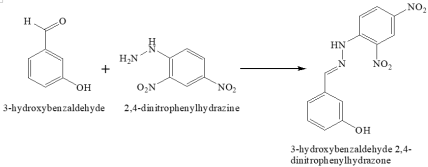
Schiff base ligand denoted as HL1, was prepared through 1: 1 molar ratio of 3-hydroxybenzaldehyde with 2, 4-dinitrophenylhydrazine in four drops of water for 10 min as described by . The resulting product was dried at a temperature of 70°C in the oven. The product gave 2.1014 g of an orange coloured compound. Reaction scheme is represented by Figure 1.
Figure 1. Reaction scheme for the synthesis of ligand HL1.
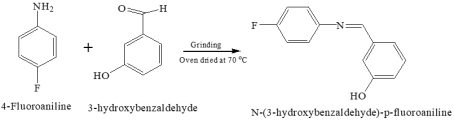
The same procedure as adopted for the synthesis of HL1 was employed as expressed in Figure 2. A 1: 1 molar ratio of 4-fluoroaniline was ground with 3-hydroxybenzaldehyde in four drops of water. The yellowish orange product formed was dried in the oven at a temperature of 70°C and recorded 2.884 g of product yield.
Figure 2. Reaction scheme for the synthesis of ligand L2.
2.3. Preparation of Zn(II) Complex
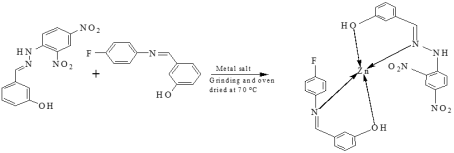
Zn(II) complex having -NHN=CH functional group was synthesized by grinding 0.01 mol (3.0224 g, 2.15 g) each of HL1 and L2 with 0.01 mol (1.7229 g) of the zinc(II) chloride dehydrate for 10 min in catalytic drops of water. The resulting product was dried at a temperature of 70°C in an oven, yield of 1.626 g orange colored Zn(II) complex was obtained as product . Reaction scheme is presented as Figure 3.
Figure 3. Reaction scheme utilizing HL1 and L2 for the synthesis of Zn(II) complex.
2.4. Test for Solubility
A 0.01 g portion of the Schiff bases with the metal(II) complex were separately added to a test tube containing 10 cm3 portions of distilled water, methanol, ethanol, dimethylsulphoxide, dimethylformamide, acetone, and petroleum ether with vigorous shaking. It is soluble if there is a homogenous mixture, slightly soluble if there are some undissolved solute particles and insoluble if the solute remained as introduced .
2.5. Determination of Melting Points of the Synthesized Compounds
A portion of the prepared Schiff base ligands and the metal complex was packed into different capillary tubes. To ensure there are no spaces in the tubes, for compact packing, the bottom of the tubes were tapped severally. Thereafter, the tube was placed inside the melting point equipment and heated. The digital screen was used in reading the temperature at which the synthesized compounds melted and was recorded .
2.6. Measurement of the Molar Conductivity of the Synthesized Compounds
A 0.001 molar solutions of the compounds were made in dimethylsulphoxide. The Accumet AP75 conductivity meter was calibrated using the manufacturer's guides with potassium chloride reference solution to get the cell constant. The conductivity meter probe was rinsed with the solvent and with the sample solutions to obtain their conductivity values as displayed on the meter from where the molar conductance were determined.
2.7. Electronic and Infrared Spectra Analyses
Both the electronic and infrared spectra analyses were performed on a Perkin Elmer spectrophotometers. Spectra of samples were run on a UVD-2690 double beam UV-Vis spectrophotometer in acetone for electronic spectra analysis while IR spectra data of the compounds were done in potassium bromide discs and displayed on a 2000 FT-IR spectrophotometer.
2.8. Thermogravimetric Analysis
Method documented by was employed for thermogravimetric analysis. Thermogravimetric analyzer (TGA-Q50 series) at standard pressure was employed. Approximately 15 mg of the compound each was carefully weighed and subjected to thermal analysis. Each of the sample was heated gradually from about 25 - 650°C at 5°C/minute. Throughout the experiment, nitrogen gas was passed through the system at a flow rate of 60 mL min⁻¹. The nitrogen stream continuously cleansed the system and gave an inert atmosphere to prevent unwanted oxidation during heating.
The resulting thermograms provided valuable insight into the structural changes and thermal behavior of the synthesized compounds. An examination of the thermogravimetric curves, thermal and kinetic variables were determined at selected temperatures of decomposition such as 200, 250, 300, 350, and 400°C. These parameters were calculated using the Coats–Redfern approximation, where a plot of loglnWcWrT2 Vs 1T, would give a linear graph with slope equal to -EaR
2.9. Biocidal Analysis
The compounds were profiled for their biocidal efficacy utilizing the agar diffusion method. Microbes used were gram positive bacteria (Staphylococcus aureus and Salmonella typhi), gram-negative bacteria (Escherichia coli), and fungi strains (Candida albicans, Microsporum canis and Trichophytum rubrum). To provide a basis for comparison, amoxicillin and nystatin were applied as the reference antimicrobial drugs. The bacterial species were grown in nutrient agar (NA) medium in petri plates, while the fungal species where grown on Sabouraud dextrose agar (SDA).
The sterile petri dishes were filled with the prepared media, which were then left to solidify. In the meantime, dimethylformamide was used to dissolve the ligands and complex. The bacterial inoculum was created following a 24-hour NA culture, whereas the fungal inoculum was derived from a 72-hour SDA culture.
For an even dispersion, a suspension of each microorganism was applied to the agar's surface using sterile, clean swabs. Four wells were made in the nutrient agar using a sterile borer once the plates had dried. Next, concentrations of 25 and 50 mg/mL of the produced compounds were introduced to the wells. To enable the chemicals to diffuse into the agar medium, the plates were left at room temperature for about fifteen minutes.
Following diffusion, the bacterial plates were incubated for 24 hours at a temperature of 37°C, while the fungal plates were incubated for 72 hours at a temperature of 27°C. At the end of the incubation period, noticeable inhibition zones formed near the wells where microbial growth had been prevented. The diameters of these inhibition zones were estimated with a meter rule. Dimethylformamide served as the control for the microorganisms under similar experimental conditions .
2.10. Molecular Docking Protocol
Molecular docking calculations were carried out to check the binding modes and affinities of Zn(II) complex derived from Schiff base inhibitors toward PfDHODH. The crystal structure of PfDHODH (PDB ID: 4RX0) was retrieved and made through the removal of co-crystallized ligands, molecules of water, heteroatoms of no essentiality, and followed by structural refinement. Docking simulations were conducted using Molegro Virtual Docker (MVD, version 6.0), employing the MolDock scoring function . The active binding cavity was defined based on the native ligand position, with a calculated cavity volume of 147.456 ų and a surface area of 1039.36 Ų. A spherical search space with a radius of 15 Šwas centered at X = -17.36, Y = -14.53, and Z = -7.97 Što adequately encompass the catalytic region of the enzyme. The MolDock SE algorithm was applied as the search strategy with 10 independent docking runs per ligand. Docking parameters included a maximum of 1500 iterations, a population size of 50, and post-docking energy minimization with hydrogen bond optimization enabled.
Ligand poses were constrained within the defined cavity, and an energy threshold of 100 was applied during pose generation. Simplex evolution was performed with a maximum of 300 steps and a neighbour distance factor of 1.00. For each ligand, up to five binding poses were generated and clustered using an RMSD threshold of 1.0 Å to remove redundant conformations. A grid resolution of 0.30 Å was used for scoring with the MolDock energy function. Highest ranked poses were chosen on the basis of their MolDock scores and interaction profiles and subsequently visualized using BIOVIA Discovery Studio .
3. Results
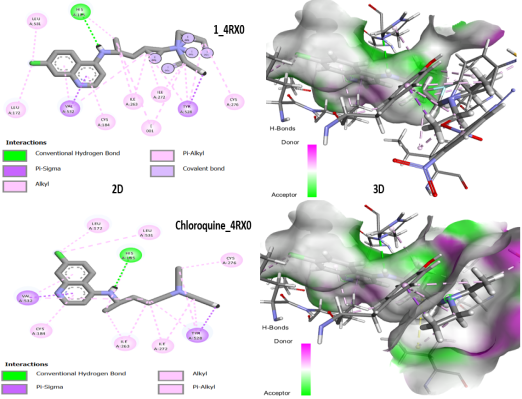
Results of physicochemical parameters of the ligand and complex and characterization parameters are presented (Tables 1-4; Figures 1 and 2). Results for biocidal studies are contained in Table 5 while molecular docking parameters are presented in Table 6 and Figure 10.
Table 1. Physicochemical Parameters of the Compounds.

Ligand/complex

Formula (formula weight)

Colour

Melting point °C

ΛM (Ω-1. cm2.mol-1)

HL1

C13H10N2O3 (302.24)

Orange

190

5.6

L2

C13H10NOF (215.24)

Yellowish-orange

188

5.8

Zn(II) complex

ZnC26H20N3O4F (582.86)

Orange

194

18.0

Table 2. UV-Visible Spectra results of the Compounds.

Compound

Wave number (cm-1)

Assignment

HL1

50,000

π → π*

40,816

π → π*

37,879

n → π*

L2

48,780

π → π*

46,948

π → π*

28,986

n→ π*

Zn(II) complex

35,088

n → π*

33,333

n → π*

29,412

n → π*

Table 3. FTIR Bands (cm-1) of important Functional Moieties in the synthesized Compounds.

Ligands/Complex

Ѵ (N-H)

Ѵ (C-OH)

Ѵ (C=N)

Ѵ (N-N)

Ѵ (M-O)

Ѵ (M-N)

HL1

3367

1032

1635

1438

-

L2

3390

1041

1602

-

-

Zn(II) complex

3410

1009

1578

1489

525

460

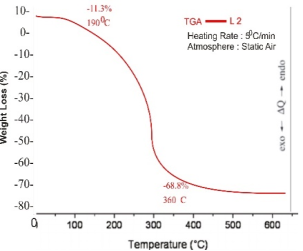
Figure 4. Thermograph of L2.
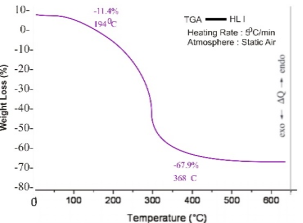
Figure 5. Thermograph of HL1.
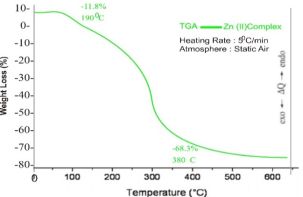
Figure 6. Thermograph of Zn(II) complex.
Table 4. Thermal Parameters for Non-isothermal Ligands along the Zn(II) Complex.

Ligand/Complex

Kinetic indices

Thermodynamic indices

Ea (kj/mol)

Collision frequency (s-1)

Enthalpy change (kJmol-1)

Change in Gibb’s free energy (kJmol-)

Entropy change (Jmol-1)

HL1

54.05

7.06 x 10¹⁶

50.25

20.19

74.10

L2

25.59

4.01 x10⁴

21.82

98.20

-160.29

Zn(II) complex

25.33

3.02 x 10⁴

21.48

100.72

-162.83

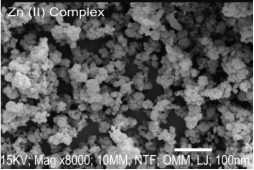
Figure 7. SEM image of Zn(II) complex.
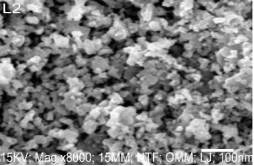
Figure 8. SEM image of L2.
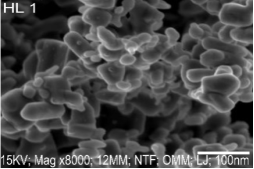
Figure 9. SEM image of HL1.
Table 5. Results of Biocidal Profiles of the Synthesized Compounds at Concentrations of 50 and 100 mg/mL.

Compounds

S. aureus (50, 100)

S. typhi (50, 100)

E. coli (50, 100)

M. canis (50, 100)

C. albicans (50, 100)

T. rubrum (50, 100)

HL1

9, 11

8, 9

8, 9

11, 11

12, 14

--

L2

15, 17

10, 12

13, 14

9, 10

12, 14

--

Zn(II) complex

14, 16

12, 14

15, 17

14, 15

17, 18

12, 14

Amoxicillin

32, 34

28, 30

26, 28

--

--

--

Nystatin

--

--

--

25, 27

29, 31

23, 25

Key > 18 nm is highly active, > 12 nm is moderately active, > 7 nm is slightly active, = 7 nm is inactive and – is not applicable
Table 6. Binding affinity and interaction of compound 1 and chloroquine.

Comp. ID

MolDock score

Hydrogen bond

Electrostatic interaction

Hydrophobic interaction

Conventional

C-H bond

1

-172.67

HIS-185

-

-

LEU-531, LEU-172, VAL-532, CYS-184, ILE-263, ILE-272, TYR-528, CYS-276

Chloroquine

-120.36

HIS-185

-

-

LEU-172, LEU-531, CYS-276, TYR-528, ILE-272, ILE-263, CY-184, VAL-532

Compound 1 = Zn(II) complex, Chloroquine = reference drug
Figure 10. 2D and 3D interaction poses of compound 1 and the reference drug, chloroquine.
4. Discussions
4.1. Characterization Studies
All compounds are solid with distinct colour (Table 1). The ligands and the complex had melting point temperature from 188 to 194°C. The molar conductance results fell in the narrow range of 5.6 - 18 Ω−1 cm2 mol-1 (Table 1). These values indicate the non-electrolytic nature of the compounds in solution . This tells the lack of ions outside the secondary coordination sphere, and that the compounds are neutral, it agrees with earlier reports on neutral Schiff base complexes .
The compounds were soluble in non-polar organic solvents such as dimethylformamide, acetone, petroleum and dimethylsulphoxide. It shows the compounds are not polar. Non-polar compounds are characterized by the possession of covalent linkage which leads to insolubility of such compounds in polar solvents. The solubility of the compounds in non-polar solvents is attributable to functional groups such as hydroxyl, fluoro and nitro substituents within the compound’s conjugated systems . The good solubility in DMSO and DMF justifies their use for spectroscopic and biological studies.
Electronic spectra of HL1, L2 and Zn(II) complex scanned from 200 to 800 nm exhibited notable peaks (Table 2). The spectra of HL1 showed three absorption bands (cm-1) at 50,000, 40,816 (π → π*) and 37,879 (n → π*), assigned to ligand centered transitions of the ligand aromatic system and to non-bonding electrons of the imine nitrogen. The same trend was observed of intra-ligand transitions of L2 at 48.780, 46, 948 and 28,986 cm-1. The UV-Vis spectra of Zn(II) complex resulted to three absorption peaks at 35,088, 33,333 and 29,412 of intra-ligand transitions within the complex and metal to ligand charge transfer as there are no allowed d-d transitions in Zn(II) ions, this is in conformity with low-spin tetrahedral ge ometry frequently observed in Zn(II) complexes .
FTIR spectra showed bands for ligand HL1 at 3367 and 1635, ligand L2 at 3390 and 1602 cm−1. These are attributable to stretching vibrations of an amine nitrogen and imine functional group respectively within the ligand frameworks (Table 3). IR bands seen around 1032 and 1041 cm−1 in the ligand spectra are assigned to C-OH functional group. Changes in C=N region in ligands and metal complex with the presence of new bands around 460 - 525 cm−1 in the Zn(II) complex attributed to M–N and M–O vibrations confirm coordination through nitrogen and oxygen donor atoms .
The TGA graphs showed a multi-step decomposition pattern. The first stage (60 – 138°C), corresponds to loss of lattice water. The second decomposition stage (138 – 190°C) shows incomplete degradation of the free ligand structure, while the third stage (190 – 380°C) is complete decomposition, leaving only Zn oxide residues. These relatively high decomposition temperatures confirm excellent thermal stability which typifies chelated metal complexes when subjected to higher temperatures. The differences in the decomposition steps for the compounds provide additional evidence for chelation. The shapes of the thermograms obtained for the ligands and the Zn(II) complex suggest that their decomposition processes is by first-order kinetic behavior. In addition, the rate of decomposition showed a clear trend in the order: L2 < HL1 < Zn(II) complex. This trend reflects the relative speed at which each compound breaks down upon heating.
These differences in thermal behavior of the compounds can be linked to the presence of electron-donating or electron-withdrawing groups within the molecules. Such groups influence the electron density around the reactive centers of the compounds. Consequently, they either enhance or reduce the stability of the molecular structure, which ultimately affects the thermal stability and decomposition characteristics of the ligands and the metal complex .
The thermal variables (Table 4) were determined using Coats–Redfern method expressed as equation (1).
loglnWc/WrT2=logZRϕEa1-2RTEa-Ea2.303RT(1)
Results of Ea (kjoules) are 54.05 (HL1), 25.59 (L2) and 25.33 (Zn(II) complex). The results indicate an increase in the rate of decomposition with temperature rise which will also lead to an enhanced rate constant of the entire decomposition process with temperature as noted in Arrhenius behavior. This affirms that the compounds decomposition had no complex mechanism .
The collision frequencies for the compounds (Table 4), suggests little space in the metal complex framework than in the free ligands. The positive enthalpies confirm the endothermic decomposition processes. The high enthalpy for HL1 suggests it used up more energy during its decomposition than L2 and the Zn(II) complex which is consequent on its stability. The extra stability required greater amount of energy to break the ligand chemical bond .
The positive Gibbs free energy shows that the process is non-spontaneous and required energy to occur. The entropy value for HL1 is positive, while those for L2 and the metal complex are negative. For HL1, it signifies that bond breaking during product formation was highly disordered.
SEM micrographs for the compounds are presented (Figures 7-9). Upon comparison, the micrographs revealed that chelation between the ligands and Zn(II) ions had occurred and the formation of a new product occupied the pore spaces in the ligands. This enhanced interaction led to reduced pore sizes and particle-particle interconnectivity with changes in texture and morphology (Figure 7). Decrease in the porosity of ligands upon coordination with metal ions has been documented .
4.2. Biocidal Analysis
The compounds were evaluated for their biocidal potency against some selected microbes (Table 5). Results were compared with those of amoxicillin and nystatin as standard antibacterial and antifungal drugs. Zones of inhibition for HL1 showed slight activity against all the bacterial strains and on M canis, moderate activity against C. albicans at the highest concentration but inactive against T. rubrum. L2 was moderately active against S. aureus and E. coli and on the fungal strain, C. albicans at the concentration of 100 mg/L, slight activity against S. typhi and M. canis but with a zero inhibition on the growth of T. rubrum. In comparison with the standard drugs, HL1 and L2 displayed a reasonable percentage inhibition against the microbes.
The Zn(II) complex gave moderate activity against the microbes. The enhanced activity is attributed to chelation and increased structural rigidity as illustrated by the Tweedy’s chelation theory . A portion of the positive charge of the metal can be shared by the donor atoms of the ligand during chelation because the orbitals of the ligand and the metal ion overlap. The total polarity of the metal ion is decreased by this interaction. Concurrently, there is a greater delocalization of π-electrons throughout the chelate ring system , which improves the stability of the complex.
The metal complex is better able to interact with biological components such as DNA and pass through the microbial cell membrane as a result of these modifications in their electronic structure. Once within the cell, the complex may disrupt vital biological functions, especially breathing. The production of essential proteins needed for microbial growth and survival may be hampered by this disruption. As a result, the microorganisms' ability to grow is hindered, and in extreme situations, this interference may even cause the impacted germs to die .
4.3. Docking Analysis
Molecular docking results (Table 6) compares the binding affinity and interaction profile of compound 1 with the reference drug, chloroquine. Binding affinity was evaluated using the MolDock scoring function, where more negative values indicate stronger ligand-protein interactions. Compound 1 exhibited a MolDock score of -172.67, which is considerably lower than that of chloroquine (-120.36), suggesting a stronger binding interaction with the target protein. Interaction analysis shows that compound 1 forms a conventional hydrogen bond with the residue HIS-185, a key interaction that contributes to the stabilization of the ligand within the active site. Similarly, chloroquine also interacts with the same residue, indicating that HIS-185 plays an important role in ligand anchoring. In addition, compound 1 establishes multiple hydrophobic interactions with residues LEU-531, LEU-172, VAL-532, CYS-184, ILE-263, ILE-272, TYR-528, and CYS-276. These interactions collectively enhance the stability of the ligand–protein complex. The 2D and 3D binding poses (Figure 10) further illustrate the favourable accommodation of compound 1 within the binding pocket.
5. Conclusion
The ligands 3-hydroxybenzaldehyde-2,4-dinitrophenylhydrazone (HL1) and 3-hydroxybenzaldehyde-3-fluoroaniline (L2) with metal complex (Zn(II) were successfully synthesized mechanochemically through grinding. After synthesis, the ligands and the metal complex were carefully characterized and further evaluated for their biocidal potency and ability to bind with proteins. The solubility results showed that both the ligands and the complex are largely non-polar in nature. This observation was supported by the molar conductivity measurements, which indicated that the compounds behave as non-electrolytes in solution.
It was revealed from the infrared spectra analysis that coordination between the Zn(II) and the ligands occurred through the nitrogen and oxygen donor atoms. In addition, comparison of the UV-Vis spectra of the unreacted Schiff base ligands with that of the metal complex showed noticeable shifts in absorption bands. These shifts further confirmed that chelation had taken place between the ligands and the metal ion.
Useful structural information were also provided by thermogravimetric analysis. It was observed from the results that the ligands do not contain lattice or coordinated water molecules, whereas the Zn(II) complex had water of crystallization. This observation is consistent with the results obtained from the IR and electronic spectral studies. The thermal analysis also showed that ligand HL1 requires relatively higher activation energy to form the activated complex as affirmed by the collision frequency. In addition, the decomposition processes were non-spontaneous as seen from the Gibb’s free energy of the compounds.
The biocidal assay demonstrated that the Schiff base ligands showed slight to moderate activity against most of the tested microorganisms but were inactive against Trichophytum rubrum. However, the Zn(II) complex displayed significantly improved biocidal effect compared with the free ligands. The results also showed that the biocidal efficacy of the compounds increased with concentration. These findings suggest that both the ligands and particularly the Zn(II) complex have promising potential as biocides and could serve as useful candidates for controlling bacterial and fungal infections.
Furthermore, the binding affinity of the metal complex from docking study showed a more negative value, indicating stronger ligand-protein interactions in comparison with chloroquine. The 2D and 3D binding poses illustrated the favourable accommodation of the Zn(II) complex within the binding pocket. With optimization and functionalization, this complex has great potential as an anti-protozoa and anti-microbes.
Abbreviations

HL1

3-hydroxybenzaldehyde 2,4-dinrtophenylhydrazone

L2

N-(3-hydroxybenzaldehyde)-p-fluoroaniline

SEM

Scanning Electron Microscopy

FTIR

Fourier Transform Infrared

Author Contributions
Patience Dooshima Iorungwa: Conceptualization, Software, Resources, Writing – original draft, Writing – review & editing
Hilary Abuh: Formal Analysis, Investigation, Resources
Moses Saviour Iorungwa: Conceptualization, Project administration, Resources, Supervision
Nwigwe Ambrose Njokunwogbu: Resources, Writing – review & editing
Conflicts of Interest
The authors have no conflicts of interest.
References
[1] Sakr SH, Elshafie HS, Camele I, & Sadeek SA. Synthesis, spectroscopic, and biological studies of mixed ligand complexes of gemifloxacin and glycine with Zn (II), Sn (II), and Ce (III). Molecules. 2018; 23(5): 1182.
[2] Porchia M, Pellei M, Del Bello F, & Santini C. Zinc complexes with nitrogen donor ligands as anticancer agents. Molecules. 2020; 25(24): 5814.
[3] Kumar S, Pandey PK, Sinha N, Chaudhari S, & Sharma S. Spectroscopic characterisation of metal complexes with tetradentate ligand. Journal of Physical Science. 2018; 29(3): 1-1.
[4] Mezgebe K. & Mulugeta E. Synthesis and pharmacological activities of Schiff bases with some transition metal complexes: a review. Medicinal Chemistry Research. 2024; 33(3): 439-63.
[5] Anitha C, Sumathi S, Tharmaraj P, & Sheela CD. Synthesis, characterization, and biological activity of some transition metal complexes derived from novel hydrazone azo schiff base ligand. International Journal of Inorganic Chemistry. 2011; 2011(1): 493942.
[6] Chohan ZH, Farooq MA, Scozzafava A, & Supuran CT. Antibacterial schiff bases of oxalyl-hydrazine/diamide incorporating pyrrolyl and salicylyl moieties and of their zinc (II) complexes. Journal of Enzyme Inhibition and Medicinal Chemistry. 2002; 17(1): 1-7.
[7] Ma Z, Jacobsen FE, & Giedroc DP. Coordination chemistry of bacterial metal transport and sensing. Chemical reviews. 2009; 109(10): 4644-81.
[8] Abd El‐Halim HF, Mohamed GG, & Anwar MN. Antimicrobial and anticancer activities of Schiff base ligand and its transition metal mixed ligand complexes with heterocyclic base. Applied Organometallic Chemistry. 2018; 32(1): e3899.
[9] Aroua LM, Alhag SK, Al-Shuraym LA, Messaoudi S, Mahyoub JA, Alfaifi MY, & Al-Otaibi WM. Synthesis and characterization of different complexes derived from Schiff base and evaluation as a potential anticancer, antimicrobial, and insecticide agent. Saudi Journal of Biological Sciences. 2023; 30(3): 103598.
[10] Roy H, & Nandi S. In-silico modeling in drug metabolism and interaction: Current strategies of lead discovery. Current pharmaceutical design. 2019; 25(31): 3292-305.
[11] Ommenya FK, Nyawade EA, Andala DM, & Kinyua J. Synthesis, Characterization and Antibacterial Activity of Schiff Base, 4‐Chloro‐2‐{(E)‐ [(4‐Fluorophenyl) imino] methyl} phenol Metal (II) Complexes. Journal of Chemistry. 2020; 2020(1): 1745236.
[12] Hosseini-Yazdi SA, Mirzaahmadi A, Khandar AA, Mahdavi M, Rahimian A, Eigner V, Dušek M, & Zarrini G. Copper, nickel and zinc complexes of a new water-soluble thiosemicarbazone ligand: Synthesis, characterization, stability and biological evaluation. Journal of Molecular Liquids. 2017; 248: 658-67.
[13] SubinKumar K, & Aravindakshan KK. Synthesis, CharacterizationAntimicrobialand Antioxidant Studies of Complexes of Fe (III), Ni (II) and Cu (II) with Novel Schiff Base Ligand (E)-Ethyl 3-((2-Aminoethyl) Imino) Butanoate. J Pharm. Chem. Biol. Sci. 2017; 5(3): 177-86.
[14] Emiola-Sadiq T, Zhang L, & Dalai AK. Thermal and kinetic studies on biomass degradation via thermogravimetric analysis: a combination of model-fitting and model-free approach. ACS omega. 2021; 6(34): 22233-47.
[15] Nasiri Sovari S, & Zobi F. Recent studies on the antimicrobial activity of transition metal complexes of groups 6–12. Chemistry. 2020; 2(2): 418-52.
[16] Phillips MA, Lotharius J, Marsh K, White J, Dayan A, White KL, Njoroge JW, El Mazouni F, Lao Y, Kokkonda S, & Tomchick DR. A long-duration dihydroorotate dehydrogenase inhibitor (DSM265) for prevention and treatment of malaria. Science translational medicine. 2015; 7(296): 296ra111.
[17] Nyijime TA, Shallangwa GA, Uzairu A, Umar AB, Ibrahim MT, & Mujwar S. Design and evaluation of novel N-Aryl oxamic acid derivatives as potential anti-tubercular inhibitors: A comprehensive molecular modeling study. Letters in Drug Design & Discovery. 2026:
[18] Isah JJ, Uzairu A, Uba S, & Ibrahim MT. Machine learning–guided optimization of MALT1 inhibitors for diffuse large B-cell lymphoma via QSAR modelling, molecular docking, ADMET profiling, and molecular dynamics simulations. Letters in Drug Design & Discovery. 2025.
[19] Abbott AP, Frisch G, Hartley J, Karim WO, & Ryder KS. Anodic dissolution of metals in ionic liquids. Progress in natural science: Materials international. 2015; 25(6): 595-602.
[20] Das KK, Reddy RC, Bagoji IB, Das S, Bagali S, Mullur L, Khodnapur JP, & Biradar MS. Primary concept of nickel toxicity–an overview. Journal of basic and clinical physiology and pharmacology. 2019; 30(2): 141-52.
[21] Iorungwa MS, Wuana RA, & Dafa ST. Synthesis, Characterization, Kinetics, Thermodynamic and Antimicrobial Studies of Fe (III), Cu (II), Zn (II), N, N'-Bis (2-hydroxy-1, 2-diphenylethanone) ethylenediamine Complexes. Chemical methodologies. 2019; 3(2): 408-24.
[22] Janiak, C. Tetrahedral zinc(II) complexes: Coordination chemistry and crystal engineering. Journal of the Chemical Society, Dalton Transactions, 2000; (21), 3885-3896.
[23] Luo S, Elouarzaki K, & Xu ZJ. Electrochemistry in magnetic fields. Applied Chemistry International Edition. 2022; 61(27): e202203564.
[24] Dogan S, Tumay SO, Balci CM, Yesilot S, & Besil S. Synthesis of new cyclotriphosphazene derivatives bearing Schiff bases and theirthermal and absorbance properties. Turkish Journal of Chemistry. 2020; 44(1): 31-47.
[25] Fouad R, Shaaban IA, Ali TE, Assiri MA, & Shenouda SS. Co (II), Ni (II), Cu (II) and Cd (II)-thiocarbonohydrazone complexes: spectroscopic, DFT, thermal, and electrical conductivity studies. RSC advances. 2021; 11(60): 37726-43.
[26] Rodgers MT, & Armentrout PB. Noncovalent metal–ligand bond energies as studied by threshold collision‐induced dissociation. Mass Spectrometry Reviews. 2000; 19(4): 215-47.
[27] Zuehlsdorff TJ, & Isborn CM. Combining the ensemble and Franck-Condon approaches for calculating spectral shapes of molecules in solution. The Journal of Chemical Physics. 2018; 148(2).
[28] Pahontu E, Fala V, Gulea A, Poirier D, Tapcov V, & Rosu T. Synthesis and characterization of some new Cu (II), Ni (II) and Zn (II) complexes with salicylidene thiosemicarbazones: antibacterial, antifungal and in vitro antileukemia activity. Molecules. 2013; 18(8): 8812-36.
[29] Mahmoudi G, Afkhami FA, Castineiras A, García-Santos I, Gurbanov A, Zubkov FI, Mitoraj MP, Kukułka M, Sagan F, Szczepanik DW, & Konyaeva IA. Quasi-aromatic Mobius Metal Chelates. Inorganic Chemistry. 2018; 57(8): 4395-408.
Cite This Article
  • APA Style

    Iorungwa, P. D., Abuh, H., Iorungwa, M. S., Njokunwogbu, A. N. (2026). Synthesis, Characterization, Biocidal and Molecular Docking Profiles of Zn(II) Complex Derived from Schiff Base Ligands. Science Journal of Chemistry, 14(2), 49-59. https://doi.org/10.11648/j.sjc.20261402.12

    Copy | Download

    ACS Style

    Iorungwa, P. D.; Abuh, H.; Iorungwa, M. S.; Njokunwogbu, A. N. Synthesis, Characterization, Biocidal and Molecular Docking Profiles of Zn(II) Complex Derived from Schiff Base Ligands. Sci. J. Chem. 2026, 14(2), 49-59. doi: 10.11648/j.sjc.20261402.12

    Copy | Download

    AMA Style

    Iorungwa PD, Abuh H, Iorungwa MS, Njokunwogbu AN. Synthesis, Characterization, Biocidal and Molecular Docking Profiles of Zn(II) Complex Derived from Schiff Base Ligands. Sci J Chem. 2026;14(2):49-59. doi: 10.11648/j.sjc.20261402.12

    Copy | Download

  • @article{10.11648/j.sjc.20261402.12,
      author = {Patience Dooshima Iorungwa and Hilary Abuh and Moses Saviour Iorungwa and Ambrose Nwigwe Njokunwogbu},
      title = {Synthesis, Characterization, Biocidal and Molecular Docking Profiles of Zn(II) Complex Derived from Schiff Base Ligands},
      journal = {Science Journal of Chemistry},
      volume = {14},
      number = {2},
      pages = {49-59},
      doi = {10.11648/j.sjc.20261402.12},
      url = {https://doi.org/10.11648/j.sjc.20261402.12},
      eprint = {https://article.sciencepublishinggroup.com/pdf/10.11648.j.sjc.20261402.12},
      abstract = {Ligand, oroaniline were combined to synthesize Zn(II) complex. Characterization was performed through determining parameters such as melting point, solubility, molar conductivity, electronic and FTIR spectra studies, thermal analysis, scanning electron microscopy (SEM), profiled for their biocidal effects, and performed docking calculations to determine protein binding ability of the metal complex. Results of melting points was in the range of 188 – 194°C, indicating thermal stability, their insoluble nature in polar solvents and narrow range of conductivity indices (5.6 – 18 Ω/cm-2) highlights their non-electrolytic nature in solutions. Comparing the UV-Vis spectra of the compounds revealed major shifts which were backed up by the FTIR spectra. This confirmed coordination through nitrogen and oxygen donor atoms of the ligands. The thermal results of the ligands revealed good stability with multiple non-spontaneous decomposition steps evident from the energy of activation data. The enhanced biocidal effect of the complex in comparison with the ligand confirms chelation with increased rigid structure. Molecular docking analysis of the metal complex gave binding affinity score of -172.67 in comparison with chloroquine as the reference antimalarial medication with score of -120.36. The result indicate stronger binding interaction with the target protein. The biological function and binding interaction of the Schiff base Zn(II) complex are essential for its application as biocidal agent in therapy upon optimization and functionalization.},
     year = {2026}
    }
    

    Copy | Download

  • TY  - JOUR
    T1  - Synthesis, Characterization, Biocidal and Molecular Docking Profiles of Zn(II) Complex Derived from Schiff Base Ligands
    AU  - Patience Dooshima Iorungwa
    AU  - Hilary Abuh
    AU  - Moses Saviour Iorungwa
    AU  - Ambrose Nwigwe Njokunwogbu
    Y1  - 2026/04/21
    PY  - 2026
    N1  - https://doi.org/10.11648/j.sjc.20261402.12
    DO  - 10.11648/j.sjc.20261402.12
    T2  - Science Journal of Chemistry
    JF  - Science Journal of Chemistry
    JO  - Science Journal of Chemistry
    SP  - 49
    EP  - 59
    PB  - Science Publishing Group
    SN  - 2330-099X
    UR  - https://doi.org/10.11648/j.sjc.20261402.12
    AB  - Ligand, oroaniline were combined to synthesize Zn(II) complex. Characterization was performed through determining parameters such as melting point, solubility, molar conductivity, electronic and FTIR spectra studies, thermal analysis, scanning electron microscopy (SEM), profiled for their biocidal effects, and performed docking calculations to determine protein binding ability of the metal complex. Results of melting points was in the range of 188 – 194°C, indicating thermal stability, their insoluble nature in polar solvents and narrow range of conductivity indices (5.6 – 18 Ω/cm-2) highlights their non-electrolytic nature in solutions. Comparing the UV-Vis spectra of the compounds revealed major shifts which were backed up by the FTIR spectra. This confirmed coordination through nitrogen and oxygen donor atoms of the ligands. The thermal results of the ligands revealed good stability with multiple non-spontaneous decomposition steps evident from the energy of activation data. The enhanced biocidal effect of the complex in comparison with the ligand confirms chelation with increased rigid structure. Molecular docking analysis of the metal complex gave binding affinity score of -172.67 in comparison with chloroquine as the reference antimalarial medication with score of -120.36. The result indicate stronger binding interaction with the target protein. The biological function and binding interaction of the Schiff base Zn(II) complex are essential for its application as biocidal agent in therapy upon optimization and functionalization.
    VL  - 14
    IS  - 2
    ER  - 

    Copy | Download

Author Information
  • Department of Chemistry, Joseph Sarwuan Tarka University, Makurdi, Nigeria
  • Department of Chemistry, Joseph Sarwuan Tarka University, Makurdi, Nigeria

  • Department of Chemistry, Joseph Sarwuan Tarka University, Makurdi, Nigeria

  • Department of Chemical Sciences, Godfrey Okoye University, Enugu, Nigeria

  • Abstract
  • Keywords
  • Document Sections

    1. 1. Introduction
    2. 2. Materials and Methods
    3. 3. Results
    4. 4. Discussions
    5. 5. Conclusion
    Show Full Outline
  • Abbreviations
  • Author Contributions
  • Conflicts of Interest
  • References
  • Cite This Article
  • Author Information