Research Article | | Peer-Reviewed

Sorghum (Sorghum bicolor) Grain Antioxidant Scavenging Activity on Stored Finger Millet (Eleusine coracana) Derived Yeast Under Laboratory Conditions

Received: 1 May 2026     Accepted: 15 May 2026     Published: 2 June 2026
Views:       Downloads:
Abstract

There is increased interest in the study and application of finger millet derived yeast (FM), especially in bioethanol industry. Several studies have shown the vitality of this yeast, but its preservation has been a challenge hindering its wider application. Natural antioxidant sources such as sorghum are promising non-toxic preservatives with strong radical scavenging activity. However, it is unknown whether its antioxidants have no side effects on FM, or can extend its shelf life. This study aimed at analysing sorghum grain extracts (SEs) antioxidant activity in terms of their antioxidant content and activity to preserve these yeasts, in small or large quantities for laboratory or industrial applications. Acombination of in vitro and in vivo methods were used to determine the antioxidant potential of SEs, and high performance liquid chromatography for compound characterization. The highest total phenolic content was recorded in K71S2814 (76.25) and lowest in KARI MATIMA1 (43.57) in mgGAE /100gdm, and that of total flavonoid content was reported in GBK006801 (37.31), and lowest in K15 OCHUTI (10.14) in mgCE /100gdm. The highest radical scavenging activity (IC50) was reported in GBK006801 (25.82ug/ml), and lowest in GBK032096 (86.01ug/ml), GBK006801 (25.82), (Severe≥5density) and K71S2814 (44.11), (Severe≥5density) had higher in vitro and in vivo antioxidant activity than ASCORBIC ACID (46.25) (moderate survival ≤2.5density). Epigallocatechin gallate (0.002939-0.035139%), and epicatechin gallate (0.007525-0.251397%) very powerful antioxidants than ascorbic acid were isolated. Based on the study, it is concluded that sorghum is non-toxic, with antioxidants that can significantly extend FM shelf life.

Published in Science Journal of Chemistry (Volume 14, Issue 3)
DOI 10.11648/j.sjc.20261403.12
Page(s) 95-108
Creative Commons

This is an Open Access article, distributed under the terms of the Creative Commons Attribution 4.0 International License (http://creativecommons.org/licenses/by/4.0/), which permits unrestricted use, distribution and reproduction in any medium or format, provided the original work is properly cited.

Copyright

Copyright © The Author(s), 2026. Published by Science Publishing Group

Keywords

Antioxidant, Oxidant, Polyphenols, Sorghum Bicolor, In Vivo, In Vitro

1. Introduction
Yeast is an indispensable ingredient in bioethanol production. It is a key determinant component for the quantity of ethanol, and production rate depends on its active or passive spontaneity. However, yeast composition determines the fermentation rate and bioethanol yield. Yeast composition changes with time, and the intensity of change depends on storage conditions Sorghum is an annual food crop, and one of the most widely grown cereal crops in the world , endowed with high phytochemical content . Its phenolic acids are divided into two main categories: benzoic acid and cinnamic acid derivatives . These categories are characterized by high levels of 2, 2-diphenyl-1-picrylhydrazyl (DPPH) free-radical scavenging capacity . This acts as a pointer to its in vitro antioxidant activities. Several studies have identified polyphenols such as phenolic acids, flavonoids and condensed tannins in sorghum grain. However, most analyses of the total polyphenols in sorghum were limited to spectrophotometric methods . Nevertheless, the in vitro antioxidant activity of these polyphenols do not reflect the actual antioxidant capacity . This among other reasons necessitated for a comprehensive analysis of SEs. The sorghum phenolics have unique features . Anthocyanins in sorghum are particularly distinct due to lack of hydroxyl group or oxygen molecule at the highly active C-3 position of its structure, which gives them stability to temperature , chemical stability , and higher reactivity than other anthocyanins. The hydroxyl groups on aromatic rings of polyphenols scavenges reactive species of nitrogen, and oxygen , by promoting the transfer of hydrogen atoms from the active hydroxyl group to the free radicals . Several studies have shown that polyphenols exhibit excellent antioxidant, and antimicrobial activity . The ability of sorghum polyphenols to scavenge free radicals confers preservative properties, however, their application as a preservative is not well understood.
Protein oxidation, and lipid peroxidation are caused by free radicals, chemical reactions such as redox reactions , and is one of the causes of food deterioration . Current global research focus is on plant metabolites that are healthy and ecofriendly. These metabolites make an excellent lead for the development of preservatives used for extension of material shelf life. Synthetic antioxidants, such as butylated hydroxytoluene (BHT), butylated hydroxyanisole (BHA), and tertiary butyl hydroquinone, have been used to stabilize lipids against oxidation . However, they are reported to be carcinogenic . This has created a strong demand for safe antioxidant sources . However, lack of deeper and detailed studies on antioxidant capacity of different natural sources on its comprehensive utilization has created the dilemma of their use. These necessitated research on sorghum grain antioxidant capacity. Sorghum phenols such as deoxyanthocyanidins have exhibited excellent antioxidant, and antibacterial properties . Increasing interest in understanding the active molecules in sorghum with strong antioxidant activity, demands for proper screening to be undertaken in a more comprehensive manner. The current study therefore, aimed at evaluating sorghum extracts free radical-scavenging potential, of ten sorghum varieties based on in vivo and in vitro methods. This provides a greater insight of the role of sorghum grain extracts (SEs) in scavenging active oxygen species, thus projecting the possibility of its industrial application. Most studies have concentrated on determining the concentration of phytonutrients in sorghum grains . It provides a greater understanding of the role of sorghum grain extracts antioxidant radical scavenging capacity for yeast preservation, and the latent potential to make sorghum more profitable for farmers in marginalized areas throughout the world.
2. Experimental
2.1. Sorghum Varieties
Ten sorghum varieties, were obtained from Maseno research farm. Field cultivation was carried out in Busia, Samia Sub County in Kenya, Latitude 0.2092o N and longitude 34.029o E. Planting was done in September 2024 in Samia, Kenya during Sirumbi season, and mature grains harvested in November 2024 for experimental analysis. The Soil found in this region is sandy loam, and with a high-water holding capacity. The study was done using randomized complete block design with three replications. The sorghum grains were collected upon maturity and washed with clean running tap water, then shade dried at room temperature for 14 days. The samples were then ground to a coarse powder, sieved through a 1-mm mesh, packed in an airtight container and kept at 5°C awaiting analysis. The ten samples of sorghum grains were categorized according to (coat) color (Table 1).
Table 1. Classification of sorghum grains based on their phenotype.

Group

Variety

Pericarp Color

I

GBK006801, K15OCHUTI, K13FRAMIDA, KALROLANET158798

Red

II

GBK032096, KARI MUTAMA1, K121S9830

White

III

K71S2814, OCHUTIBROWN, UYOMA47B

Brown

2.2. Samples Extraction
For the extractions, (0.5g) of each powdered sample was soaked in 50ml of 1% acidified methanol. This was shaken and incubated for 2 h at 20°C in the dark on a shaker at 100 rpm then incubated at –20°C for 24 h. The extracts were filtered by whatman no. 4 filter paper. The residues were washed twice with additional 100ml volumes of solvent with shaking for 6min, and decanting in each case. The crude filtrates were combined and concentrated using a rotary evaporator then dried in an oven (35°C) , and kept at -4°C in the dark.
2.3. In Vitro Analysis of Phytochemicals
2.3.1. Evaluation of Total Phenolic Content
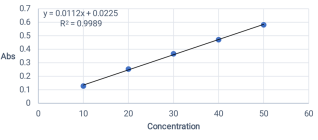
Gallic acid standard solution and the diluted 1% acidified methanol extracts at 0.5 mg/mL for each sample was used. 25 µL of 1 M Folin-Ciocalteu reagent was added to 25 µL of extracts and mixed thoroughly . This was then incubated for 5 min, and 25 µL of 20% Na2CO3 and 140 µL of distilled H2O was added. For blank sample Folin-Ciocalteu reagent was replaced with distilled water. After 1h at R.T, the absorbance was taken at 760 nm by use of UV spectrometer. Total phenolic content was extrapolated using gallic acid calibration curve . Gallic acid (25−200 µg/mL), was applied as control reference and the results was denoted as equivalents of gallic acid per 100-gram sample (mg GAE/100 g). TPC was calculated using a calibration curve for gallic acid shown in appendix III. All samples were analyzed in triplicate and values expressed as mean ± SD
2.3.2. Determination of Total Flavonoid Content
Catechin standard solution and the 1% acidified methanol extracts at 0.5 mg/mL for each sample were used. 100 µL of 2% AlCl3 solution were put in 100 µL of extract, and after 15 min at R.T, absorbance of the samples was recorded at 415 nm using the UV spectrometer . Blank sample was made with AlCl3 & distilled H2O. The TFC was evaluated using catechin (25−200 µg/mL) curve. Results were given in terms of catechin per 100 grams of sample (mg CE/100 g). Sample analysis was done in triplicate and values expressed as mean ± SD.
2.3.3. 2, 2-diphenyl-1-picrylhydrazyl Assay
The 2, 2-diphenyl-1-picrylhydrazyl (DPPH) assay free radical-scavenging activity was assessed by a slightly modified method . 100 µL of 100 µg/mL freshly prepared methanol solution of DPPH was added to 100 µL of extract solution at (25, 50, 75, 150 and 200 μg/mL) of each extract then incubated at R.T in the dark for 50 min, and absorbance of the samples taken at 517 nm (UV-vis 1100 spectrometer) , and compared to the absorbance of standard ASC. The stock DPPH solution was used as blank25. The% DPPH inhibition was determined by the following formula: %inhibition= [1 − (Ax/ADPPH)] × 100, Where Ax represents the absorbance of DPPH with the sample and DPPH- absorbance of stock DPPH. The antioxidant activity was noted as the IC50 (minimum inhibitory concentration). The IC50 is the amount of antioxidant needed to reduce the primary DPPH amount by 50%. The estimation was done by plotting the obtained inhibition% against the concentrations of the solutions used. Ascorbic acid (ASC) measurements, ranged between 25 and 200 µg/mL. The extract concentrations ranged between (25-150 µg/mL), and each solution was treated as indicated for the ASC. The results were denoted as the mean ± SD of the triplicates.
2.4. High Performance Liquid Chromatography (HPLC) Analysis of Phytochemicals
Samples were filtered and analyzed using method described by . A high Performance Liquid Chromatography instrument component (fitted with an auto sampler (SIL 20A) and a UV detector (SPD 20) from Shimadzu Japan was used in the analysis of sample extracts. The column used was A C6 - Phenyl 25 cm x 0.46 cm Gemini 5 µM, (Phenomenex, Torrance, CA, USA) for partitioning, reodyne precolumn filter disk was utilized. Mobile phases were degassed using a sonicator prior to injection into the HPLC column. A varied mobile phase separation program by use of the enlisted solvent order: Eluent A, comprising of (acetic acid/acetonitrile double distilled water 2/9/89/ v/v/v), Eluent B (acetonitrile /double distilled water/ acetic acid 80/18/2 v/v/v). The eluent composition for a binary gradient condition started with mobile phase A for 10 min then a linear gradient to 60% mobile phase A for 15 min, followed by mobile phase B at 32% and for 7 min held at this composition. Running program was adjusted to pure eluent A and then left to stabilize for 10 min prior to the subsequent sample introduction. Flow of the eluent was one milliliter per min with column temperature kept at 35.0 ± 0.50°C. Specific catechins identification was done by comparison of the time elapse between sample injection and appearance of a chromatogram and UV-absorbance of analyte chromatograms with ones acquired using a mixture of known standards of catechin subjected to similar experimental conditions. Determination of concentration of catechin was performed at a wavelength in the visible region of the spectrum of 278 nm obtained by use of standard calibration curve whose R2=0.9984 in conjunction with the corresponding individual catechin relative response factor values based on caffeine calculated on a dry matter basis. Total catechin as percentage on dry matter content by mass on a sample reported based on total levels of individual catechins, all the samples were similarly treated. Analysis of catechins by HPLC was done according to the ISO 14502 procedure (ISO 14502-2-2005E).
2.5. In Vivo Antioxidant Assay Using Yeast Finger Millet Malt (FM) and S. Cerevisiae
2.5.1. Yeast Strain and Cultivation Medium and Conditions
The samples of yeast prepared in appendix I were pretreated for 2h or not with each of sorghum extracts (SEs) or standard and sub-cultured on sterilized YPDA (yeast extract 10g/l, peptone 20 g/l, dextrose 20 g/l, and agar 7.5g/l) not or containing H2O2. The preliminary studies involved in vitro exposure of the yeast to varying concentrations of the SEs as well as the control. Yeast cultured in sterile water and ascorbic acid medium were considered as the negative and positive control respectively. The volumes for the standard (ASC) solution aliquots concentrations used ranged from 5 to 80mM and that of the extracts ranged from 6.25ug/ml to 100ug/ml in order to first a certain the best concentration to be used as a reference for the experiment.
2.5.2. Treatment of Yeast Cells with Sorghum Extracts and Ascorbic Acid
Using a micro-pipette, 500-µL aliquots of each yeast strain suspension was lightly shaken, placed on a 24-well plate and I treated with 100 µL of water (control), ascorbic acid (30mM reference), or each of the sorghum extracts at a concentration of 100ug/ml . The plates were stirred on a rotatory shaker at 30°C with shaking at 200rpm for 2h; the samples were further analyzed for total antioxidant activity, and intracellular antioxidant activity.
2.5.3. Total Antioxidant Activity Assay of Sorghum Extracts and Ascorbic Acid
Fractions of the treated suspensions were taken to a 96-well plate followed by four serial dilutions (1/10, 1/30, 1/90, and 1/270). Aliquots from the thinning were sub cultured onto (YPDA) medium containing 3mM H2O2 or without H2O2 and the plates were incubated at 30°C for at least 48hrs. The plates were filled with the media to 1/3 level and each plate swabbed with 100ul of each diluted inoculum of each yeast strain and kept for 15min for adsorption. The experiments were carried out in duplicates. The evidence of growth was observed through inverted microscope (Euromex oxion in verso range 100-240V/50-60Hz.T3.15A250V).
2.5.4. Antioxidants Intracellular Effects Assay of Sorghum Extracts and Ascorbic Acid
The assays were performed as in section (Treatment of Yeast Cells with sorghum extracts and ascorbic acid), above up to the treatment for 2 h. After these treatments, each of the suspension was centrifuged at 3900 rpm for 3min and cells collected, the supernatants were discarded and the cells were re-suspended in 1 mL of water. The step was repeated one more time, the cells were then re-suspended in enough sterile water to produce the same initial volume. The cells were then transferred to a 96-well plate followed by four serial dilutions (1/10, 1/30, 1/90, & 1/270). Fractions from the dilutions were spotted onto YPD agar medium containing 3mM H2O2 or without H2O2 and the plates were incubated at 30°C for 48hrs. Plates were filled with the media to 1/3 level and each plate swabbed with 100ul of inocula of each yeast strain and kept for 15min for adsorption. The experiments were carried out in triplicates. The evidence of cell growth was observed through inverted microscope (Euromex oxion in verso range 100-240V/50-60Hz.T3.15A250V).
2.6. Statistical Analysis
The experiments were done in triplicate; the means and standard deviations determined as the average of repetitions. Descriptive statistics were used to summarize the ethanol concentration. All the data was subjected to analysis of variance using SAS. Version 9.1. The level of significant differences p <.05 of mean values were also determined.
3. Results
3.1. Quantification of Total Phenolic and Flavonoid Content of Sorghum Grain Varieties
The total phenolic content (TPC) was estimated by the Folin Ciocalteu method using gallic acid as a standard and expressed as mg of gallic acid equivalents (GAE) per 100gram of dry matter (Table 2). The TPC ranged from 43.98- 76.25mgGAE /100gdm. The maximum value was observed in K71S2814 (76.25) and lowest in KARI MATIMA1 (43.57) in mgGAE /100gdm. No significant differences were observed (p<0.05). The total flavonoid content (TFC) was significantly (p<.0001) different across the sorghum varieties tested, ranging from 10.14-37.31mgCE /100gdm. The maximum value was observed in GBK006801 (37.31) and lowest in K15 OCHUTI (10.14) in mgCE /100gdm as shown in Table 2. The TFC of GBK006801 (37.31mgCE /100gdm) was significant with brown sorghum variety K121S9830 (37. 03mgCE /100gdm).
Table 2. Analysis of sorghum total phenolic and flavonoid content.

Variety

TPC (mgGAE /100gdm)

TFC (mgCE /100gdm)

DPPH Activity (IC50)

K17-1S2814

76.25a

37.03a

44.11dc

K12-1S9830

57.33a

26.34bc

58.63abc

GBK032096

53.77a

10.14e

86.01a

UYOMA 47B

59.93a

31.37ab

69.61ab

K13-FRIMIDA

51.61a

14.89de

77.71a

GBK006801

70.21a

37.31a

25.82d

OCHUTI BROWN

64.96a

20.17dc

48.33bdc

K15-OCHUTI

49.98a

15.62de

64.87abc

KARI MATIMA1

43.98a

9.271e

84.46a

KALRO LANET 158798

50.87a

32.78ab

72.95a

ASCORBIC ACID

46.25

LSD

68.801

27.85

45.848

P

0.062

0.0039

0.9081

%CV

2.08596

2.08596

2.08596

Legend: Values with different superscripts in the same column are significantly different (p ≤ 0.05). S.A. S Test; GAE: gallic acid equivalents. TPC: total phenolic content. TFC: total flavonoid content. DPPH- 2, 2-diphenyl-1-picrylhydrazyl. CE: catechin equivalents. dm: dry matter basis. Mean ±SD (n = 3). IC50, concentration of the compound needed to reduce the absorbance of the control by 50% (for the extracts, μg dry matter /mL).
3.2. High Performance Liquid Chromatography Analysis of Sorghum Grain Phytochemicals
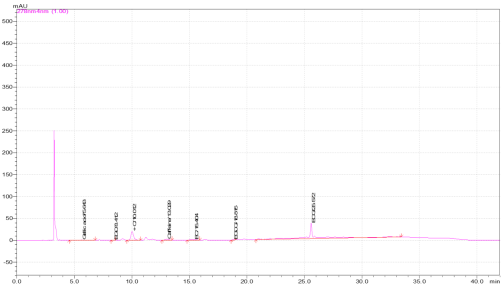
High Performance Liquid Chromatography (HPLC), was used to further study the sorghum phenolic compositions among the different sorghum samples. Figure 1 shows HPLC profiles of sorghum phenolic extracts recorded at 278 nm. In accordance with the retention time of commercially available catechin standards, a variety of bioactive compounds were identified in the different sorghum extracts. The HPLC chromatograms of catechins extracted from the sorghum grain, revealed the presence of some phytochemical compounds, which seem to have unique properties and identified by comparison of their spectroscopic data with the corresponding literature which showed complete resemblance with those reported. The isolated metabolites were identified as Epigallocatechin (44), Catechin (45), caffeine (46), epicatechin (26 epicagallocatechin gallate (47), and epicatechin gallate (43), and from the HPLC chromatogram (Figure 1), and their structures are shown in Figure 2.
EGC: Epigallocatechin, C: Catechin, CAFF: Caffeine, EC: Epicatechin, EGCG: Epigallocatechin Gallate, EGC: Epicatechin gallate.

Download: Download full-size image

Figure 1. High performance liquid chromatography chromatograms of isolated sorghum phenolic compounds and flavonoids from ten Sorghum bicolor samples
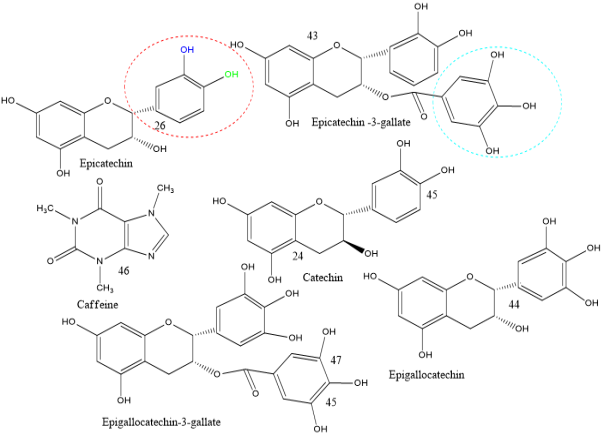
Figure 2. Compounds as isolated from Sorghum bicolor by High performance liquid chromatography.
3.3. Percentage Composition of Sorghum Grain Metabolites
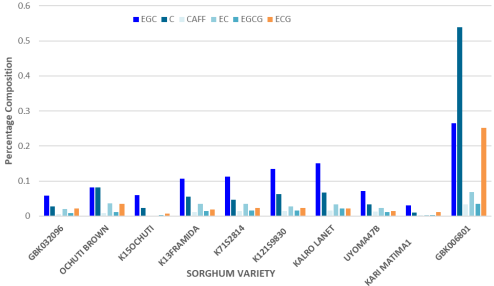
In this study, the content of the six polyphenols isolated in sorghum grains samples were found to vary as displayed in Figure 3. The content of catechins in GBK006801 variety represented 1.15876% of the extracts with the most abundant catechins being EC (0. 068845%). Epigallocatechin content ranged from 0.03072% to 0.26469% and that of catechin ranged from 0.010556% to 0.538688%. The content of caffeine ranged from 0.001911% to 0.033933% and that of epicatechin ranged from 0.001825% to 0.068845%. The content of epigallocatechin gallate ranged from 0.002196% to 0.035139%, while that of epicatchin gallate ranged from 0.007525% to 0.251397%. The total catechin ranged from 0.05740% to 1.15876% and that of total phenolic content ranged from 0.21032% to 5.71485%, as displayed in Table 3.
Table 3. Percentage composition of phenolic content in ten Sorghum bicolor grain samples.

VARIETY

MEAN%EGC

MEAN%C

MEAN%CAFF

MEAN%EC

MEAN%EGCG

MEAN%ECG

MEAN%TOTAL CAT

MEAN%TP

K15-OCHUTI

0.05785ef

0.027103gf

0.006191cd

0.019859d

0.008035ed

0.021297cbd

0.18215d

2.37686d

KALRO LANET 158798

0.08180ed

0.082291b

0.008591cbd

0.036904b

0.011704cd

0.035130b

0.24783c

2.83554b

KARI MATAMA1

0.05992ef

0.023247gf

0.000955d

0.001825e

0.002939e

0.007525d

0.09545e

0.47204g

K12-1S9830

0.10727cd

0.055673cd

0.010937cb

0.035414cb

0.014329cbd

0.019388cd

0.23208c

2.13475e

K71-S2814

0.11225c

0.046862ed

0.014174b

0.035189cb

0.015700cbd

0.022995cb

0.23299c

2.85023b

UYOMA47B

0.13518cb

0.062964cd

0.014926b

0.027785bcd

0.016001cb

0.022670cb

0.2646cb

2.62174c

OCHUTI BROWN

0.15066b

0.067835cb

0.015264b

0.033209cb

0.021535b

0.021547cb

0.29479b

2.36921d

K13-FRIMIDA

0.07128e

0.033955ef

0.012782cb

0.023329cd

0.010994cd

0.014492cd

0.15405d

1.61666f

GBK032096

0.03072f

0.010556g

0.001911d

0.002862e

0.002196e

0.011066cd

0.05740f

0.21032h

GBK006801

0.26469a

0.538688a

0.033933a

0.068845a

0.035139a

0.251397a

1.15876a

5.71485a

LSD

0.0293

0.0169

0.008

0.0121

0.0077

0.0138

0.0339

0.1942

%CV

2.08596

2.08596

2.08596

2.08596

2.08596

2.08596

2.08596

2.08596

P-Value

<0.0001

<0.0001

<0.0001

<0.0001

<0.0001

<0.0001

<0.0001

<0.0001

Legend: Mean ± SD (n-3); EGC: Epigallocatechin, C: Catechin, CAFF: caffeine, EC: Epicatechin, EGCG: Epigallocatechin Gallate, EGC: Epicatechin gallate; Values with different superscripts in the same column are significantly different (p ≤ 0.05). S.A. S Test
GBK006801 recorded the highest content of all the isolated compounds, with epigallocatechin and catechin being the most abundant, while Kari Mutama 1 contained the least amount. The differences in these bioactive constituents between sorghum samples could possibly affect the potential bioactivities of these sorghum samples. Statistical analysis revealed a significant difference of the content of six phenolic compounds in the test sorghum varieties (p<0.0001) as displayed in Table 3.
EGC: Epigallocatechin, C: Catechin, CAFF: Caffeine, EC: Epicatechin, EGCG: Epigallocatechin gallate, EGC: Epicatechin gallate

Download: Download full-size image

Figure 3. Comparison of isolated polyphenols in the selected sorghum bicolor grain extracts.
Catechins contain numerous phenolic hydroxyl groups connected to a benzene ring as their chemical structure (Figure 2). Radical scavenging activity is derived from their ability to donate electrons or hydrogen atoms to free radicals, breaking chain reactions. As a proton donor (H+), the hydroxyl group helps stabilize the free radical, and the aromatic ring plays a role in maintaining the proxy stability via electronic resonance.
3.4. Effect of Sorghum Grain Extracts on the Survival of Finger Millet Derived Yeast
The intreated FM cells were sub-cultured on a medium with or without H2O2. There were colonies in all SEs in-treated and unwashed samples cultured in absence of H2O2 as shown in (Table 4). For unwashed cells cultured in presence of H2O2 there was no growth in mediums in-treated with (K13FRAMIDA, K121S9830 and GBK 032096) in all the dilutions. For standard ascorbic acid, there were no colonies observed in the 3rd dilution. For the cells washed and cultured in a medium with H2O2 there were no colonies in medium in-treated with (K13FRAMIDA, K121S9830, & GBK 032096), while there was high growth in (GBK 006801) for all the three dilutions.
Table 4. Survival of the finger millet malt derived yeast as observed under a light microscope after in-treatment with sorghum extracts in the presence or absence of hydrogen peroxide.

Assay

Unwashed cells without H2O2(Yeast cells + Extracts)

Unwashed cells (Yeast cells + Extracts +H2O2)

Washed cells(Yeast cells +Extracts+H2O2)

Varieties Dilution

Dilution No:

Dilution No:

Dilution No:

1

2

3

1

2

3

1

2

3

K13-FRIMIDA

+++

+++

+++

-

-

-

-

-

-

K12-1S9830

+++

+++

+++

-

-

-

-

-

-

GBK 032096

+++

+++

+++

-

-

-

-

-

-

KALRO LANET158798

+++

+++

+++

+++

++

+

+

+

-

GBK 006801

+++

+++

+++

+++

++

++

+++

+

+

UYOMA 47B

+++

+++

+++

+++

++

+

++

-

-

K17-1S2814

+++

+++

+++

+

++

++

+

+

-

KARI MATAMA 1

+++

+++

+++

+

+

-

-

-

-

OCHUTI BROWN

+++

+++

+++

+

+

-

-

-

-

K15-OCHUTI

+++

+++

+++

++

+

-

++

+

-

ASCORBIC ACID

+++

+++

+++

++

+

-

++

+

-

BLANK

+++

+++

+++

-

-

-

-

-

-

Legend: (-) Represented absence of detectable and live yeast while +++ represented maximum survival (Severe≥5) (density) of the yeast, ++ represents moderate survival rate (≤2.5) (density) of the yeast and + represents normal survival (≤0) (density) of the yeast. H2O2-Hydrogen peroxide. The initial concentration was 100 µg/ml (0.1mg/ml) serially diluted by a factor of 2.
4. Discussion
In this study, there were considerable deviations in total phenolic content among varieties assayed, red ranged from an equivalent of 49.98 to 70.21mg GAE/100g, brown varieties ranged from 49.93 to 76.25, while white varieties contained low levels of phenolic compounds ranging from 49.98 to 57.33 mg GAE/100gdm values. Brown varieties had the highest concentration of polyphenols, compared to white. According to , brown sorghum contains many condensed tannins, which possess high antioxidant activity. These values are within the range of those observed in other studies for sorghum accessions. TPC results are similar to the one reported by , but higher than that of one obtained by , and lower than one obtained by . The total phenolic content obtained is also within limit with that of 78 grain accessions (9.97 -333.58 mgGAE/100gdm), a study conducted . The total flavonoid content (TFC) results are similar to the one reported by , higher than that obtained by , but lower than one obtained by .
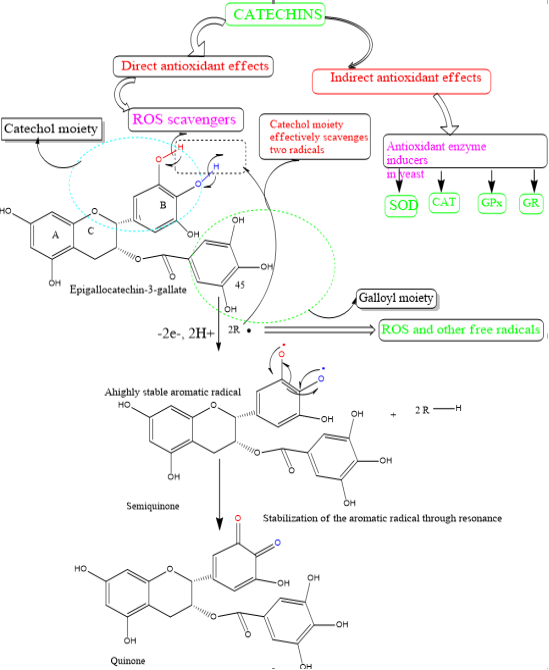
In 2, 2-diphenyl-1-picrylhydrazyl (DPPH) assay, a stable free radical, was reduced and its purple color turned yellow upon addition of SEs. The color intensity varied with the antioxidant concentration and ability of the compounds in the test sample (oxidizing agent) to donate an electron against nitrogen radicals. Similar results were reported by , who noted that the DPPH, free radical changed from purple to yellow due to reduction and color loss. The color loss was proportional to the strength of the oxidizer to donate an electron against nitrogen radicals. According to , antioxidants’ capacity to donate hydrogen is hypothesized to have an impact on DPPH. In the present study, all SEs assayed showed radical scavenging activity. The lower the IC50 value, higher the antioxidant activity, and it ranged from 25.82 to 86.01 μg/mL (Table 2). The maximum IC50, was recorded in GBK006801 (25.82 μg/mL) and the minimum in GBK032096 (86.01 μg/mL). The IC50 of red GBK006801 (25.82 μg/mL) and brown variety K71S2814 (44.11 μg/mL) was significant. This can be attributed to their high content of gallated catechins such as ECG, and EGCG. The antioxidant activity of catechins differs depending on the number of hydroxyl groups attached to the structure. The more the hydroxyl groups attached, the more the protons are available for donation for free radical stabilization . EGCG (47) has eight hydroxyl sites (Figure 2), that are vital in the formation of free radicals, and radicalization reactions will produce antioxidant radicals with minimal reactivity. Of the eight hydroxyl groups, six are in the ortho position, this makes EGCG have the most vigorous antioxidant activity among all catechin monomers . The presence of proton donors in the ortho-hydroxyl group in ring B (Figure 4) creates oxidized EGCG (47), which is more stable than meta-hydroxyl . After contributing a proton, EGCG (47) creates a resonance to stabilize the antioxidant radical, which is more stable than free radicals . K71S2814 and GBK006801 showed higher antioxidant activity than ascorbic acid a pointer to high ROS scavenging index. The IC50 values obtained are within the range of those observed in a study that involved 78 grain accessions, (11.91 -1343.90 ug/ml) , and differed with that of . Most of the assayed sorghum samples had higher antioxidant activity than even the seven wild plants collected by . Generally white varieties (GBK032096 (86.01ug/ml), and KARI MUTAMA1 (84.46 ug/ml), had a lower antioxidant activity in comparison to the brown and red counterpart, which showed a correlation between pericarp color, and antioxidant activity. This was in contrary to a study by , which investigated a broad spectrum of antioxidant activities in 10 sorghum genetic resources collected from 5 different regions.
In vivo test involved oxidative stress induction with hydrogen peroxide on the finger millet derived yeast. Oxidative stress induction process induces, the formation of the intramolecular disulfide bond in Yap1, which is catalyzed in the presence of hydrogen peroxide . K71S2814, and GBK 006801 allowed better growth conditions in the presence of hydrogen peroxide (H2O2) as compared to the ascorbic acid medium (Table 4). This acts, as an indicator of their ability to inhibit disulfide bond formation and thus inhibition of cell oxidation. The antioxidant activity of these sorghum samples could be associated with their catechin composition. KARI MTAMA1, showed the least survival rates. This might be associated to their low catechin content. The excellent yeast growth samples in-treated with SEs in the presence of H2O2, can be explained by the fact that sorghum contain, polyphenolic compounds like flavonoids, phenolic acids and tannins that are excellent antioxidant. According to , availability of atoms which can donate electron to free radicals and convert them to more stable metabolites is key.
The SEs hindered cell oxidation which reduced the chances of occurrence of cell death, by internally and externally inhibiting yeast lipid oxidation or cell oxidation in H2O2 medium. Similarly, , also reported that yeast cultured on coffee infusion medium, were protected against free radicals after H2O2 treatment. This is strong evidence that SEs has strong antioxidants, as samples treated with SEs showed efficient growth in the presence of H2O2, which demonstrated that SEs in-treatment stabilizes yeast cultures improving their survival rate in presence of oxidants. This can be linked to the presence of catechins in the sorghum grains. Several studies have proven the EGCG activity as an antioxidant to suppress OS by donating hydrogen ions (H+), and stimulating endogenous antioxidant enzymes . , noted that due to its powerful reduction ability, EGCG in particular possesses a potent antioxidant effect. Yeast survival rate in the H2O2 medium varied with the SEs type (Table 4), this is due to the fact that different sorghum varieties contain variable catechin composition and content. , reported an order of EGCG > ECG > EGC > EC, based on their ability as antioxidants. In the absence of the H2O2, all the samples studied allowed better growth conditions with no side effect on yeast cells. As maximum yeast cell colonies were noted in the case of yeast samples in-treated with SEs and cultured in the absence of H2O2, which demonstrates that SEs are non-toxic. The cell viability was indicated by survival rate and there was a progressive decline in number of yeast growth cultured on oxidant medium with dilution rate, which implied that H2O2 had a deleterious effect on yeast cells. There was no single growth in the blank sample (water), in the H2O2 medium, which further affirmed the SEs antioxidant capacity. The total catechin content varied from variety to another, thus the scavenging power. Similar results were obtained by , among coffee varieties where the Arabica coffee had a significant effect on the chronological aging of the wild-type strain, while Robusta only extended the chronological lifespan.
There was a correlation between the in vivo antioxidant activity as varieties such as K71S2814, and GBK 006801 had high IC50 (Table 2) and also depicted high activity in vivo. , noted that the DPPH and ABTS reducing power of compounds is correlated to their ROS scavenging activity. Sorghum extracts stronger H2O2 inhibition, can be explained by the fact that SEs contains metabolites that hinder oxidative processes by quenching H2O2 radicals. According to phytochemicals particularly flavonoid are responsible for scavenging free radicals. Performing both intracellular and extracellular assays was advantageous as in vivo assay helped identify absorbable and transportable metabolites inside the cells. Two washing steps after the treatment with the antioxidants were included, before introducing H2O2, to distinguish the total from the intracellular effects. As shown in (Table 4), the protective effects were more evident when the cells had not been washed after the treatment with SEs. This result suggests a stronger extracellular effect for the SEs, by which the SEs antioxidants are acting directly on the H2O2. On the other hand, when the antioxidants were washed out before the H2O2 treatments, the resistance levels decreased but were clear. These results are similar to that of , who noted that protective effects of aqueous extracts of seven wild plant were more evident when the cells had not been washed after the treatment with the antioxidants. This result suggests a stronger extracellular effect for the extracts, by which the antioxidants are acting directly on the H2O2. , reported that washing out antioxidants before the H2O2 treatments, decreases the resistance levels of yeast cells to oxidants. GBK 006801 good radical scavenging activity is attributed to their higher level of gallated catechin forms such as EGCG and ECG that are generally recognized as the most potent antioxidants. EGCG has the greatest antioxidant capacity, due to presence of ortho-phenolic hydroxyl groups which are potentially in binding free radicals , as shown by the mechanism in Figure 4. This result indicates that the in vivo yeast assay allows for an efficient distinction between the intracellular and extracellular antioxidant effects and at the same time effectively test toxicity of sorghum extracts. Most of sorghum samples had higher in vivo antioxidant activity than ascorbic acid, this might be due to catechins presence. A study by , also reported that catechin antioxidant activity, is much higher than even L-ascorbic acid’s activity. This makes catechins crucial for both human health and food preservation, due to their high effectiveness at neutralizing radicals.
ROS-Reactive oxygen species, SOD-Superoxide dismutase, CAT-Catalase, GPx-Glutathione peroxidase, GR-Glutathione reductase.

Download: Download full-size image

Figure 4. Mechanism of antioxidant. activity of sorghum bicolor catechins.
5. Conclusions
This study presents the phenolic and flavonoid profile of ten sorghum varieties in Kenya and their antioxidant activity. Sorghum has the potential of being used in material storage due to its excellent antioxidant activity. Overall, GBK 006801 was found to exhibit high flavonoid, phenolic and antioxidant activity among the sorghum samples assayed. Our findings showed that the GBK 006801 and K71S2814 varieties had good in vitro and in vivo radical scavenging activity, even after being subjected to hydrogen peroxide (oxidant), suggesting their suitability for incorporation into yeast storage, especially since this cereal extracts have no side effect both to human and environment. Moreover, of the most antioxidant natural sources, sorghum has very high potential to be bred specifically to produce high levels of different phenols that can be easily concentrated by simple processes. These special sorghums have reasonable grain yields and agronomic characteristics that make them productive and economical to produce. Given that these SEs contain strong radical scavengers such as epigallocatechin gallate, and epicatechin gallate can be used to prevent rancidity, or reduce microbial spoilage in industrial food storage.
6. Recommendations
A combination of in vitro and in vivo methods are recommended for efficient and effective antioxidant screening, while coloured varieties such as brown (K71S2814) and red (GBK006801) sorghum varieties for optimal antioxidant production. In vivo assay helps to test for both antioxidant activity and toxicity of the extracts.
Abbreviations

SEs

Sorghum grain Extracts

FM

Finger Millet Derived Yeast

H2O2

Hydrogen Peroxide

EGC

Epigallocatechin

C

Catechin

CAFF

Caffeine

EC

Epicatechin

EGCG

Epigallocatechin Gallate

EGC

Epicatechin gallate

DPPH

2, 2-diphenyl-1-picrylhydrazyl

HPLC

High Performance Liquid Chromatography

Acknowledgments
We acknowledge the chemistry department research group, NRF-K, Kenya tea research institute and Maseno University for the Support offered during this research.
Author Contributions
George Maji: Conceptualization, Investigation, Resources, Writing – original draft
Jenipher Odak: Data curation, Methodology, Supervision
David Onyango: Supervision, Validation, Writing – review & editing
Chrispin Kowenje: Formal Analysis, Funding acquisition, Project administration, Supervision
Funding
It was funded by Maseno University NRF-K.
Conflicts of Interest
The authors declare no conflicts of interest.
Appendix
Appendix I: Preparation of Finger Millet (Eleusine coracana) Malt
The finger millet (Eleusine coracana), grains were sorted to remove extraneous matter. 1Kg of the grains were steeped under distilled water in a domestic plastic container for 2 days, drained and air rested for 3hrs. 1 Kg of grain sample was spread on pre-wetted fresh banana leaves and covered with pre-wetted banana leaves and allowed to sprout at room temperature for 96 h. The grains were turned at 24-h intervals to avoid excessive malting and distilled water sprinkled twice (in the morning and evening). The malted finger millet was sundried for 2 days and milled.
Appendix II: Yeast Preparation
The yeast cells were cultivated in YPD broth medium, containing yeast extract 10g/l, peptone 20 g/l, and dextrose 20 g/l. The media was heated to boil for about 2min to allow it dissolve completely then autoclaved for 15min at 121°C and 15psi, the media was allowed to cool and then inoculated with the yeast strains (S. cerevisiae & finger millet malt derived yeast). Starter cultures comprised 50 ml YPD in Erlenmeyer flask labelled X1 and X2, sealed, each inoculated with 1g of active dry yeast (S. cerevisiae & finger millet malt derived yeast), and incubated in an orbital shaker at 30°C and 200rpm for 48hrs, which is the optimal conditions for yeast growth. Yeasts were centrifuged at 5000 rpm to obtain yeast while maintaining cellular integrity.
Appendix III: Calculation of Total Phenolic Content
Where;
WT=Dsample-D intercept×V sample×d×100Sstd×M sample×1000×WDM,sample 
D sample-is the optical density of the sample test solution
D intercept-is the optical density at the point of the best fit linear calibration
M sample-is the mass (g) of the sample test portion
V sample-is the sample extraction volume in millilitres (10ml for grain sorghum)
DM sample-is the dry matter
Figure 5. Calibration curve for total phenolic determination.

References
[1] Dusanka, J. P., Oligica, S. G., Jelana, D. P., Sunaica, D. K. Effect of yeast storage temperature and flour composition on fermentative activities of baker's yeast. Journal of Faculty of Technology, University of Novi Sad, Bulevar Cara Lazara, 2009, 1, 21000 Novi Sad, Serbia.pg 1-9.
[2] Ducksbury, C.; Stefoska-Needham, A. A. Cross-Sectional Audit of Sorghum in Selected Cereal Food Products in Australian Supermarkets. Nutrients. 2022, 14, 1821.
[3] Punia, H., Tokas, J., Malik, A., Sangwan, S. Characterization of phenolic compounds and antioxidant activity in sorghum [Sorghum bicolor (L.) moench] grains. Cereal Research Communications, 2021, 49, 343–353.
[4] Przybylska-Balcerek, A.; Frankowski, J.; Stuper-Szablewska, K. The influence of weather conditions on bioactive compound content in sorghum grain. Eur. Food Res. Technol, 2020, 246, 13–22.
[5] Choi, S. C.; Kim, J. M.; Lee, Y. G.; Kim, C. Antioxidant activity and contents of total phenolic compounds and anthocyanins according to grain colour in several varieties of Sorghum bicolor (L.) Moench. Cereal Res. Commun, 2019, 47, 228–238.
[6] Ghimire, B.-K.; Seo, J.-W.; Yu, C.-Y.; Kim, S.-H.; Chung, I.-M. Comparative Study on Seed Characteristics, Antioxidant Activity, and Total Phenolic and Flavonoid Contents in Accessions of Sorghum bicolor (L.) Moench. Molecules, 2021, 26, 3964.
[7] Xie LW, Cai S, Zhao TS, Li M, Tian Y. Green tea derivative (−)-epigallocatechin-3-gallate (EGCG) confers protection against ionizing radiation-induced intestinal epithelial cell death both in vitro and in vivo. Free Radic Biol Med, 2020; 161: 175–86;
[8] Lu, Q.; Luo, Q.; Li, J.; Wang, X.; Ban, C.; Qin, J.; Tian, Y.; Tian, X. Z.; Chen, X. Evaluation of the chemical composition, bioactive substance, gas production, and rumen fermentation parameters of four types of distiller’s grains. Molecules, 2022, 27, 613.
[9] Granato, D.; Shahidi, F.; Wrolstad, R.; Kilmartin, P.; Melton, L. D.; Hidalgo, F. J.; Ismail, A. B. Antioxidant activity, total phenolics and flavonoids contents: Should we ban in vitro screening methods? Food Chem, 2018, 264, 471–475.
[10] Pontieri, P.; Troisi, J.; Calcagnile, M.; Bean, S. R.; Tilley, M.; Aramouni, F.; Boffa, A.; Pepe, G.; Campiglia, P.; Del Giudice, F. Chemical Composition, Fatty Acid and Mineral Content of Food-Grade White, Red and Black Sorghum Varieties Grown in the Mediterranean Environment. Foods, 2022, 11, 436.
[11] Devi, P. S.; Saravanakumar, M.; Mohandas, S. The effects of temperature and pH on stability of anthocyanins from red sorghum (Sorghum bicolour L.) bran. Afr. J. Food Sci. 2012, 6, 567–573.
[12] Akogou, F. U. G., Kayodé, A. P. P., den Besten, H. M. W., Linnemann, A. R., & Fogliano, V. Effects of processing and storage on the stability of the red biocolorant apigeninidin from sorghum. LWT - Food Science and Technology, 2018), 90, 592-597.
[13] Vuolo, M. M., Lima, V. S. and Maróstica Junior, M. R. (2019) Phenolic Compounds. In: Campos, M. R. S., Ed., Bioactive Compounds, Elsevier, 33-50.
[14] Beslo, D.; Golubi´c, N.; Rastija, V.; Agi´c, D.; Karnas, M.; Subari´c, D.; Luci´c, B. Antioxidant activity, metabolism, and bioavailability of polyphenols in the diet of animals. Antioxidants, 2023, 12, 1141.
[15] Yang, L., Allred, K. F., Geera, B., Allred, C. D., Awika, J. M. Sorghum phenolics demonstrate estrogenic action and induce apoptosis in nonmalignant colonocytes. Nutrition and Cancer, 2012, 64(3), 419–427.
[16] Morrissey, P. A., & O’Brien, N. M. Dietary antioxidants in health and disease. International Dairy Journal, 1998, 8, 463–472.
[17] Moskovitz J., K. A. Yim, and P. B. Chock. “Free radicals and disease,” Archives of Biochemistry and Biophysics, vol. 2002, 397, no. 2, pp. 354–359.
[18] Moure, A., Cruz, J. M., Franco, D., Dominguez, J. M., Sineiro, J., & Dominguez, H.. Natural antioxidants from residual sources. Food Chemistry, 2001, 72, 145–171.
[19] Biparva, P.; Ehsani, M.; Hadjmohammadi, M. R. Dispersive liquid–liquid microextraction using extraction solvents lighter than water combined with high phigh-performanced chromatography for determination of synthetic antioxidants in fruit juice samples. J. Food Compos. Anal. 2012, 27, 87–94.
[20] Costa, L. M.; Moura, N. F.; Marangoni, C.; Mendes, C. E.; Teixeira, A. O. Atividade antioxidante de pimentas do gênero Capsicum. Ciência Tecnol. Aliment. 2010, 30, 51–59.
[21] Makanjuola, S. B. L.; Ogundaini, A. O.; Ajonuma, L. C.; Dosunmu, A. Apigenin and apigeninidin isolates from the Sorghum bicolor leaf targets inflammation via cyclo-oxygenase-2 and prostaglandin-E2 blockade. Int. J. Rheum. Dis. 2018, 21, 1487–1495.
[22] Ziółkiewicz, A.; Kasprzak-Drozd, K.; Wójtowicz, A.; Oniszczuk, T.; Gancarz, M.; Kowalska, I.; Mołdoch, J.; Kondracka, A.; Oniszczuk, A. 2023. The Effect of in Vitro Digestion on Polyphenolic Compounds and Antioxidant Properties of Sorghum (Sorghum bicolor (L.) Moench) and Sorghum-Enriched Pasta. Molecules, 28, 1706.
[23] Omotayo M. Adetayo, Ogundare C. Oyinlade, Salau Shukurat Abiodun and Adenekan Sunday. In-vitro antioxidant, antiglycation and anti-lipid peroxidation activities of sorghum bicolor methanolic leaf sheath extract. (2021).
[24] Naeem, Z, Jabeen, K, Saeed M. K., Iqbal. S., Javad. S. Ochratoxin detoxification and antioxidant efficacy of amaranthus viridis and sorghum halepense applied ecology and environmentalresearch. 2022, 21(1): 393407
[25] Ghinea, I. O.; Ionica Mihaila, M. D.; Blaga, G.-V.; Avramescu, S. M.; Cudalbeanu, M.; Isticioaia, S.-F.; Dinica, R. M.; Furdui, B. HPLC-DAD. Polyphenolic Profiling and Antioxidant Activities of Sorghum bicolor during Germination. Agronomy, 2021, 11, 417.
[26] Kilel, E. C; Faraj, A. K; Wanyoko, J. K; Wachira, F. N; Mwingirwa, V. Green tea from purple leaf colored tea clones in Kenya – their quality characteristics.
[27] Gonzales. M, G. K. Villena, A. A. Kitazono. Evaluation of the antioxidant activities of aqueous extracts from seven wild plants from the Andes using an in vivo yeast assay, Results in Chemistry (2021).
[28] Dykes, L.; Rooney, L.; Waniska, R.; Rooney, W. 2005. Phenolic Compounds and Antioxidant Activity of Sorghum Grains of Varying Genotypes. J. Agric. Food Chem. 2005, 53, 6813–6818.
[29] Mawouma, S.; Condurache, N. N.; Turturic ˘a, M.; Constantin, O. E.; Croitoru, C.; Rapeanu, G. Chemical Composition and Antioxidant Profile of Sorghum (Sorghum bicolor (L.) Moench) and Pearl Millet (Pennisetum glaucum (L.) R.Br.). 2022. Grains Cultivated in the Far-North Region of Cameroon. Foods 2022, 11, 2026.
[30] Bouargalne, Y.; Ben Mrid, R.; Bouchmaa, N.; Zouaoui, N.; Benmrid, B.; Kchikich, A.; El Omari, R.; Kabach, I.; Mohamed, N. Genetic diversity for agromorphological traits, phytochemical profile, and antioxidant activity in Moroccan sorghum ecotypes. Sci. Rep. 2022, 12, 5895.
[31] Xiong, Y., Zhang, P., Johnson, S., Luo, J. & Fang, Z. 2020. Comparison of the phenolic contents, antioxidant activity and volatile compounds of different sorghum varieties during tea processing. Journal of the Science of Food and Agriculture, 100 (3), pp. 978-985.
[32] Shukla, S., Lohani, U. C., Shahi, N. C., & Dubey, A. Extraction of natural pigments from red sorghum (Sorghum bicolor) husk by ultrasound and microwave assisted extraction: A comparative study through response surface analysis. Journal of food process engineering, 2022, e14130.
[33] Verma B, Huel P and Chibbar R, Phenolic content and antioxidant properties of bran in 51 wheat cultivars. Cereal Chem 85: 544–549 (2008).
[34] Baumann, J.; Wurn, G.; Bruchlausen, F. V. Prostaglandin synthetase inhibiting O2 radical scavenging properties of some flavonoids and related phenolic compounds. Deutsche Pharmakologische Gesellschaft abstracts of the 20th spring meeting, Naunyn Schmiedebergs abstract no: R27 cited. Arch. Pharmacol. 1979, 307, R1–R77.
[35] Reddyvari H, Govatati S, Matha SK, Korla SV, Malempati S, Pasupuleti SR, Bhanoori M, Nallanchakravarthula V. Therapeutic effect of green tea extract on alcohol induced hepatic mitochondrial DNA damage in albino wistar rats. J Adv Res; 2017, 8: 289–95;
[36] Fred K. O, Fazle E, Eric Banan-Mwine D, Su-Jung Y, Hun J. H, Joong-Hark, Sang-Ik H, and Deog-Hwan O. Flavonoids in Decorticated Sorghum Grains Exert Antioxidant, Antidiabetic and Antiobesity Activities, 2020.
[37] Seo, J. W.; Ham, D. Y.; Lee, J. G.; Kim, N. Y.; Kim, M. J.; Yu, C. Y.; Seong, E. S. Antioxidant Activity, Phenolic Content, and Antioxidant Gene Expression in Genetic Resources of Sorghum Collected from Australia, Former Soviet Union, USA, Sudan and Guadeloupe. Agronomy 2023, 13, 1698.
[38] Jadwiga Czachor, Michał Miłek, Sabina Galiniak, Karolina St˛ epie´n, Małgorzata D˙ zugan and MateuszMoło. 2020. Coffee Extends Yeast Chronological Lifespan through Antioxidant Properties.
[39] Phaniendra A, Jestadi DB & Periyasamy L. Free radicals: properties, sources, targets, and their implication in various diseases. Indian J. Clin. Biochem., 2015, 30(1): 11–26.
[40] Abdel-Moneim A, El-Senousy WM, Abdel-Latif M, Khalil RG. 2018. Association between antioxidant enzyme activities and Enterovirus-infected type 1 diabetic children. Med Princ Pract; 27: 86–91;
[41] Lidya Cahyo Bawono, Miski Aghnia Khairinisa, Supat Jiranusornkul, Jutti Levita. 2023. The role of catechins of Camellia sinensis leaves in modulating antioxidant enzymes: A review and case study. Journal of Applied Pharmaceutical Science Vol. 13(12), pp 052-065,
[42] Rashool Ayesham, Chinanu Chidi, Sophie Regaut, Symone Carty, Chirisine Soubra-Ghaoui, Richa Chandra. Anovel combinatorial approach integrating experimental and computational analysis of antioxidant activity: Evaluating catechin and L-ascorbic acid in serum. 2025.
Cite This Article
  • APA Style

    Maji, G., Odak, J., Onyango, D., Kowenje, C. (2026). Sorghum (Sorghum bicolor) Grain Antioxidant Scavenging Activity on Stored Finger Millet (Eleusine coracana) Derived Yeast Under Laboratory Conditions. Science Journal of Chemistry, 14(3), 95-108. https://doi.org/10.11648/j.sjc.20261403.12

    Copy | Download

    ACS Style

    Maji, G.; Odak, J.; Onyango, D.; Kowenje, C. Sorghum (Sorghum bicolor) Grain Antioxidant Scavenging Activity on Stored Finger Millet (Eleusine coracana) Derived Yeast Under Laboratory Conditions. Sci. J. Chem. 2026, 14(3), 95-108. doi: 10.11648/j.sjc.20261403.12

    Copy | Download

    AMA Style

    Maji G, Odak J, Onyango D, Kowenje C. Sorghum (Sorghum bicolor) Grain Antioxidant Scavenging Activity on Stored Finger Millet (Eleusine coracana) Derived Yeast Under Laboratory Conditions. Sci J Chem. 2026;14(3):95-108. doi: 10.11648/j.sjc.20261403.12

    Copy | Download

  • @article{10.11648/j.sjc.20261403.12,
      author = {George Maji and Jenipher Odak and David Onyango and Chrispin Kowenje},
      title = {Sorghum (Sorghum bicolor) Grain Antioxidant Scavenging Activity on Stored Finger Millet (Eleusine coracana) Derived Yeast Under Laboratory Conditions},
      journal = {Science Journal of Chemistry},
      volume = {14},
      number = {3},
      pages = {95-108},
      doi = {10.11648/j.sjc.20261403.12},
      url = {https://doi.org/10.11648/j.sjc.20261403.12},
      eprint = {https://article.sciencepublishinggroup.com/pdf/10.11648.j.sjc.20261403.12},
      abstract = {There is increased interest in the study and application of finger millet derived yeast (FM), especially in bioethanol industry. Several studies have shown the vitality of this yeast, but its preservation has been a challenge hindering its wider application. Natural antioxidant sources such as sorghum are promising non-toxic preservatives with strong radical scavenging activity. However, it is unknown whether its antioxidants have no side effects on FM, or can extend its shelf life. This study aimed at analysing sorghum grain extracts (SEs) antioxidant activity in terms of their antioxidant content and activity to preserve these yeasts, in small or large quantities for laboratory or industrial applications. Acombination of in vitro and in vivo methods were used to determine the antioxidant potential of SEs, and high performance liquid chromatography for compound characterization. The highest total phenolic content was recorded in K71S2814 (76.25) and lowest in KARI MATIMA1 (43.57) in mgGAE /100gdm, and that of total flavonoid content was reported in GBK006801 (37.31), and lowest in K15 OCHUTI (10.14) in mgCE /100gdm. The highest radical scavenging activity (IC50) was reported in GBK006801 (25.82ug/ml), and lowest in GBK032096 (86.01ug/ml), GBK006801 (25.82), (Severe≥5density) and K71S2814 (44.11), (Severe≥5density) had higher in vitro and in vivo antioxidant activity than ASCORBIC ACID (46.25) (moderate survival ≤2.5density). Epigallocatechin gallate (0.002939-0.035139%), and epicatechin gallate (0.007525-0.251397%) very powerful antioxidants than ascorbic acid were isolated. Based on the study, it is concluded that sorghum is non-toxic, with antioxidants that can significantly extend FM shelf life.},
     year = {2026}
    }
    

    Copy | Download

  • TY  - JOUR
    T1  - Sorghum (Sorghum bicolor) Grain Antioxidant Scavenging Activity on Stored Finger Millet (Eleusine coracana) Derived Yeast Under Laboratory Conditions
    AU  - George Maji
    AU  - Jenipher Odak
    AU  - David Onyango
    AU  - Chrispin Kowenje
    Y1  - 2026/06/02
    PY  - 2026
    N1  - https://doi.org/10.11648/j.sjc.20261403.12
    DO  - 10.11648/j.sjc.20261403.12
    T2  - Science Journal of Chemistry
    JF  - Science Journal of Chemistry
    JO  - Science Journal of Chemistry
    SP  - 95
    EP  - 108
    PB  - Science Publishing Group
    SN  - 2330-099X
    UR  - https://doi.org/10.11648/j.sjc.20261403.12
    AB  - There is increased interest in the study and application of finger millet derived yeast (FM), especially in bioethanol industry. Several studies have shown the vitality of this yeast, but its preservation has been a challenge hindering its wider application. Natural antioxidant sources such as sorghum are promising non-toxic preservatives with strong radical scavenging activity. However, it is unknown whether its antioxidants have no side effects on FM, or can extend its shelf life. This study aimed at analysing sorghum grain extracts (SEs) antioxidant activity in terms of their antioxidant content and activity to preserve these yeasts, in small or large quantities for laboratory or industrial applications. Acombination of in vitro and in vivo methods were used to determine the antioxidant potential of SEs, and high performance liquid chromatography for compound characterization. The highest total phenolic content was recorded in K71S2814 (76.25) and lowest in KARI MATIMA1 (43.57) in mgGAE /100gdm, and that of total flavonoid content was reported in GBK006801 (37.31), and lowest in K15 OCHUTI (10.14) in mgCE /100gdm. The highest radical scavenging activity (IC50) was reported in GBK006801 (25.82ug/ml), and lowest in GBK032096 (86.01ug/ml), GBK006801 (25.82), (Severe≥5density) and K71S2814 (44.11), (Severe≥5density) had higher in vitro and in vivo antioxidant activity than ASCORBIC ACID (46.25) (moderate survival ≤2.5density). Epigallocatechin gallate (0.002939-0.035139%), and epicatechin gallate (0.007525-0.251397%) very powerful antioxidants than ascorbic acid were isolated. Based on the study, it is concluded that sorghum is non-toxic, with antioxidants that can significantly extend FM shelf life.
    VL  - 14
    IS  - 3
    ER  - 

    Copy | Download

Author Information
  • Abstract
  • Keywords
  • Document Sections

    1. 1. Introduction
    2. 2. Experimental
    3. 3. Results
    4. 4. Discussion
    5. 5. Conclusions
    6. 6. Recommendations
    Show Full Outline
  • Abbreviations
  • Acknowledgments
  • Author Contributions
  • Funding
  • Conflicts of Interest
  • Appendix
  • References
  • Cite This Article
  • Author Information